







What is the story about?
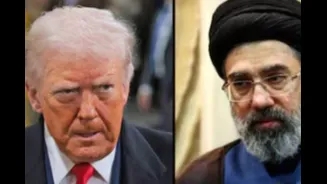
US President Donald Trump has hit back at critics questioning his approach towards Iran, branding them “fools”, “jealous”, “stupid” and “bad people” after facing criticism that his latest diplomatic agreement with Tehran was not tough enough.
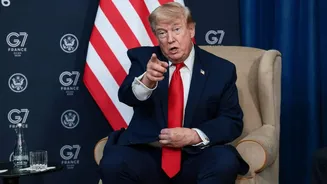
Trump defended his Iran policy in a post on Truth Social, arguing that those attacking the deal failed to recognise the pressure his administration had placed on Tehran. He rejected claims that the agreement represented a concession to Iran, insisting that his approach had delivered results without escalating the conflict further.
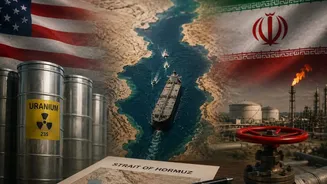
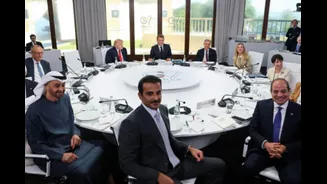
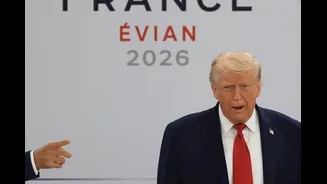
The statement came after Trump signed a memorandum of understanding aimed at extending a ceasefire and opening the way for broader negotiations over Iran’s nuclear programme. The agreement, signed during a dinner outside Paris, was presented by the administration as a step towards ending a conflict that had shaken regional security and global markets.
However, the deal has triggered criticism from several quarters in the United States, including some voices traditionally supportive of Trump’s foreign policy. Critics argue that Washington made significant concessions while failing to secure some of its original objectives, particularly regarding Iran’s nuclear capabilities and regional influence.
Some US media outlets reported that opponents of the agreement believe Tehran gained financial and strategic advantages from the arrangement. Critics have pointed to provisions involving economic relief and reconstruction assistance, arguing that Iran could emerge from the conflict in a stronger position.
Even Fox News, often viewed as favourable towards Trump, highlighted concerns from analysts who said the agreement could provide Iran with major financial benefits without requiring a complete rollback of its nuclear programme.
Trump, however, has defended the deal as part of his broader strategy of using pressure and negotiations together. He has repeatedly argued that his administration’s willingness to negotiate does not indicate weakness, but rather reflects a focus on achieving outcomes without prolonged military confrontation.
The controversy has centred on whether the agreement fulfils the objectives Trump outlined before and during the conflict. Critics say the deal falls short of demands that Iran dismantle its nuclear infrastructure and significantly reduce its regional activities.
The Wall Street Journal described the agreement as one of the biggest foreign policy gambles of Trump’s second term, warning that Iran policy hardliners could oppose what they see as excessive concessions.
Other critics have argued that the agreement allows Iran to recover economically after the conflict. The New York Times reported that Tehran could emerge from the confrontation with significant gains, suggesting the deal looked far from a surrender document and may strengthen Iran’s leadership.
The newspaper also raised concerns that Iran could reassess its nuclear strategy after the conflict, particularly as sanctions relief and renewed oil revenues could provide Tehran with additional resources.
Trump’s supporters have rejected such criticism, arguing that preventing a wider war and creating a framework for negotiations represent diplomatic successes. They maintain that the president’s approach combines military pressure with diplomacy, rather than relying solely on confrontation.
The agreement is not a final settlement on Iran’s nuclear programme. Instead, it creates a pathway for further talks aimed at reaching a longer-term arrangement over Tehran’s nuclear activities.
Trump’s return to Washington is expected to intensify the political debate, with both supporters and opponents closely watching whether the agreement delivers the results promised by the administration or fuels concerns that Iran received too much in return.
As criticism continues, Trump has made clear that he views the backlash as politically motivated, dismissing opponents as unwilling to acknowledge what he describes as a major diplomatic achievement.
With inputs from agencies
Trump defended his Iran policy in a post on Truth Social, arguing that those attacking the deal failed to recognise the pressure his administration had placed on Tehran. He rejected claims that the agreement represented a concession to Iran, insisting that his approach had delivered results without escalating the conflict further.
The statement came after Trump signed a memorandum of understanding aimed at extending a ceasefire and opening the way for broader negotiations over Iran’s nuclear programme. The agreement, signed during a dinner outside Paris, was presented by the administration as a step towards ending a conflict that had shaken regional security and global markets.
However, the deal has triggered criticism from several quarters in the United States, including some voices traditionally supportive of Trump’s foreign policy. Critics argue that Washington made significant concessions while failing to secure some of its original objectives, particularly regarding Iran’s nuclear capabilities and regional influence.
Some US media outlets reported that opponents of the agreement believe Tehran gained financial and strategic advantages from the arrangement. Critics have pointed to provisions involving economic relief and reconstruction assistance, arguing that Iran could emerge from the conflict in a stronger position.
Even Fox News, often viewed as favourable towards Trump, highlighted concerns from analysts who said the agreement could provide Iran with major financial benefits without requiring a complete rollback of its nuclear programme.
Trump, however, has defended the deal as part of his broader strategy of using pressure and negotiations together. He has repeatedly argued that his administration’s willingness to negotiate does not indicate weakness, but rather reflects a focus on achieving outcomes without prolonged military confrontation.
The controversy has centred on whether the agreement fulfils the objectives Trump outlined before and during the conflict. Critics say the deal falls short of demands that Iran dismantle its nuclear infrastructure and significantly reduce its regional activities.
The Wall Street Journal described the agreement as one of the biggest foreign policy gambles of Trump’s second term, warning that Iran policy hardliners could oppose what they see as excessive concessions.
Other critics have argued that the agreement allows Iran to recover economically after the conflict. The New York Times reported that Tehran could emerge from the confrontation with significant gains, suggesting the deal looked far from a surrender document and may strengthen Iran’s leadership.
The newspaper also raised concerns that Iran could reassess its nuclear strategy after the conflict, particularly as sanctions relief and renewed oil revenues could provide Tehran with additional resources.
Trump’s supporters have rejected such criticism, arguing that preventing a wider war and creating a framework for negotiations represent diplomatic successes. They maintain that the president’s approach combines military pressure with diplomacy, rather than relying solely on confrontation.
The agreement is not a final settlement on Iran’s nuclear programme. Instead, it creates a pathway for further talks aimed at reaching a longer-term arrangement over Tehran’s nuclear activities.
Trump’s return to Washington is expected to intensify the political debate, with both supporters and opponents closely watching whether the agreement delivers the results promised by the administration or fuels concerns that Iran received too much in return.
As criticism continues, Trump has made clear that he views the backlash as politically motivated, dismissing opponents as unwilling to acknowledge what he describes as a major diplomatic achievement.
With inputs from agencies