







What is the story about?
Balochistan, Pakistan’s most restive province, is on edge again as a gas pipeline is blown up in a fresh attack, disrupting supply to key regions.
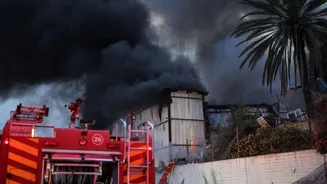
A main gas pipeline was blown up on the outskirts of Quetta, the capital of Balochistan, local officials confirmed, according to Reuters. The 18-inch-diameter pipeline is part of a key supply network feeding multiple districts across the province.
Following the blast, gas supply was suspended in several parts of Quetta and at least five other districts, according to a spokesperson for the Sui Southern Gas Company (SSGC). Technical teams were dispatched immediately to the site.
Officials said the teams managed to close the main valve and contain the fire, preventing further damage. However, supply disruptions continued as repair work began.
An 18-inch pipeline of SSGC was damaged near the Western Bypass in the Harnai-Akhtarabad area. According to reports citing the Bomb Disposal Squad, preliminary findings suggest the incident may be a case of sabotage.
No group has so far claimed responsibility for the explosion.
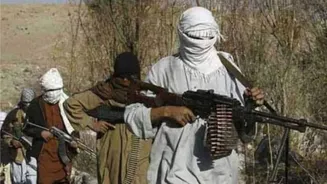
The region has long witnessed repeated attacks on gas pipelines, railways, and other infrastructure. Security officials say both separatist insurgent groups and Islamist militants operate in parts of the province.
Baloch nationalist groups have, in past incidents, targeted state infrastructure, alleging long-standing political and economic marginalisation and disputes over resource distribution in the mineral-rich province.
The latest incident comes amid heightened regional sensitivities, as Pakistan navigates internal security challenges alongside its regional diplomatic positioning, including its engagement on Iran-related issues. The unrest in Balochistan continues to add pressure along its western frontier, including the border with Taliban-ruled Afghanistan.
Rights groups have long raised concerns over the security situation in Pakistan, particularly in conflict-affected areas like Balochistan and Khyber Pakhtunkhwa.
Pakistan has faced allegations of enforced disappearances and extrajudicial actions against ethnic Baloch, raising serious human rights concerns. Authorities have consistently denied these claims, even as the issue remains closely linked to the ongoing insurgency in the region.
Balochistan remains one of Pakistan’s most volatile regions, shaped by overlapping insurgency, counterinsurgency operations, and long-standing political grievances.
The core divide remains between the state and Baloch nationalist groups, who allege political and economic marginalisation.
A main gas pipeline was blown up on the outskirts of Quetta, the capital of Balochistan, local officials confirmed, according to Reuters. The 18-inch-diameter pipeline is part of a key supply network feeding multiple districts across the province.
Supply disrupted across Quetta and nearby districts
Following the blast, gas supply was suspended in several parts of Quetta and at least five other districts, according to a spokesperson for the Sui Southern Gas Company (SSGC). Technical teams were dispatched immediately to the site.
Officials said the teams managed to close the main valve and contain the fire, preventing further damage. However, supply disruptions continued as repair work began.
Sabotage suspected as probe begins
An 18-inch pipeline of SSGC was damaged near the Western Bypass in the Harnai-Akhtarabad area. According to reports citing the Bomb Disposal Squad, preliminary findings suggest the incident may be a case of sabotage.
No group has so far claimed responsibility for the explosion.
Recurring attacks on energy infrastructure
The region has long witnessed repeated attacks on gas pipelines, railways, and other infrastructure. Security officials say both separatist insurgent groups and Islamist militants operate in parts of the province.
Baloch nationalist groups have, in past incidents, targeted state infrastructure, alleging long-standing political and economic marginalisation and disputes over resource distribution in the mineral-rich province.
Broader regional and security backdrop
The latest incident comes amid heightened regional sensitivities, as Pakistan navigates internal security challenges alongside its regional diplomatic positioning, including its engagement on Iran-related issues. The unrest in Balochistan continues to add pressure along its western frontier, including the border with Taliban-ruled Afghanistan.
Human rights concerns in context
Rights groups have long raised concerns over the security situation in Pakistan, particularly in conflict-affected areas like Balochistan and Khyber Pakhtunkhwa.
Pakistan has faced allegations of enforced disappearances and extrajudicial actions against ethnic Baloch, raising serious human rights concerns. Authorities have consistently denied these claims, even as the issue remains closely linked to the ongoing insurgency in the region.
Persistent instability in Balochistan
Balochistan remains one of Pakistan’s most volatile regions, shaped by overlapping insurgency, counterinsurgency operations, and long-standing political grievances.
The core divide remains between the state and Baloch nationalist groups, who allege political and economic marginalisation.