








What is the story about?
As Bangladesh has secured a reduced 19 per cent tariff rate with the United States under a trade agreement announced on Monday, Dhaka will open its dairy, beef and poultry markets to American exporters. Certain textiles and garments manufactured using US-produced cotton and man-made fibre will also receive tariff exemptions in the US market.
According to the joint statement, the agreement provides significant relief to Bangladesh’s export-oriented economy, particularly the ready-made garments sector, which has been under pressure from higher tariff proposals.
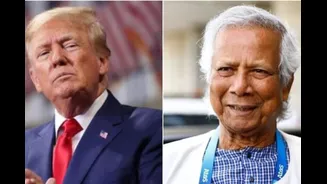
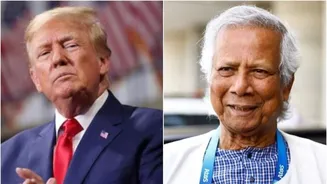
Muhammad Yunus, chief adviser of Bangladesh’s interim government, said Washington had committed to establishing a mechanism that would allow selected textile and apparel goods from Bangladesh made using US raw materials to receive zero reciprocal tariffs. He said the agreement followed nine months of negotiations that began in April last year.
The ready-made garments industry accounts for more than 80 percent of Bangladesh’s total export earnings, employs around four million people and contributes about 10 percent to the country’s gross domestic product.
The White House confirmed that Bangladesh would offer preferential market access to a broad range of US industrial and agricultural products. These include chemicals, medical devices, machinery, motor vehicles and parts, soy products and dairy goods, beef, poultry, tree nuts and fruit.
The agreement also provides for Bangladesh to reduce tariffs to zero on several American farm and food products once it comes into force. Items covered include poultry, pork, seafood, rice, corn and cereal grains.
Washington said Bangladesh would ease non-tariff barriers by accepting US vehicle safety and emissions standards, recognising US Food and Drug Administration certifications, and lifting import restrictions on remanufactured goods.
Both sides also highlighted recent and upcoming commercial deals, including aircraft procurement, around USD 3.5 billion in purchases of US agricultural products, and an estimated USD 15 billion in US energy product purchases over 15 years.
Bangladesh has also pledged to uphold internationally recognised labour rights and strengthen environmental protections as part of the agreement.
Bangladesh had earlier secured a reduction in US tariffs to 20 per cent in August, down from the initially proposed 37 per cent. With the latest cut to 19 per cent, the country is now positioned to compete closely with India, which faces an 18 per cent tariff rate, reduced from 50 per cent.
According to the joint statement, the agreement provides significant relief to Bangladesh’s export-oriented economy, particularly the ready-made garments sector, which has been under pressure from higher tariff proposals.
Zero tariffs for select textile exports
Muhammad Yunus, chief adviser of Bangladesh’s interim government, said Washington had committed to establishing a mechanism that would allow selected textile and apparel goods from Bangladesh made using US raw materials to receive zero reciprocal tariffs. He said the agreement followed nine months of negotiations that began in April last year.
Garments sector key to Bangladesh’s economy
The ready-made garments industry accounts for more than 80 percent of Bangladesh’s total export earnings, employs around four million people and contributes about 10 percent to the country’s gross domestic product.
Preferential access for US goods
The White House confirmed that Bangladesh would offer preferential market access to a broad range of US industrial and agricultural products. These include chemicals, medical devices, machinery, motor vehicles and parts, soy products and dairy goods, beef, poultry, tree nuts and fruit.
Farm and food tariffs to be cut to zero
The agreement also provides for Bangladesh to reduce tariffs to zero on several American farm and food products once it comes into force. Items covered include poultry, pork, seafood, rice, corn and cereal grains.
Washington said Bangladesh would ease non-tariff barriers by accepting US vehicle safety and emissions standards, recognising US Food and Drug Administration certifications, and lifting import restrictions on remanufactured goods.
Commercial deals and energy purchases
Both sides also highlighted recent and upcoming commercial deals, including aircraft procurement, around USD 3.5 billion in purchases of US agricultural products, and an estimated USD 15 billion in US energy product purchases over 15 years.
Bangladesh has also pledged to uphold internationally recognised labour rights and strengthen environmental protections as part of the agreement.
Bangladesh had earlier secured a reduction in US tariffs to 20 per cent in August, down from the initially proposed 37 per cent. With the latest cut to 19 per cent, the country is now positioned to compete closely with India, which faces an 18 per cent tariff rate, reduced from 50 per cent.