







Spotify has added a range of new features and updates to its platform, and one of the most attention-grabbing additions is the ability for users to book tickets for their next show. This is the audio platform’s new bid to keep users engaged and encourage more streaming activity, ultimately helping them become eligible for “Top Fan” status.
Spotify has not revealed the exact criteria for determining a “real fan,” but it has stated that it will use signals such as streams, shares, and other in-app activity. However, it also noted that it will monitor engagement to ensure users do not manipulate these metrics using bots or AI agents.
Eligible fans, according to Spotify, will receive an email and an in-app notification allowing them to purchase up to two tickets. The company said that eligible users aged 18 and above in the US will get a chance to buy tickets during a dedicated fan-only window lasting around a day. Spotify added that users who receive the offer can purchase tickets for any show on the tour, with flexibility in selecting date, location, and seats, subject to availability.
New Audiobook Creation Tool
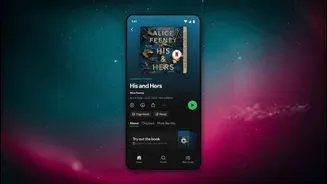
Spotify has also introduced a new ElevenLabs-powered AI tool for self-publishing audiobooks through its Spotify for Authors platform. The company announced at its Investor Day event that the feature will launch in beta this June on an invite-only basis, initially supporting only the English language.
The AI-powered audiobook generation tool will not be tied to any exclusive contracts, meaning creators may publish AI-generated audiobooks anywhere. This builds on Spotify’s previous partnership with ElevenLabs, which allowed writers to submit audiobooks created using AI-generated voices.
The audio streaming platform also has an existing partnership with Google Play Books to support digitally narrated content. Now, users will be able to publish audiobooks in more than 10 additional languages, including French, Canadian French, German, Dutch, Latin American Spanish, Swedish, Finnish, Icelandic, Danish, and Norwegian. Spotify will also expand its Audiobook+ plans this year to include higher listening limits and introduce new options for students and families.
AI-Powered Q&A and Briefing Generation
Spotify has introduced a personal podcast feature that uses AI to generate podcasts based on user ideas or custom prompts. Earlier this month, the company released a GitHub-based command-line tool for Claude Code and Codex, allowing users to create podcasts and save them to their Spotify library. Soon, users will be able to generate podcasts directly within the Spotify app and schedule daily or weekly briefings on topics of recurring interest.
Users can make requests such as, “Share my daily city updates and tell me about local concerts from artists I love,” or “Help me understand economics in five minutes.” These prompts generate personalised podcasts tailored to user preferences. Users can also add links, PDFs, and text inputs, and choose a custom voice for narration. The company appears to be taking inspiration from tools like NotebookLM.
New Desktop Application
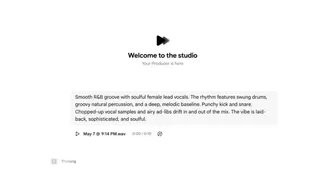
Spotify has also launched a dedicated desktop application called Studio by Spotify Labs, which can connect with users’ email and calendar accounts to create personalised briefings. In addition, the company is rolling out an AI-powered Q&A feature for premium mobile users in the US, Sweden, and Ireland. With this feature, users can ask questions about the podcast episode they are currently listening to.
Spotify is also making its creator sponsorship tools available for managing brand partnerships, while introducing new ways for creators to offer subscriptions that unlock exclusive content and experiences. The company’s broader goal is to add more personal context to podcast generation and engagement tools.
The new application also includes agent support that can actively browse the internet and fetch relevant information to create personalised podcasts. Following the growing popularity of Google’s NotebookLM, which enabled podcast generation from selected source material and daily audio updates, Spotify’s new features take a similar direction.
These launches highlight Spotify’s push toward deeper integration of AI-driven content creation, personalised audio experiences, and interactive podcasting tools within its platform.