



What is the story about?
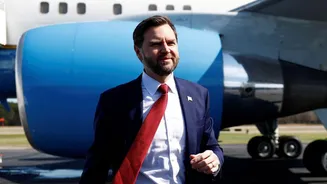
US Vice President JD Vance has drawn attention to Pakistan's media freedom record while explaining why the Trump administration delayed releasing the full text of a recently signed US-Iran peace agreement.
Speaking on the Interesting Times podcast hosted by Ross Douthat, Vance said that the administration had intended to publish the agreement earlier but suggested that differences in transparency among countries (Pakistan and Qatar) involved in the mediation process contributed to the delay.
The remarks came amid criticism from Democrats and transparency advocates, who questioned why the administration withheld the text of the Memorandum of Understanding (MoU) for two days after President Donald Trump announced the interim agreement on June 15.
During the podcast, Vance said that the delay was partly the result of differing approaches to public disclosure between the US and the countries that helped facilitate discussions- Pakistan and Qatar.
"We actually wanted to get it out," Vance said. He added that countries such as Pakistan and Qatar do not have the same traditions of press freedom and public scrutiny that exist in the US under the First Amendment.
According to Vance, there was less expectation among officials involved that the agreement's text would immediately be made available for public examination.
"There isn't this expectation that the text is going to be out there for the American people to interrogate, analyse and understand for themselves," he said, adding that the administration always intended to release the document.
Vance's comments have renewed focus on Pakistan's standing in international press freedom.
Pakistan has long faced criticism from media watchdogs and human rights organisations over restrictions on journalists, pressure on media outlets and legal measures affecting freedom of expression.
The debate has also intensified following constitutional and political changes introduced in Pakistan in late 2025, which critics argue reduced institutional checks and weakened judicial oversight.
While Pakistani authorities maintain that freedom of expression is protected under the constitution, rights groups continue to raise concerns about the operating environment for journalists and independent media organisations.
The remarks came as diplomatic efforts to stabilise the West Asia gathered pace.
A ceasefire between Israel and Hezbollah was announced on Friday after renewed clashes in Lebanon threatened broader efforts to transform the temporary arrangement ending the Iran conflict into a more durable regional peace framework.
At the same time, US special envoy Steve Witkoff is travelling to Switzerland for a new round of talks with Iranian officials on a possible long-term nuclear agreement.
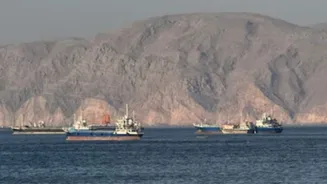
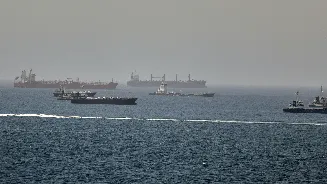
The negotiations are being closely watched by international markets and governments, particularly because of their potential impact on shipping through the Strait of Hormuz and regional security.
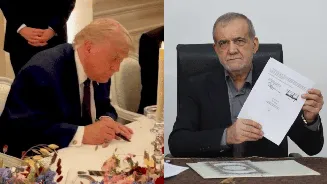
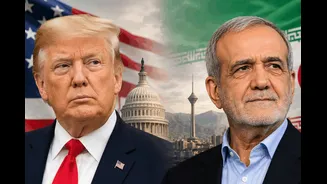
The MoU signed by US President Donald Trump and Iranian President Masoud Pezeshkian is aimed at reducing tensions and creating a framework for broader negotiations.
Speaking on the Interesting Times podcast hosted by Ross Douthat, Vance said that the administration had intended to publish the agreement earlier but suggested that differences in transparency among countries (Pakistan and Qatar) involved in the mediation process contributed to the delay.
The remarks came amid criticism from Democrats and transparency advocates, who questioned why the administration withheld the text of the Memorandum of Understanding (MoU) for two days after President Donald Trump announced the interim agreement on June 15.
JD Vance:
In the Pakistani and Qatari systems, they don’t quite have the First Amendment and freedom of the press.
Source: NYT pic.twitter.com/bp1ajruOir
— Clash Report (@clashreport) June 20, 2026
Vance points to media freedom differences
During the podcast, Vance said that the delay was partly the result of differing approaches to public disclosure between the US and the countries that helped facilitate discussions- Pakistan and Qatar.
"We actually wanted to get it out," Vance said. He added that countries such as Pakistan and Qatar do not have the same traditions of press freedom and public scrutiny that exist in the US under the First Amendment.
According to Vance, there was less expectation among officials involved that the agreement's text would immediately be made available for public examination.
"There isn't this expectation that the text is going to be out there for the American people to interrogate, analyse and understand for themselves," he said, adding that the administration always intended to release the document.
Pakistan's press freedom record under spotlight
Vance's comments have renewed focus on Pakistan's standing in international press freedom.
Pakistan has long faced criticism from media watchdogs and human rights organisations over restrictions on journalists, pressure on media outlets and legal measures affecting freedom of expression.
The debate has also intensified following constitutional and political changes introduced in Pakistan in late 2025, which critics argue reduced institutional checks and weakened judicial oversight.
While Pakistani authorities maintain that freedom of expression is protected under the constitution, rights groups continue to raise concerns about the operating environment for journalists and independent media organisations.
Diplomatic efforts continue
The remarks came as diplomatic efforts to stabilise the West Asia gathered pace.
A ceasefire between Israel and Hezbollah was announced on Friday after renewed clashes in Lebanon threatened broader efforts to transform the temporary arrangement ending the Iran conflict into a more durable regional peace framework.
At the same time, US special envoy Steve Witkoff is travelling to Switzerland for a new round of talks with Iranian officials on a possible long-term nuclear agreement.
The negotiations are being closely watched by international markets and governments, particularly because of their potential impact on shipping through the Strait of Hormuz and regional security.
The US-Iran agreement
The MoU signed by US President Donald Trump and Iranian President Masoud Pezeshkian is aimed at reducing tensions and creating a framework for broader negotiations.