



What is the story about?
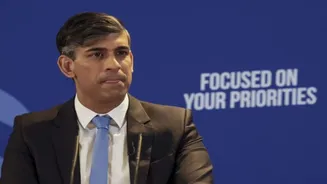
Speaking at an interactive session during the ongoing AI Impact Summit in Delhi, former UK Prime Minister Rishi Sunak said that India is well-positioned to be a leader in Artificial Intelligence (AI). He reasoned that a deep talent pool and strong digital public infrastructure support the country.
Sunak argued that as a leader, India can demonstrate AI's mass adoption and deployment in society. The former British premier also emphasised that there are three different attitudes towards artificial intelligence (AI) around the world. In India, there is "incredible optimism and trust", whereas in the West, the "overriding feeling is one of anxiety at the moment".
Sunak was speaking at a session titled 'AI for All: Reimagining Global Cooperation', which was hosted by Carnegie India in association with the Observer Research Foundation, among other partners at the summit. During the session, Sunak was asked about the lessons learned from the AI Safety Summit, a global event that took place in November 2023 at Buckinghamshire in the UK, while he was in office.
"First of all, there was this scepticism about whether you could get these politicians, leaders and all the entrepreneurs and innovators together, and whether they would understand each other," Sunak recalled. "The nice thing that came out of the summit was the creation of these AI security institutes" to help manage some of the risks technology poses, to get people reassured about them," he added.
The former prime minister noted that crucially, the debate has shifted over the years when it came to AI. "I think the AI debate has shifted from technology to strategy. From what these tools could do to what countries are choosing to do with them," Sunak said. He insisted that for political leaders, "AI can't be some specialist subject on the side", it's got to become the "central responsibility" of a government.
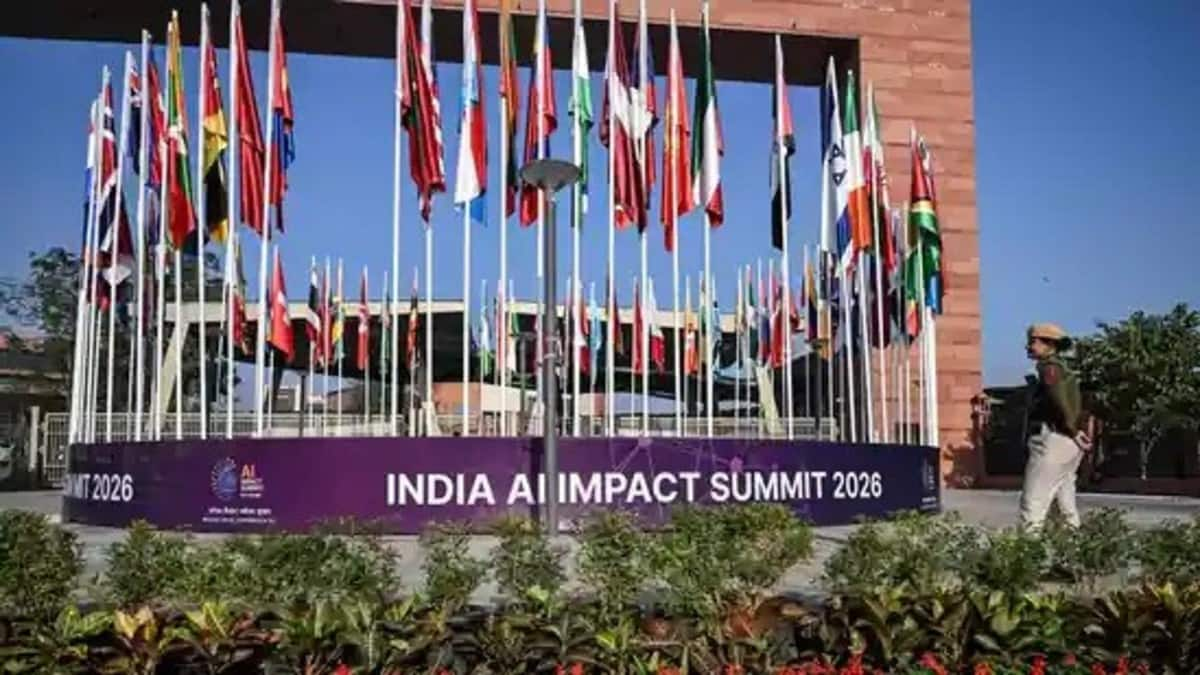
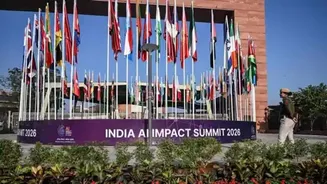
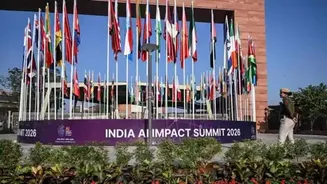
"And that's what we are seeing at this Summit, with its focus rightly on impact," Sunak said. India is hosting the AI Impact Summit 2026 from February 16-20, where a large number of world leaders, technology experts and innovators are participating.
Sunak recalled that when he left office, someone gave him a copy of a book titled 'Technology and Great Powers', which dealt with the history of great technological revolutions, and proves the thesis that even if you don't invent a technology, you could be the country that benefits from it the most. "I think India has recognised that leadership in technology doesn't just depend on inventing technology, it's about how you deploy it," he said.
"So, by focusing on mass adoption here, obviously backed by a deep talent pool, strong digital public infrastructure, and a public very supportive of the technology, I think India is well positioned to be a leader in AI and demonstrate its mass adoption and deployment in society," Sunak furthered.
The former British premier emphasised that his assertion is now reflected in how other people view it, Sunak said, "If you look at Stanford's ranking of global superpowers, India has moved into third place." It is pertinent to note that in the Stanford Global AI Vibrancy 2025 report, India was ranked third for AI competitiveness and ecosystem vibrancy.
Sunak said for India, it demonstrates that focus on adoption and deployment is working here, and "I certainly think that is the way you are going to have the most impact on the most number of people". He reiterated that there are different attitudes towards the AI world over.
"In India, there is incredible optimism and trust, whereas in the West, the overriding feeling is actually one of anxiety at the moment. And closing that confidence gap is a policy task, not just technology," he added. Sunak noted that this "battle for trust in AI" will be won or lost in the public sector.
"When citizens start to experience better healthcare, effective government services, and faster response time from the state, this debate on AI trust moves from abstract to real," he said. The former leader of the British Conservative Party urged policymakers and leaders to focus on this aspect. "If you can adopt this in your public sectors, which ultimately are a big part of our economies, and demonstrate to citizens that it will make their lives better on a day-to-day basis, I think it becomes a necessary precondition to winning people's trust and actually starting to get the benefits of it," Sunak averred.
With inputs from the agency.
Sunak argued that as a leader, India can demonstrate AI's mass adoption and deployment in society. The former British premier also emphasised that there are three different attitudes towards artificial intelligence (AI) around the world. In India, there is "incredible optimism and trust", whereas in the West, the "overriding feeling is one of anxiety at the moment".
Sunak was speaking at a session titled 'AI for All: Reimagining Global Cooperation', which was hosted by Carnegie India in association with the Observer Research Foundation, among other partners at the summit. During the session, Sunak was asked about the lessons learned from the AI Safety Summit, a global event that took place in November 2023 at Buckinghamshire in the UK, while he was in office.
"First of all, there was this scepticism about whether you could get these politicians, leaders and all the entrepreneurs and innovators together, and whether they would understand each other," Sunak recalled. "The nice thing that came out of the summit was the creation of these AI security institutes" to help manage some of the risks technology poses, to get people reassured about them," he added.
The debate over AI has shifted over the years
The former prime minister noted that crucially, the debate has shifted over the years when it came to AI. "I think the AI debate has shifted from technology to strategy. From what these tools could do to what countries are choosing to do with them," Sunak said. He insisted that for political leaders, "AI can't be some specialist subject on the side", it's got to become the "central responsibility" of a government.
"And that's what we are seeing at this Summit, with its focus rightly on impact," Sunak said. India is hosting the AI Impact Summit 2026 from February 16-20, where a large number of world leaders, technology experts and innovators are participating.
Sunak recalled that when he left office, someone gave him a copy of a book titled 'Technology and Great Powers', which dealt with the history of great technological revolutions, and proves the thesis that even if you don't invent a technology, you could be the country that benefits from it the most. "I think India has recognised that leadership in technology doesn't just depend on inventing technology, it's about how you deploy it," he said.
"So, by focusing on mass adoption here, obviously backed by a deep talent pool, strong digital public infrastructure, and a public very supportive of the technology, I think India is well positioned to be a leader in AI and demonstrate its mass adoption and deployment in society," Sunak furthered.
The former British premier emphasised that his assertion is now reflected in how other people view it, Sunak said, "If you look at Stanford's ranking of global superpowers, India has moved into third place." It is pertinent to note that in the Stanford Global AI Vibrancy 2025 report, India was ranked third for AI competitiveness and ecosystem vibrancy.
Sunak said for India, it demonstrates that focus on adoption and deployment is working here, and "I certainly think that is the way you are going to have the most impact on the most number of people". He reiterated that there are different attitudes towards the AI world over.
"In India, there is incredible optimism and trust, whereas in the West, the overriding feeling is actually one of anxiety at the moment. And closing that confidence gap is a policy task, not just technology," he added. Sunak noted that this "battle for trust in AI" will be won or lost in the public sector.
"When citizens start to experience better healthcare, effective government services, and faster response time from the state, this debate on AI trust moves from abstract to real," he said. The former leader of the British Conservative Party urged policymakers and leaders to focus on this aspect. "If you can adopt this in your public sectors, which ultimately are a big part of our economies, and demonstrate to citizens that it will make their lives better on a day-to-day basis, I think it becomes a necessary precondition to winning people's trust and actually starting to get the benefits of it," Sunak averred.
With inputs from the agency.