







What is the story about?
When Sam Altman was abruptly removed from OpenAI in late 2023, the shockwaves spread far beyond the company’s offices. Investors panicked, employees revolted and rivals watched closely as the world’s most influential and fast-growing AI start-up appeared to descend into chaos overnight.
But amid the confusion, one company moved quickly and decisively: Microsoft.
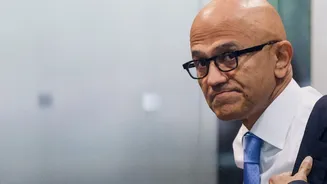
Testifying in the courtroom battle between Elon Musk and OpenAI, Microsoft CEO Satya Nadella offered the clearest explanation yet for why the software giant chose to continue backing Sam Altman despite the turmoil surrounding his leadership .
According to report by the Financial Times, Nadella said Microsoft never received a convincing explanation from OpenAI’s board about why Altman had been fired in the first place. That uncertainty, combined with Microsoft’s belief in Altman’s strategic vision, shaped the company’s response during one of the most dramatic boardroom crises in recent tech history.
“Whenever I asked specifically why Sam was fired, [the board] never gave me a specific answer,” Nadella told jurors. His frustration was unmistakable. “It was amateur city as far as I’m concerned.”
Nadella’s testimony painted a picture of a company balancing caution with conviction.
OpenAI’s board had announced Altman’s removal by claiming he was “not consistently candid” in communications with directors. Nadella acknowledged that dishonesty would normally be serious enough to justify dismissing a chief executive. Yet he repeatedly stressed that Microsoft was never given concrete evidence explaining the board’s concerns.
That absence of clarity appears to have strengthened Microsoft’s support for Altman rather than weaken it.
At the time, Microsoft had already committed billions of dollars to OpenAI and tied much of its future AI strategy to the company’s technology. Walking away from Altman could have jeopardised both Microsoft’s commercial ambitions and its position in the rapidly escalating AI race.
The court also heard that Microsoft viewed Altman as central to OpenAI’s momentum and execution. Within days of his dismissal, employee unrest and investor pressure forced OpenAI’s board to reverse course and reinstate him.
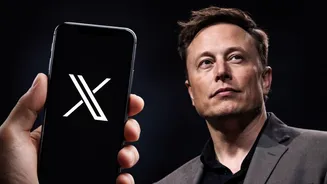
The legal case itself was brought by Musk, an early OpenAI backer who argues the company abandoned its founding non-profit mission in pursuit of profit and power. Musk has repeatedly targeted Altman personally, even mocking him publicly as “Swindly Sam”.
A victory for Musk could complicate OpenAI’s future restructuring plans and potentially disrupt ambitions for a public listing.
While Nadella defended Microsoft’s support for Altman, his testimony also revealed deeper concerns inside the company about becoming too dependent on OpenAI.
Internal emails presented in court showed Nadella privately warning Microsoft executives in 2022 about the dangers of losing strategic control. “I don’t want to be IBM and OpenAI to be Microsoft,” he wrote, referencing the historic partnership that eventually allowed Microsoft to eclipse IBM’s dominance in computing.
Explaining the remark in court, Nadella said he wanted to avoid a situation where Microsoft lacked “self-sufficiency”.
Another email to Microsoft finance chief Amy Hood revealed even sharper concerns. Nadella warned that Microsoft risked becoming merely “a very thin layer on top of Nvidia and all the IP is with OpenAI”.
Those fears help explain why Microsoft has spent recent years strengthening its independent AI capabilities even while expanding its partnership with OpenAI.
Still, the alliance has proved immensely valuable. Microsoft invested $1bn into OpenAI in 2019, followed by $2 billion in 2021 and another $10 billion in 2023. The company now reportedly owns roughly 27 per cent of OpenAI, whose valuation has climbed above $200 billion.
Later in the hearing, Ilya Sutskever also reflected on the chaos surrounding Altman’s removal. Sutskever, who initially supported the decision before later helping restore Altman, admitted the process had been mishandled.
“The process seemed rushed,” he said, adding that the board lacked experience and had received poor legal advice.
Sutskever also recalled Musk predicting OpenAI had “less than 1 per cent” chance of succeeding without him after leaving the organisation in 2018. Asked how much AI had advanced since then, he answered: “It’s the difference between an ant and a cat.”
For Microsoft, however, the testimony made one thing clear: despite the uncertainty, Nadella believed backing Altman remained the safer bet than risking OpenAI’s collapse.
But amid the confusion, one company moved quickly and decisively: Microsoft.
Testifying in the courtroom battle between Elon Musk and OpenAI, Microsoft CEO Satya Nadella offered the clearest explanation yet for why the software giant chose to continue backing Sam Altman despite the turmoil surrounding his leadership .
According to report by the Financial Times, Nadella said Microsoft never received a convincing explanation from OpenAI’s board about why Altman had been fired in the first place. That uncertainty, combined with Microsoft’s belief in Altman’s strategic vision, shaped the company’s response during one of the most dramatic boardroom crises in recent tech history.
“Whenever I asked specifically why Sam was fired, [the board] never gave me a specific answer,” Nadella told jurors. His frustration was unmistakable. “It was amateur city as far as I’m concerned.”
Why Microsoft refused to walk away
Nadella’s testimony painted a picture of a company balancing caution with conviction.
OpenAI’s board had announced Altman’s removal by claiming he was “not consistently candid” in communications with directors. Nadella acknowledged that dishonesty would normally be serious enough to justify dismissing a chief executive. Yet he repeatedly stressed that Microsoft was never given concrete evidence explaining the board’s concerns.
That absence of clarity appears to have strengthened Microsoft’s support for Altman rather than weaken it.
At the time, Microsoft had already committed billions of dollars to OpenAI and tied much of its future AI strategy to the company’s technology. Walking away from Altman could have jeopardised both Microsoft’s commercial ambitions and its position in the rapidly escalating AI race.
The court also heard that Microsoft viewed Altman as central to OpenAI’s momentum and execution. Within days of his dismissal, employee unrest and investor pressure forced OpenAI’s board to reverse course and reinstate him.
The legal case itself was brought by Musk, an early OpenAI backer who argues the company abandoned its founding non-profit mission in pursuit of profit and power. Musk has repeatedly targeted Altman personally, even mocking him publicly as “Swindly Sam”.
A victory for Musk could complicate OpenAI’s future restructuring plans and potentially disrupt ambitions for a public listing.
Behind Microsoft’s growing anxiety over OpenAI
While Nadella defended Microsoft’s support for Altman, his testimony also revealed deeper concerns inside the company about becoming too dependent on OpenAI.
Internal emails presented in court showed Nadella privately warning Microsoft executives in 2022 about the dangers of losing strategic control. “I don’t want to be IBM and OpenAI to be Microsoft,” he wrote, referencing the historic partnership that eventually allowed Microsoft to eclipse IBM’s dominance in computing.
Explaining the remark in court, Nadella said he wanted to avoid a situation where Microsoft lacked “self-sufficiency”.
Another email to Microsoft finance chief Amy Hood revealed even sharper concerns. Nadella warned that Microsoft risked becoming merely “a very thin layer on top of Nvidia and all the IP is with OpenAI”.
Those fears help explain why Microsoft has spent recent years strengthening its independent AI capabilities even while expanding its partnership with OpenAI.
Still, the alliance has proved immensely valuable. Microsoft invested $1bn into OpenAI in 2019, followed by $2 billion in 2021 and another $10 billion in 2023. The company now reportedly owns roughly 27 per cent of OpenAI, whose valuation has climbed above $200 billion.
Later in the hearing, Ilya Sutskever also reflected on the chaos surrounding Altman’s removal. Sutskever, who initially supported the decision before later helping restore Altman, admitted the process had been mishandled.
“The process seemed rushed,” he said, adding that the board lacked experience and had received poor legal advice.
Sutskever also recalled Musk predicting OpenAI had “less than 1 per cent” chance of succeeding without him after leaving the organisation in 2018. Asked how much AI had advanced since then, he answered: “It’s the difference between an ant and a cat.”
For Microsoft, however, the testimony made one thing clear: despite the uncertainty, Nadella believed backing Altman remained the safer bet than risking OpenAI’s collapse.