







What is the story about?
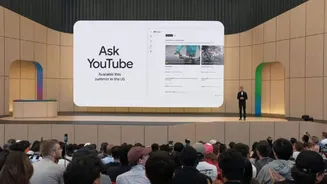
After reshaping how people navigate with AI-powered Maps features, Google is now turning its attention to YouTube. At a briefing ahead of Google I/O 2026, the company unveiled Ask YouTube, a new AI feature that could fundamentally change how users interact with videos on the platform.
Instead of scrolling through thumbnails, skipping around timelines or sitting through lengthy intros, viewers will soon be able to ask detailed questions and jump directly to the precise moment in a video that contains the answer they need.
Google says the feature is designed to make YouTube search more intuitive and conversational. But while it may sound convenient for viewers, creators are already questioning what this shift could mean for watch time, audience engagement and the wider creator economy.
The concern is simple: if viewers only visit a video for a few seconds to get an answer, they may never stay long enough to connect with the creator behind it.
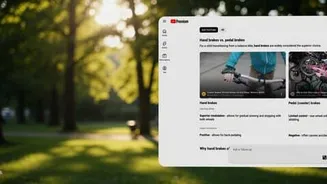
Ask YouTube uses AI to scan spoken dialogue, visuals and metadata across YouTube’s catalogue of long-form videos and Shorts. Users can search using more natural and complex questions rather than relying on keywords.
The system then surfaces relevant videos and pinpoints the exact timestamp where the answer appears. Instead of manually searching through a 20-minute tutorial or explainer, users can immediately jump to the relevant section.
The experience resembles the AI-powered search tools Google has been aggressively rolling out across its ecosystem. Earlier, the company integrated AI into Maps to provide more contextual recommendations and personalised discovery features. With Ask YouTube, Google is now applying a similar philosophy to video consumption: reducing friction and delivering answers faster.
For viewers, this could make YouTube significantly more efficient. Someone looking for a cooking tip, travel recommendation or tech fix may no longer need to watch entire videos before finding useful information.
However, creators worry that efficiency for users could translate into fewer opportunities for channels to build loyal communities. YouTube’s ecosystem depends heavily on watch time and sustained engagement. Longer viewing sessions help creators earn more from advertisements, secure sponsorship deals, grow subscribers and encourage fan-supported revenue through memberships or donations.
Ask YouTube will first launch for YouTube Premium subscribers before expanding to more users globally at a later stage.
Google has positioned the feature as a smarter way to search videos, especially as users increasingly expect instant answers from AI-powered tools. But for creators, the bigger question is whether faster answers will come at the cost of deeper engagement.
If Ask YouTube succeeds, it may not just change how people search videos. It could change how people watch them altogether.
Instead of scrolling through thumbnails, skipping around timelines or sitting through lengthy intros, viewers will soon be able to ask detailed questions and jump directly to the precise moment in a video that contains the answer they need.
Google says the feature is designed to make YouTube search more intuitive and conversational. But while it may sound convenient for viewers, creators are already questioning what this shift could mean for watch time, audience engagement and the wider creator economy.
The concern is simple: if viewers only visit a video for a few seconds to get an answer, they may never stay long enough to connect with the creator behind it.
Ask YouTube: How does it work
Ask YouTube uses AI to scan spoken dialogue, visuals and metadata across YouTube’s catalogue of long-form videos and Shorts. Users can search using more natural and complex questions rather than relying on keywords.
The system then surfaces relevant videos and pinpoints the exact timestamp where the answer appears. Instead of manually searching through a 20-minute tutorial or explainer, users can immediately jump to the relevant section.
With Ask YouTube, we’re bringing a new conversational search experience to @YouTube.
Type your question, and get both relevant videos alongside text in an interactive, structured response.
Rolling out this summer in the U.S. to start.#GoogleIO pic.twitter.com/qB3mgyuxEU
— Google (@Google) May 19, 2026
The experience resembles the AI-powered search tools Google has been aggressively rolling out across its ecosystem. Earlier, the company integrated AI into Maps to provide more contextual recommendations and personalised discovery features. With Ask YouTube, Google is now applying a similar philosophy to video consumption: reducing friction and delivering answers faster.
For viewers, this could make YouTube significantly more efficient. Someone looking for a cooking tip, travel recommendation or tech fix may no longer need to watch entire videos before finding useful information.
However, creators worry that efficiency for users could translate into fewer opportunities for channels to build loyal communities. YouTube’s ecosystem depends heavily on watch time and sustained engagement. Longer viewing sessions help creators earn more from advertisements, secure sponsorship deals, grow subscribers and encourage fan-supported revenue through memberships or donations.
Availability
Ask YouTube will first launch for YouTube Premium subscribers before expanding to more users globally at a later stage.
Google has positioned the feature as a smarter way to search videos, especially as users increasingly expect instant answers from AI-powered tools. But for creators, the bigger question is whether faster answers will come at the cost of deeper engagement.
If Ask YouTube succeeds, it may not just change how people search videos. It could change how people watch them altogether.