






What is the story about?
The US Supreme Court is set to release its next batch of rulings on January 20 at 10 am ET, with several high-profile cases still pending, including a closely watched challenge to President Donald Trump’s sweeping global tariffs.
The court said on its website on Friday, January 16, that it may issue opinions in argued cases when the justices meet for a scheduled sitting next Tuesday. As is standard practice, the Supreme Court did not specify which cases will be decided.
Among the most consequential matters before the court is the legal challenge to Trump’s tariffs, a case that tests both the limits of presidential authority and the court’s willingness to rein in the Republican president’s expansive claims of executive power since his return to office in January 2025.
The ruling could have far-reaching consequences for global trade and the international economy.
During oral arguments on November 5, both conservative and liberal justices appeared sceptical of the administration’s reliance on a 1977 law designed for use during national emergencies to justify the tariffs.
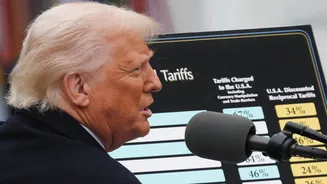
Trump invoked the International Emergency Economic Powers Act to impose so-called “reciprocal” tariffs on imports from nearly all US trading partners, citing a national emergency linked to persistent trade deficits. His administration is appealing lower court rulings that found he exceeded his authority.
Treasury Secretary Scott Bessent on Sunday said it was “very unlikely” that the Supreme Court would overturn President Donald Trump’s use of emergency powers to impose tariffs, with a potential decision looming as early as this week.
“I believe that it is very unlikely that the Supreme Court will overrule a president’s signature economic policy,” Bessent said on NBC’s Meet the Press. “They did not overrule Obamacare, I believe that the Supreme Court does not want to create chaos.”
In June, the Supreme Court upheld a key Affordable Care Act provision that established a panel to recommend preventive care services that insurers must provide at no cost to patients.
Bessent’s remarks came a day after Trump said he would impose a new round of tariffs on goods from Europe until “a Deal is reached for the Complete and Total purchase of Greenland.”
Trump did not specify in his Truth Social post which statute he was invoking, though the move appears to mirror the “liberation day” duties imposed on dozens of nations under the International Emergency Economic Powers Act.
Trump said tariffs on goods from Denmark, Norway, Sweden, France, Germany, the United Kingdom, the Netherlands and Finland will begin at 10 percent on February 1 and rise to 25 percent on June 1.
The Supreme Court is expected to rule on Trump’s use of the IEEPA to impose tariffs before the end of its term, though a decision could come as soon as this week. The law grants the president broad authority to deploy economic tools in response to an “unusual and extraordinary threat”.
The court said on its website on Friday, January 16, that it may issue opinions in argued cases when the justices meet for a scheduled sitting next Tuesday. As is standard practice, the Supreme Court did not specify which cases will be decided.
Trump’s tariff powers under judicial scrutiny
Among the most consequential matters before the court is the legal challenge to Trump’s tariffs, a case that tests both the limits of presidential authority and the court’s willingness to rein in the Republican president’s expansive claims of executive power since his return to office in January 2025.
The ruling could have far-reaching consequences for global trade and the international economy.
Justices sceptical of emergency law argument
During oral arguments on November 5, both conservative and liberal justices appeared sceptical of the administration’s reliance on a 1977 law designed for use during national emergencies to justify the tariffs.
Trump invoked the International Emergency Economic Powers Act to impose so-called “reciprocal” tariffs on imports from nearly all US trading partners, citing a national emergency linked to persistent trade deficits. His administration is appealing lower court rulings that found he exceeded his authority.
Treasury secretary downplays chances of reversal
Treasury Secretary Scott Bessent on Sunday said it was “very unlikely” that the Supreme Court would overturn President Donald Trump’s use of emergency powers to impose tariffs, with a potential decision looming as early as this week.
“I believe that it is very unlikely that the Supreme Court will overrule a president’s signature economic policy,” Bessent said on NBC’s Meet the Press. “They did not overrule Obamacare, I believe that the Supreme Court does not want to create chaos.”
In June, the Supreme Court upheld a key Affordable Care Act provision that established a panel to recommend preventive care services that insurers must provide at no cost to patients.
Fresh tariff threat linked to Greenland demand
Bessent’s remarks came a day after Trump said he would impose a new round of tariffs on goods from Europe until “a Deal is reached for the Complete and Total purchase of Greenland.”
Trump did not specify in his Truth Social post which statute he was invoking, though the move appears to mirror the “liberation day” duties imposed on dozens of nations under the International Emergency Economic Powers Act.
Tariff rates and timeline announced
Trump said tariffs on goods from Denmark, Norway, Sweden, France, Germany, the United Kingdom, the Netherlands and Finland will begin at 10 percent on February 1 and rise to 25 percent on June 1.
The Supreme Court is expected to rule on Trump’s use of the IEEPA to impose tariffs before the end of its term, though a decision could come as soon as this week. The law grants the president broad authority to deploy economic tools in response to an “unusual and extraordinary threat”.