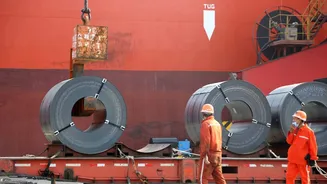

In a bid to shield domestic producers from a flood of cheap overseas steel, the Indian government has imposed a three-year import tariff of 11–12 per cent on selected steel products.
The move, formally published in the official government gazette, is designed to counter what officials call a “recent, sudden, sharp and significant increase” in imports, especially from China, that threatens local industry.
Under the new structure, the safeguard duty will start at 12 per cent in the first year, taper to 11.5 per cent in the second, and go down to 11 per cent in the third year. Certain developing nations are exempt, but shipments from China, Vietnam and Nepal will face the levy. Specialised steel items like stainless steel are also not covered by the new tariff.
Protecting local steelmakers
Government officials and industry advocates argue this longer-term tariff replaces a short-lived interim duty and gives Indian steelmakers the breathing room they need to compete.
The Directorate General of Trade Remedies recommended the safeguard duty after finding the surge in imports had already begun hurting domestic producers and could cause further injury if left unaddressed.
Also read | 2026 looms as stress test for India’s exports amid protectionism and climate-linked trade curbs
For years, cheaper Chinese steel has cut into Indian manufacturers’ margins, leading to complaints of dumping, when foreign goods are sold below normal value and undercut local prices.
By imposing a multi-year duty, policymakers hope to stabilise prices, improve capacity utilisation in Indian plants, and prevent imported steel from displacing homegrown output.
Market cheers the move
The tariff announcement sparked a positive reaction in Indian financial markets. Shares of major steel companies, including Tata Steel, JSW Steel, Steel Authority of India (SAIL) and Jindal Steel, climbed between roughly 2 per cent and 5 per cent on the day the news broke.
Analysts say the tariff gives local producers room to raise prices because domestic steel still trades about 13–15 per cent below the landed cost of Chinese imports. That pricing gap has meant Indian mills struggled to pass on costs to buyers in the past, but the tariff could narrow that disadvantage.
At the same time, the broader Indian stock market showed gains in its metal sector. The Nifty 50 index rose modestly on Dec. 31, with steel and metal stocks leading the uptick, although broader concerns like foreign investor outflows capped overall market moves.
What this means going forward
For domestic steelmakers, the tariff offers a stronger shield against sharply underpriced imports, helping them plan longer-term investments and production strategies with greater confidence. For consumers of steel, like infrastructure builders and heavy industry, the change could mean slightly higher costs down the line, as the market recalibrates to the new protective regime.