





What is the story about?
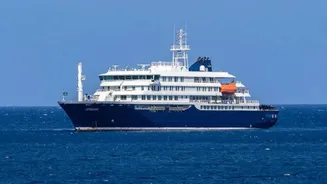
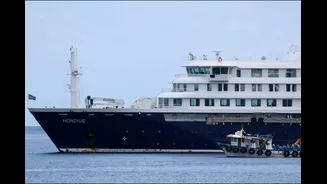
It was a busy Sunday in Spain’s Tenerife as officials dressed in blue medical suits carried out the repatriation of the Dutch cruise liner, MV Hondius, which is at the centre of the hantavirus outbreak.
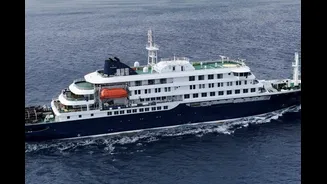
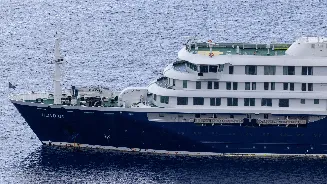
The MV Hondius had been stranded for days as authorities debated how to safely handle the public health risk, which killed three people and infected several others. On Sunday (May 10), the ship anchored off the island of Tenerife, and a complex day-long operation unfolded, which ended with 94 people on board the cruise now heading to their respective countries.
Spanish Health Minister Monica Garcia called it a “pretty intense” day.
But what happens to the passengers after they have been deboarded? We find out.
On Sunday (May 10), the Dutch cruise, MV Hondius, arrived at Spain’s Tenerife island, from where passengers and crew from countries around the world were evacuated from the ship at the centre of the hantavirus outbreak.
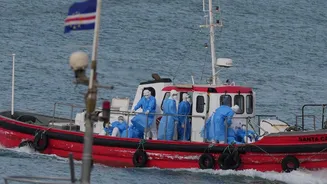
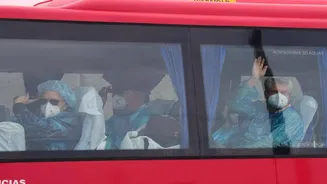
On Sunday, passengers and crewmembers wearing blue medical suits began disembarking the Dutch-flagged vessel onto smaller boats to reach the small industrial port of Granadilla on Tenerife. The evacuees then boarded Spanish army buses and travelled to Tenerife South airport in a convoy, with a protective board separating the driver from the passengers. The evacuees changed into new protective equipment before boarding their repatriation flights.
Earlier, Spanish health authorities had vowed that anyone coming off the ship would only encounter the military or health personnel gathered here to take them onwards to their flights home.
The disembarking of people on board the MV Hondius was carried out in stages. First, Spanish nationals were transported, followed by those being taken home by the Netherlands, Turkey, France, the UK, and the US. The flights operated by the Netherlands will also carry passengers from Germany, Belgium, and Greece to their respective countries.
A final flight will carry six passengers to Australia, while the remaining crew will stay on board as the vessel sails to the Netherlands for disinfection. OceanWide Expeditions, the operator of MV Hondius, said it would take around five days for the vessel to reach Rotterdam once it departs from Tenerife.
After disembarking the MV Hondius, passengers are now being flown to their respective home countries.
The Spanish nationals on board have been flown to Madrid, where they will be placed into quarantine at the Gomez Ulla military hospital. Meanwhile, the Britons on board have been flown to Manchester. They will be placed in quarantine at Arrowe Park hospital in Wirral. As of now, none of the British passengers are showing any symptoms, according to the head of the NHS trust managing the quarantine. They will get regular welfare checks over the next 72 hours in self-contained flats at Arrowe Park before self-isolating for 45 days at home.
Meanwhile, 17 US passengers, who were on board, have been flown to the University of Nebraska Medical Center in the city of Omaha in Nebraska. They will be screened by medical officials who will determine whether they are sick and in need of treatment or healthy enough to return to their homes.
The acting director of the US Centers for Disease Control and Prevention (CDC) stated that the passengers will only be considered a threat to public health if they were in close contact with someone experiencing hantavirus symptoms, which is the only way the virus can spread between people.
“If they weren’t in close contact with someone who was symptomatic, then we’re going to deem them a low risk,” said Jay Bhattacharya. “If they were in close contact, we’re going to deem them a medium or high risk. At that point, we will offer them alternatives,” he continued, adding that it “will include advice given”.
The two Indians, who were on board the MV Hondius, have also been evacuated to the Netherlands where they will be quarantined, according to the Indian embassy in Madrid. “The passengers onboard disembarked from the ship, in accordance with the protocol established by the WHO and Spanish authorities…. As informed by the Spanish National Centre for Emergency Monitoring and Coordination (CENEM), the two Indian nationals who were travelling as crew members, have been evacuated to the Netherlands where they will be quarantined,” the communication from the Indian Embassy in Spain said.
The citizens of the Philippines, who were on board the hantavirus-stricken ship, have been transferred to the Netherlands and will undergo quarantine there. A spokesperson added that 14 remaining staff members would bring the ship to port in Rotterdam.
While most passengers evacuated from the ship at the centre of the hantavirus outbreak have been asymptomatic, French Prime Minister Sebastien Lecornu noted that one of the five was showing symptoms of the infection.
“One of them showed symptoms in the repatriation plane,” he posted on X. “These five passengers have immediately been placed in strict isolation until further notice.
Additionally, one of the 17 Americans flown to Nebraska has tested mildly positive for the virus, the US health department announced. “One passenger currently has mild symptoms and another passenger tested mildly PCR positive for the Andes virus,” the Department of Health and Human Services said.
As passengers on board the MV Hondius enter quarantine centres across the world, there are fears of a Covid-like pandemic. However, the WHO has repeatedly noted that such concerns are unfounded.
WHO chief Dr Tedros Adhanom Ghebreyesus said this hantavirus outbreak is “not another
Covid-19.” And when asked whether allowing passengers to travel all over the world and relying on them to self-isolate with no oversight could cause further outbreaks, he responded, “Based on our assessment, what you have said is not going to happen.”
Moreover, prediction markets too don’t seem to be worried about the hantavirus. Kalshi data shows only a 21 per cent chance that the hantavirus outbreak will be a concern this year.
With inputs from agencies
The MV Hondius had been stranded for days as authorities debated how to safely handle the public health risk, which killed three people and infected several others. On Sunday (May 10), the ship anchored off the island of Tenerife, and a complex day-long operation unfolded, which ended with 94 people on board the cruise now heading to their respective countries.
Spanish Health Minister Monica Garcia called it a “pretty intense” day.
But what happens to the passengers after they have been deboarded? We find out.
What happened when the ship reached Spain’s Tenerife?
On Sunday (May 10), the Dutch cruise, MV Hondius, arrived at Spain’s Tenerife island, from where passengers and crew from countries around the world were evacuated from the ship at the centre of the hantavirus outbreak.
On Sunday, passengers and crewmembers wearing blue medical suits began disembarking the Dutch-flagged vessel onto smaller boats to reach the small industrial port of Granadilla on Tenerife. The evacuees then boarded Spanish army buses and travelled to Tenerife South airport in a convoy, with a protective board separating the driver from the passengers. The evacuees changed into new protective equipment before boarding their repatriation flights.
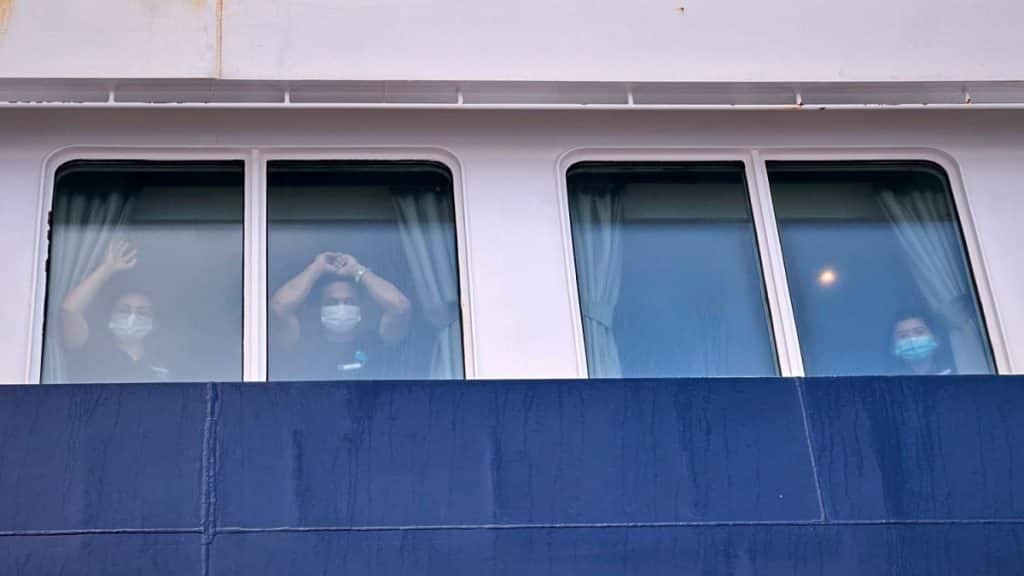
Passengers watch as others are disembarked from the hantavirus-stricken cruise ship MV Hondius at the port of Granadilla in Tenerife, Canary Islands, Spain. AP
Earlier, Spanish health authorities had vowed that anyone coming off the ship would only encounter the military or health personnel gathered here to take them onwards to their flights home.
The disembarking of people on board the MV Hondius was carried out in stages. First, Spanish nationals were transported, followed by those being taken home by the Netherlands, Turkey, France, the UK, and the US. The flights operated by the Netherlands will also carry passengers from Germany, Belgium, and Greece to their respective countries.
A final flight will carry six passengers to Australia, while the remaining crew will stay on board as the vessel sails to the Netherlands for disinfection. OceanWide Expeditions, the operator of MV Hondius, said it would take around five days for the vessel to reach Rotterdam once it departs from Tenerife.
What comes next for the passengers on board the vessel?
After disembarking the MV Hondius, passengers are now being flown to their respective home countries.
The Spanish nationals on board have been flown to Madrid, where they will be placed into quarantine at the Gomez Ulla military hospital. Meanwhile, the Britons on board have been flown to Manchester. They will be placed in quarantine at Arrowe Park hospital in Wirral. As of now, none of the British passengers are showing any symptoms, according to the head of the NHS trust managing the quarantine. They will get regular welfare checks over the next 72 hours in self-contained flats at Arrowe Park before self-isolating for 45 days at home.
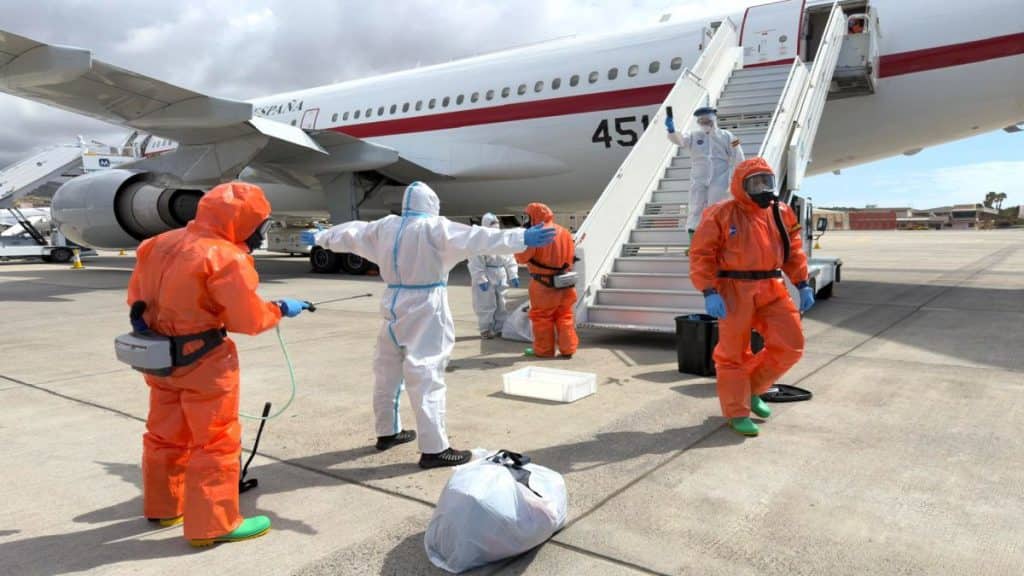
A Spanish passenger is sprayed with disinfectant by Spanish government officials before boarding a plane after disembarking from the hantavirus-stricken cruise ship MV Hondius at Tenerife airport in the Canary Islands, Spain. AP
Meanwhile, 17 US passengers, who were on board, have been flown to the University of Nebraska Medical Center in the city of Omaha in Nebraska. They will be screened by medical officials who will determine whether they are sick and in need of treatment or healthy enough to return to their homes.
The acting director of the US Centers for Disease Control and Prevention (CDC) stated that the passengers will only be considered a threat to public health if they were in close contact with someone experiencing hantavirus symptoms, which is the only way the virus can spread between people.
“If they weren’t in close contact with someone who was symptomatic, then we’re going to deem them a low risk,” said Jay Bhattacharya. “If they were in close contact, we’re going to deem them a medium or high risk. At that point, we will offer them alternatives,” he continued, adding that it “will include advice given”.
The two Indians, who were on board the MV Hondius, have also been evacuated to the Netherlands where they will be quarantined, according to the Indian embassy in Madrid. “The passengers onboard disembarked from the ship, in accordance with the protocol established by the WHO and Spanish authorities…. As informed by the Spanish National Centre for Emergency Monitoring and Coordination (CENEM), the two Indian nationals who were travelling as crew members, have been evacuated to the Netherlands where they will be quarantined,” the communication from the Indian Embassy in Spain said.
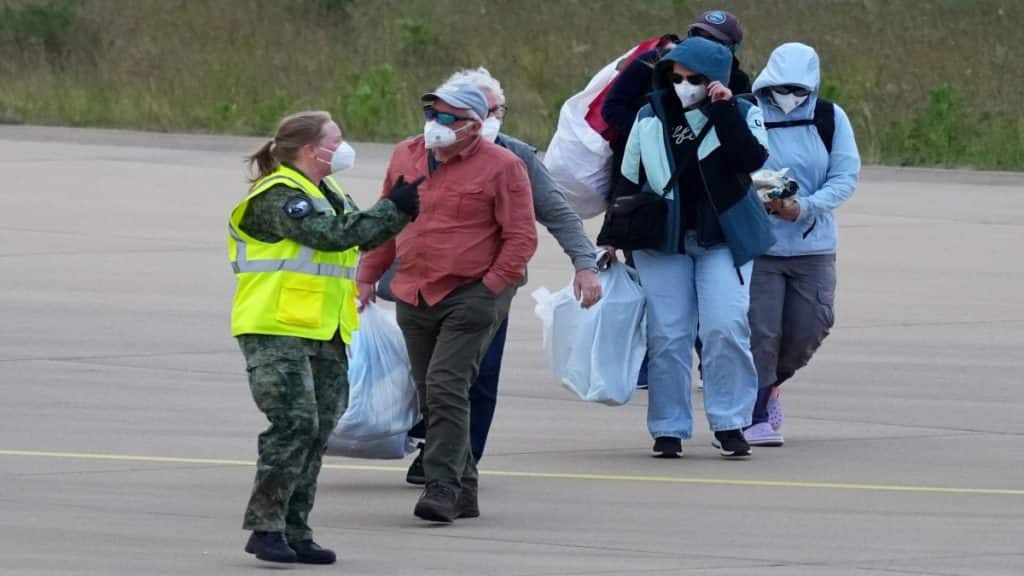
Passengers evacuated from the hantavirus-stricken cruise ship MV Hondius arrive at Eindhoven airport, Netherlands. AP
The citizens of the Philippines, who were on board the hantavirus-stricken ship, have been transferred to the Netherlands and will undergo quarantine there. A spokesperson added that 14 remaining staff members would bring the ship to port in Rotterdam.
What’s the status of the passengers now?
While most passengers evacuated from the ship at the centre of the hantavirus outbreak have been asymptomatic, French Prime Minister Sebastien Lecornu noted that one of the five was showing symptoms of the infection.
“One of them showed symptoms in the repatriation plane,” he posted on X. “These five passengers have immediately been placed in strict isolation until further notice.
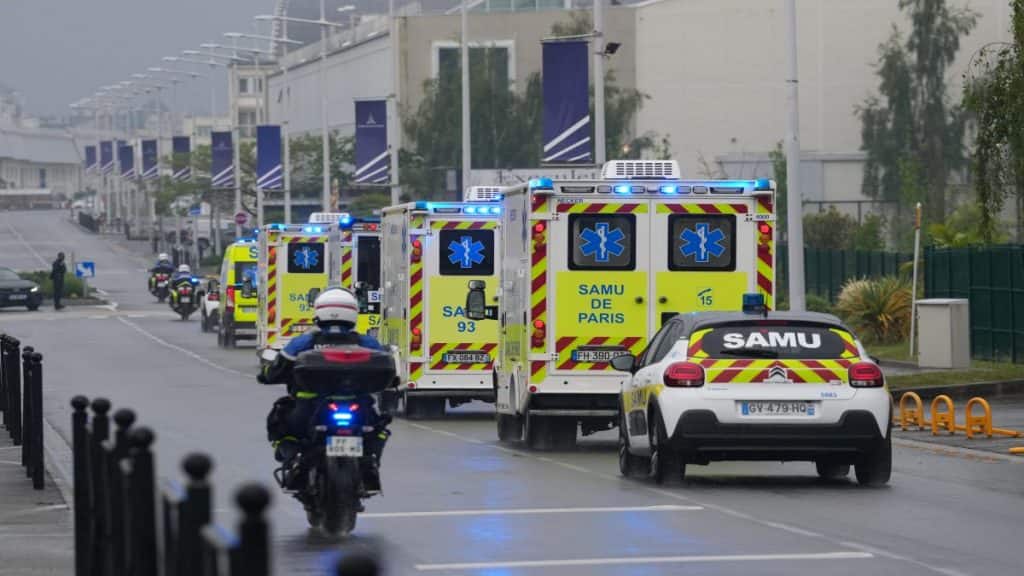
Ambulances carrying patients evacuated from the MV Hondius cruise ship with suspected hantavirus infection, leave the Bourget airport, north of Paris. AP
Additionally, one of the 17 Americans flown to Nebraska has tested mildly positive for the virus, the US health department announced. “One passenger currently has mild symptoms and another passenger tested mildly PCR positive for the Andes virus,” the Department of Health and Human Services said.
What comes next?
As passengers on board the MV Hondius enter quarantine centres across the world, there are fears of a Covid-like pandemic. However, the WHO has repeatedly noted that such concerns are unfounded.
WHO chief Dr Tedros Adhanom Ghebreyesus said this hantavirus outbreak is “not another
Moreover, prediction markets too don’t seem to be worried about the hantavirus. Kalshi data shows only a 21 per cent chance that the hantavirus outbreak will be a concern this year.
With inputs from agencies