







Level 4 autonomy means these vehicles can drive themselves without human intervention under specific operating conditions. Nvidia has unveiled a comprehensive hardware and software stack for self-driving taxis, combining the DRIVE AGX in-vehicle computer with a safety-certified operating system called Halos OS.
The platform also integrates a sophisticated array of cameras, radar systems, and sensors that help vehicles perceive their surroundings and safely navigate traffic.
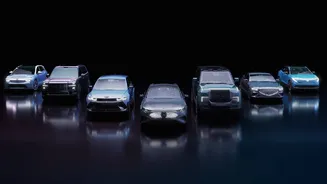
In Asia, Foxconn is expanding its partnership with Nvidia to design and manufacture fully autonomous electric vehicles, further accelerating the push towards large-scale deployment of self-driving transportation.
Reports suggest that the project will begin in Taiwan, specifically in the southern city of Kaohsiung. Local government officials are already upgrading city infrastructure to support large fleets of smart electric vehicles. Foxconn plans to launch an official robotaxi service by 2028.
Europe Next in Line for Driverless Expansion
Ride-hailing giant Uber is also working with Autobrains to launch a new robotaxi programme in Munich. These autonomous electric vehicles are expected to hit German roads later this year.
Autobrains has argued that traditional self-driving systems often struggle because they rely on a single model to handle every situation. Its new agentic AI software is designed to think, reason, and adapt when unexpected events occur on the road.
Combined with Nvidia's hardware and Uber's existing ride-hailing network, the technology could help enable driverless fleets to operate across multiple countries.
In the Middle East, mobility firm HUMAIN is bringing Nvidia's Drive Hyperion platform to Saudi Arabia. The Kingdom is building new smart cities from the ground up, making it an ideal testing ground for vehicles that connect the physical world with digital intelligence.
Robotaxis require immense processing power to operate safely. Nvidia provides a common foundation that allows automakers to avoid building their own self-driving systems from scratch. This shared platform could help manufacturers accelerate and streamline their robotaxi ambitions.