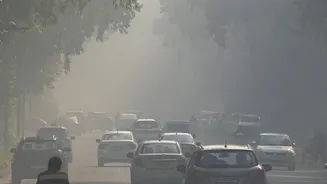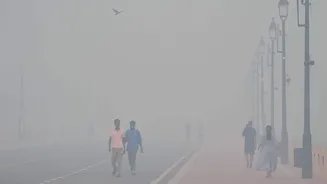

The restrictions were reactivated after air quality worsened further, with the AQI touching 409, down from 393 recorded at around 8 am. The Commission for Air Quality Management (CAQM) has directed pollution control boards across the NCR and other agencies to intensify preventive measures to prevent further deterioration. This includes the implementation of all Stage III actions in addition to the existing measures under Stages I and II.
Under GRAP, air quality during winter is classified into four stages: Stage I (Poor, AQI 201–300), Stage II (Very Poor, AQI 301–400), Stage III (Severe, AQI 401–450) and Stage IV (Severe Plus, AQI above 450).
Curbs under GRAP-3 include a ban on non-essential construction and demolition activities, as well as stone crushing and mining operations. The use of older diesel goods vehicles is prohibited in Delhi. Schools up to Class 5 are required to shift to a hybrid mode of learning, while offices in Delhi-NCR may operate with 50 percent staff strength.
Wazirpur records worst AQI
Several parts of Delhi reported severe air quality early Saturday. Wazirpur was the worst affected, recording an AQI of 443. Other severely polluted areas included Jahangirpuri (439 and 442), Vivek Vihar (437), Anand Vihar (435), Ghazipur (435), Rohini (436), Chandni Chowk (419), Burari Crossing (415) and RK Puram (404).
Dangerously high AQI levels have become a frequent occurrence in Delhi during winter. According to a report by news agency IANS, citing environmental experts, the worsening air quality has been attributed to stagnant winds, vehicular emissions, industrial activity and seasonal factors such as crop residue burning in neighbouring states.
Health experts have warned that prolonged exposure to such pollution levels can aggravate asthma, reduce lung function, increase cardiovascular stress and cause irritation of the eyes and throat.
Delhi airport advisory
Delhi Airport said flight operations were normal despite low visibility conditions. In a post on X, the airport stated that low visibility procedures were in place and advised passengers to check with their respective airlines for updated flight information.
On Friday, Delhi remained under a thick layer of smog, with the AQI recorded at 386. Dense haze was reported in areas such as Ghazipur and Anand Vihar, where visibility remained severely affected.