




What is the story about?
In early 2025 when Donald Trump won the US presidential elections and returned to the White House, many Indians were enthusiastic, expressing hopes that it would be a continuation of Trump 1.0.
The Indian establishment expected that with Narendra Modi’s ‘good friend’ Trump being in the seat of power, it would be a cakewalk for India-US ties. But, as the saying goes, politics is unpredictable. Just a few months after the real estate mogul-turned-president took over the White House, something unexpected and unprecedented happened.
India, which enjoyed close ties with the US over the past decade — be it from defence to trade and more — saw Trump placing one roadblock after another, making it seem like New Delhi was no longer a partner, no longer a friend, but, in fact a foe.
We take a closer look at the many twists and turns that the India-US ties have seen in the first year of Trump 2.0 — on January 20.
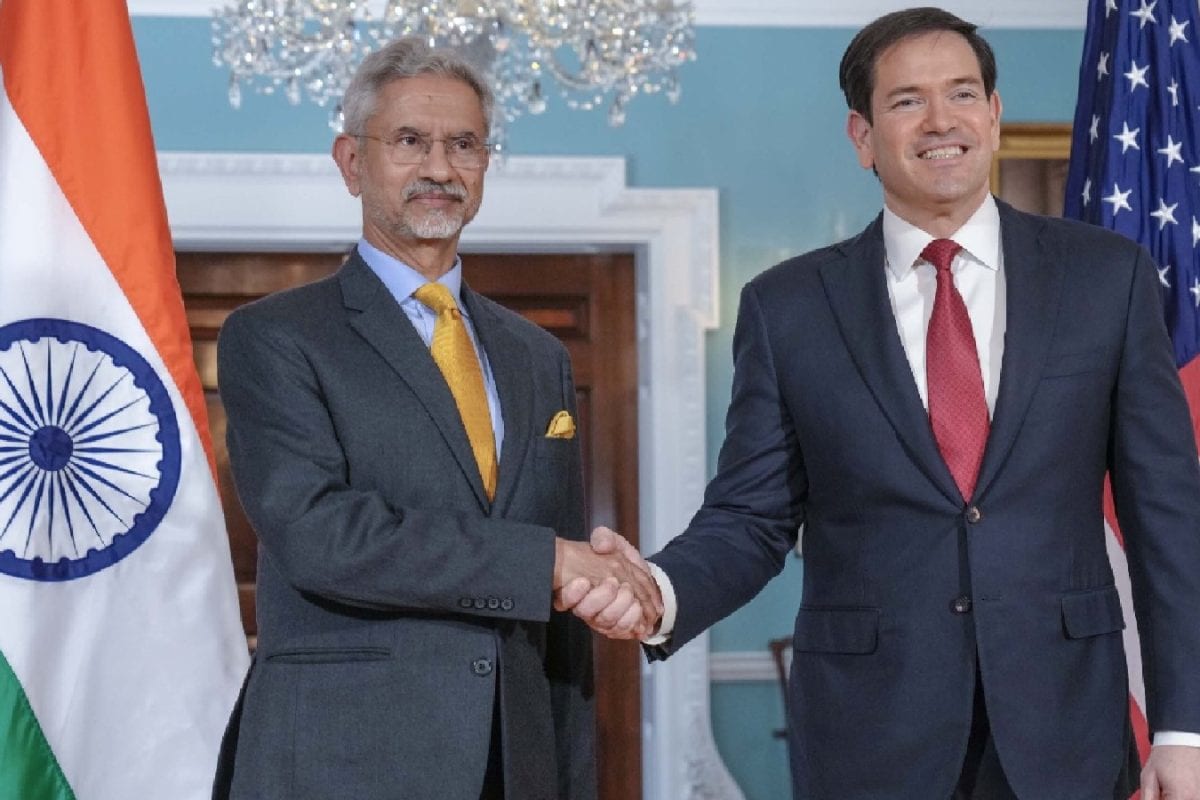
When Trump came to office last January, Indian policymakers were excited. And the early days of the US president’s seemed promising. Within the first few hours of coming to power, US Secretary of State Marco Rubio convened a meeting of the foreign ministers of Quad — which consists of Australia, India, Japan and the US — in Washington, where they jointly committed to defending the rule of law, democratic values, and sovereignty and strengthening maritime, economic, and technology security in the Indo-Pacific.

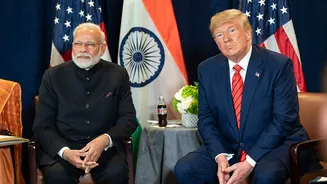
Later, in February, Trump hosted Modi at the White House. In fact, the PM was among the first few foreign leaders to meet the US president and during their first meet, they announced a raft of defence, technology, and trade initiatives and reaffirmed their strategic partnership — one that was, according to a joint statement, “anchored in mutual trust, shared interests, [and] goodwill.”
But it seemed the goodwill didn’t last long. And by April it spiralled downwards.
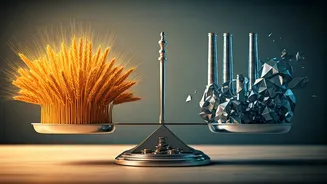
Guided by his ‘America First’ policy, in April, Trump imposed sweeping tariffs on almost all of America’s trading partners as part of his
"Liberation Day” tariffs. For those who thought India would be spared, it came as a total shocker when Trump levied these import taxes on goods from India.
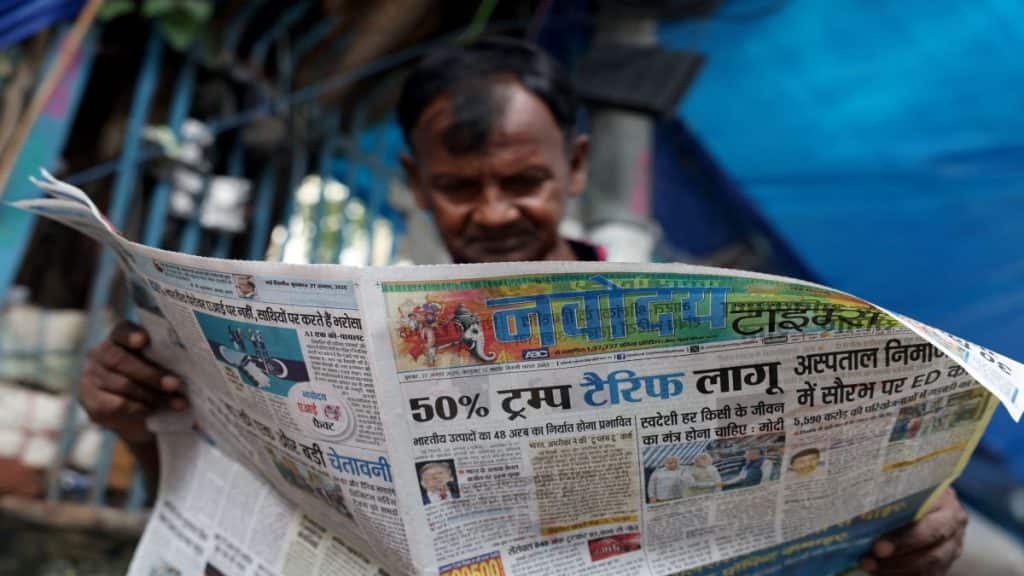
But the 25 per cent tariff wasn’t the end of it, but just the iceberg. Last August, he imposed another 25 per cent tariff on India — this time, for purchasing Russian oil and “financing Russia’s war against Ukraine”.
The steep tariffs put India at a significant disadvantage compared to other peers, such as China (around 32 per cent), Vietnam (20 per cent), and Bangladesh (20 per cent).
Along with the tariffs also came some pretty sharp remarks from Trump and his aides. The US president in late July declared the Indian economy to be “dead”. His deputy chief of staff at the White House, Stephen Miller, accused India of imposing “massive” tariffs on American goods and “cheating” the US immigration system, in addition to purchasing the Russian oil that’s “financing” Russia’s war in Ukraine.
Even US Treasury Secretary Scott Bessent slammed India, accusing it of profiteering from cheap Russian oil imports during the war in Ukraine, describing the practice as “arbitrage” and condemning it as unacceptable.
But it seems that India has shown resilience despite Trump’s tariffs. In September-December, exports to the US saw only a marginal decline of one per cent to $25.57 billion. However, the sectoral impact has been significant. Many labour-intensive sectors recorded a sharp year-on-year fall in the September-November period, such as gems and jewellery (60 per cent), plastic and linoleum (44.3 per cent), glassware (44 per cent) and fertilisers (33.3 per cent), suggesting that the tariffs are biting smaller Indian exporters.
The shift in ties between ‘good friends’ Modi and Trump became even more pronounced in the aftermath of Operation Sindoor — the military conflict between India and Pakistan last May.
When India and Pakistan announced a ceasefire following five days of fighting, Trump quickly boasted of his role in bringing peace to the region, stating that he had used tariffs to coerce both sides to give up the fighting. India firmly rejected this claim, as well as his offer to mediate a permanent resolution to the conflict.
The episode angered Trump and contributed to worsening relations. From India’s perspective, matters were compounded by
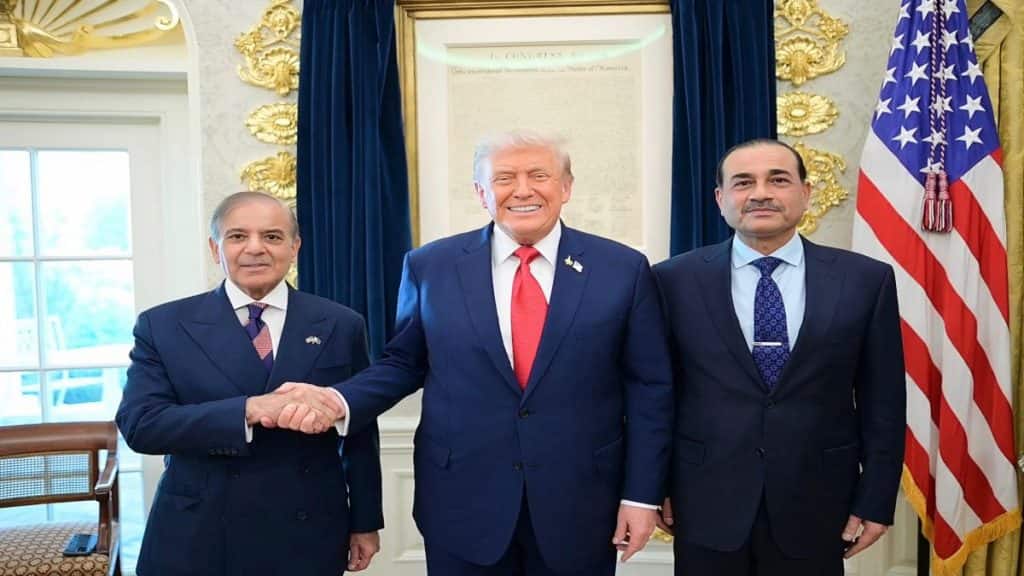
Pakistan’s steadily improving ties with the United States, helped in part by Pakistan’s willingness to give Trump the credit he sought. In their efforts to cosy up to the US president, Islamabad — led by Prime Minister Shehbaz Sharif and Pakistan army chief Field Marshal Asim Munir — showered lavish praise on Trump and even nominated him for the Nobel Peace Prize.
One of the other areas where India-US ties have seen a definite dip is in immigration. Within hours of taking office in January last year, Trump signed an executive order fast-tracking deportations of illegal immigrants in the US.
This move affected Indians as well. The deportation of over 200 illegal Indian immigrants in handcuffs last February stirred quite a row. Many more Indians residing in the US illegally have been deported from the US since then. Data shows that a total of 3,250 Indians have been deported until November 28, 2025. This far exceeds the deportations in previous years, including those in Trump’s first year.

Apart from the deportations, the Trump administration delivered a significant blow to Indians when it announced a steep one-time fee of
$100,000 for H-1B visas, sharply raising the cost for employers to hire foreign workers.
The Trump administration has also okayed the removal of the lottery system, replacing it with a wage-based system, which will prioritise applicants with higher salaries. Indians, who receive the lion’s share of H-1B visas — around 74 per cent — have been hit hard, as they face delays in visa processing as well as heightened uncertainty.
Trump’s many not-so friendly moves aimed at India has resulted in New Delhi and Prime Minister Narendra Modi diversifying.
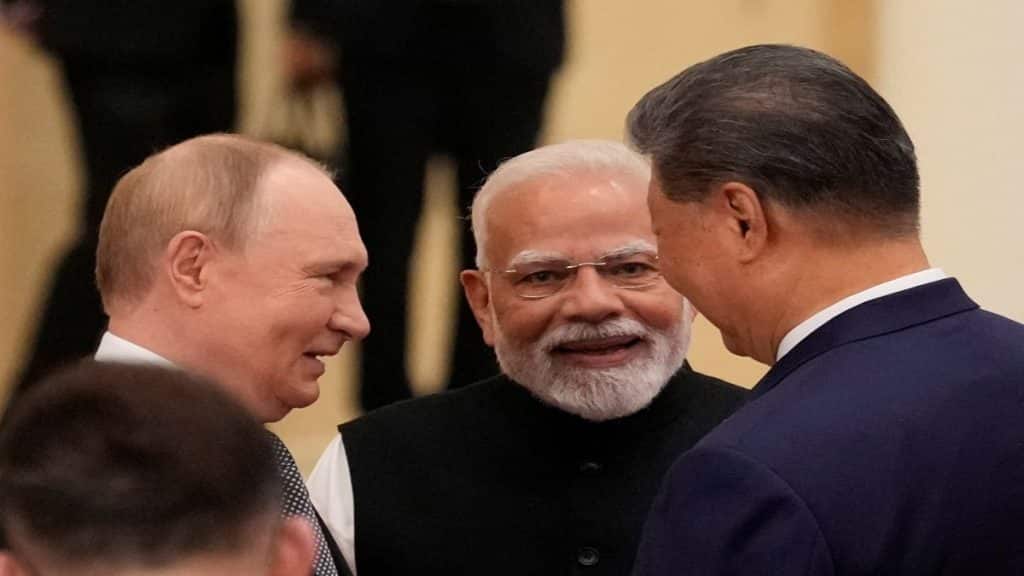
In the first year of Trump 2.0, India has made more public overtures to China and Russia. Modi made his first visit to China in seven years and appeared clasping hands with China’s and Russia’s leaders. This prompted Trump to conclude that the United States had “lost India.”
In December 2025, Russia’s Vladimir Putin arrived in India on a state visit and the two sides announced a slew of agreements.
Moreover, Indian public opinion, which was once pro-Trump, has turned against the US president. As
Foreign Affairs notes in one report, Indian social media commentary, once effusive about the Trump administration, has turned acerbic. Posts repeatedly mock and condemn the United States.
However, as Trump 2.0 enters a second year, all is not lost between the US and India. New Delhi recently signed a one-year agreement to increase imports of liquefied petroleum gas from the United States.
The two governments have also completed a deal for India to purchase $93 million worth of Javelin antitank missile systems and precision-guided artillery and signed a nearly $1 billion contract for the maintenance of the Indian Navy’s US-made MH-60R Sea Hawk helicopters.
Moreover, on January 12, the new United States Ambassador to India, Sergio Gor, took charge with a rather conciliatory note, calling the partnership between the two countries the most “consequential global partnership of this century” and insisting that “real friends always resolve their differences in the end”.
He was quoted as saying, “Real friends can disagree, but always resolve their differences in the end. The United States and India are bound not just by shared interests, but by a relationship anchored at the highest level.”
He further confirmed that New Delhi and Washington would resume trade discussions, seeking to revive talks that collapsed last year.
There’s hope that Trump’s second year in his second term will be kinder to India. But as we said earlier, politics is unpredictable and the US president is even more unpredictable.
With inputs from agencies
The Indian establishment expected that with Narendra Modi’s ‘good friend’ Trump being in the seat of power, it would be a cakewalk for India-US ties. But, as the saying goes, politics is unpredictable. Just a few months after the real estate mogul-turned-president took over the White House, something unexpected and unprecedented happened.
India, which enjoyed close ties with the US over the past decade — be it from defence to trade and more — saw Trump placing one roadblock after another, making it seem like New Delhi was no longer a partner, no longer a friend, but, in fact a foe.
We take a closer look at the many twists and turns that the India-US ties have seen in the first year of Trump 2.0 — on January 20.
Beginning of India-US downward spiral
When Trump came to office last January, Indian policymakers were excited. And the early days of the US president’s seemed promising. Within the first few hours of coming to power, US Secretary of State Marco Rubio convened a meeting of the foreign ministers of Quad — which consists of Australia, India, Japan and the US — in Washington, where they jointly committed to defending the rule of law, democratic values, and sovereignty and strengthening maritime, economic, and technology security in the Indo-Pacific.
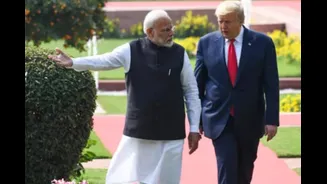
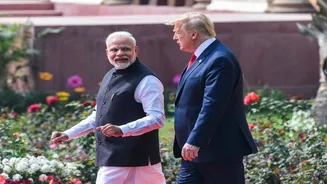
US President Donald Trump shakes hands with Prime Minister Narendra Modi during a joint press conference in the East Room of the White House in Washington, DC, on February 13, 2025. File image/AFP
Later, in February, Trump hosted Modi at the White House. In fact, the PM was among the first few foreign leaders to meet the US president and during their first meet, they announced a raft of defence, technology, and trade initiatives and reaffirmed their strategic partnership — one that was, according to a joint statement, “anchored in mutual trust, shared interests, [and] goodwill.”
But it seemed the goodwill didn’t last long. And by April it spiralled downwards.
Trump’s tariff troubles for India
Guided by his ‘America First’ policy, in April, Trump imposed sweeping tariffs on almost all of America’s trading partners as part of his
But the 25 per cent tariff wasn’t the end of it, but just the iceberg. Last August, he imposed another 25 per cent tariff on India — this time, for purchasing Russian oil and “financing Russia’s war against Ukraine”.
The steep tariffs put India at a significant disadvantage compared to other peers, such as China (around 32 per cent), Vietnam (20 per cent), and Bangladesh (20 per cent).
A man reads a newspaper with the lead story on US tariffs on most Indian goods, in New Delhi, India. File image/Reuters
Along with the tariffs also came some pretty sharp remarks from Trump and his aides. The US president in late July declared the Indian economy to be “dead”. His deputy chief of staff at the White House, Stephen Miller, accused India of imposing “massive” tariffs on American goods and “cheating” the US immigration system, in addition to purchasing the Russian oil that’s “financing” Russia’s war in Ukraine.
Even US Treasury Secretary Scott Bessent slammed India, accusing it of profiteering from cheap Russian oil imports during the war in Ukraine, describing the practice as “arbitrage” and condemning it as unacceptable.
But it seems that India has shown resilience despite Trump’s tariffs. In September-December, exports to the US saw only a marginal decline of one per cent to $25.57 billion. However, the sectoral impact has been significant. Many labour-intensive sectors recorded a sharp year-on-year fall in the September-November period, such as gems and jewellery (60 per cent), plastic and linoleum (44.3 per cent), glassware (44 per cent) and fertilisers (33.3 per cent), suggesting that the tariffs are biting smaller Indian exporters.
Trump’s overtures to Pakistan
The shift in ties between ‘good friends’ Modi and Trump became even more pronounced in the aftermath of Operation Sindoor — the military conflict between India and Pakistan last May.
When India and Pakistan announced a ceasefire following five days of fighting, Trump quickly boasted of his role in bringing peace to the region, stating that he had used tariffs to coerce both sides to give up the fighting. India firmly rejected this claim, as well as his offer to mediate a permanent resolution to the conflict.
Pakistan's Prime Minister Shehbaz Sharif, Army chief and Field Marshal Syed Asim Munir pose with US President Donald Trump at the White House in Washington, DC. File image/AFP
The episode angered Trump and contributed to worsening relations. From India’s perspective, matters were compounded by
Deportation and visa drama
One of the other areas where India-US ties have seen a definite dip is in immigration. Within hours of taking office in January last year, Trump signed an executive order fast-tracking deportations of illegal immigrants in the US.
This move affected Indians as well. The deportation of over 200 illegal Indian immigrants in handcuffs last February stirred quite a row. Many more Indians residing in the US illegally have been deported from the US since then. Data shows that a total of 3,250 Indians have been deported until November 28, 2025. This far exceeds the deportations in previous years, including those in Trump’s first year.
Security personnel escort an Indian immigrant deported from the US as they leave the airport in Ahmedabad, India. File image/Reuters
Apart from the deportations, the Trump administration delivered a significant blow to Indians when it announced a steep one-time fee of
The Trump administration has also okayed the removal of the lottery system, replacing it with a wage-based system, which will prioritise applicants with higher salaries. Indians, who receive the lion’s share of H-1B visas — around 74 per cent — have been hit hard, as they face delays in visa processing as well as heightened uncertainty.
India’s countermoves to Trump
Trump’s many not-so friendly moves aimed at India has resulted in New Delhi and Prime Minister Narendra Modi diversifying.
In the first year of Trump 2.0, India has made more public overtures to China and Russia. Modi made his first visit to China in seven years and appeared clasping hands with China’s and Russia’s leaders. This prompted Trump to conclude that the United States had “lost India.”
Prime Minister Narendra Modi talks with Russian President Vladimir Putin and Chinese President Xi Jinping ahead of the Shanghai Cooperation Organization (SCO) Summit 2025 at the Meijiang Convention and Exhibition Centre in Tianjin, China. File image/Reuters
In December 2025, Russia’s Vladimir Putin arrived in India on a state visit and the two sides announced a slew of agreements.
Moreover, Indian public opinion, which was once pro-Trump, has turned against the US president. As
A new year with new possibilities
However, as Trump 2.0 enters a second year, all is not lost between the US and India. New Delhi recently signed a one-year agreement to increase imports of liquefied petroleum gas from the United States.
The two governments have also completed a deal for India to purchase $93 million worth of Javelin antitank missile systems and precision-guided artillery and signed a nearly $1 billion contract for the maintenance of the Indian Navy’s US-made MH-60R Sea Hawk helicopters.
Moreover, on January 12, the new United States Ambassador to India, Sergio Gor, took charge with a rather conciliatory note, calling the partnership between the two countries the most “consequential global partnership of this century” and insisting that “real friends always resolve their differences in the end”.
He was quoted as saying, “Real friends can disagree, but always resolve their differences in the end. The United States and India are bound not just by shared interests, but by a relationship anchored at the highest level.”
He further confirmed that New Delhi and Washington would resume trade discussions, seeking to revive talks that collapsed last year.
There’s hope that Trump’s second year in his second term will be kinder to India. But as we said earlier, politics is unpredictable and the US president is even more unpredictable.
With inputs from agencies