


What is the story about?
Is the United States preparing for an invasion of Cuba? That’s what all the signs suggest, according to new reports.
The administration, which has already hit Venezuela this year and captured Nicolás Maduro, and is currently embroiled in a conflict with Iran, has turned its eye on Havana.
The development comes in the backdrop of Washington’s blockade of Cuba, which experts say is putting the island’s development and human rights at risk. Trump earlier this year threatened to impose tariffs on any nation sending oil to Havana. Only Russia has continued to send shipments to Cuba.
But is an invasion of Cuba next? What do we know?
Let’s take a closer look:
First, let’s take a brief look at the history between the United States and Cuba.
Fidel Castro came to power in 1959 by overthrowing the US-backed Fulgencio Batista’s dictatorship. By then, the United States was already locked with the then Soviet Union in the Cold War in what it viewed as a titanic struggle for the future of humanity. The establishment of a socialist state so close to the United States and its relationship with the Soviets, with whom it had inked a trade pact, unnerved Washington.
In January 1961, then outgoing President Dwight D Eisenhower broke off relations with Cuba, which is why the United States has been attempting to conduct what it euphemistically refers to as ‘regime change’ in Cuba ever since. Arguably the most famous such exercise was the failed Bay of Pigs in 1961, when the US government under then President John F Kennedy backed 1,500 exiles against Castro. The incident was an utter fiasco, and the reputation of the US government was left battered.

Cuba has been under a US embargo, both politically and diplomatically, ever since. During the 1960s, the US Central Intelligence Agency even came up with plans to poison Castro via his beloved Cuban cigars. He is said to have survived myriad assassination attempts.
From President Ronald Reagan to George HW Bush, Bill Clinton and George W Bush, each successive US president seemed to tighten the noose around Cuba even further. Only President Barack Obama, who declared US policy on Cuba to be a failure, sought to normalise ties and even met then Cuban President Raúl Castro in 2008. In 2014, Obama restored US relations with the island nation.
However, Trump, who succeeded Obama as president, completely reversed course during his first term, imposing new sanctions and declaring Cuba to be a sponsor of terror. While the Biden administration that followed somewhat loosened restrictions, Trump, during his second term, has cracked down on Cuba harder than ever.
The signs point to it.
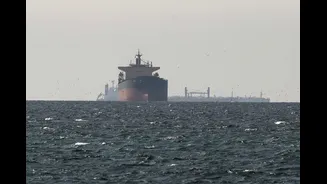
According to Politico, the USS Nimitz aircraft carrier strike group was sent to the Caribbean on the same day that authorities in Washington indicted Raúl Castro, the former Cuban president. The Nimitz was accompanied by several guided missile destroyers and cruisers that have precision missile launch capabilities.
A number of high-tech American drones and surveillance aircraft have also been circling Cuba for months. The USS Kearsarge amphibious ships and escorts, which carry 2,500 Marines, are off the coast of Virginia and preparing for a new deployment.
Meanwhile, the administration is publicly discussing their plan for Cuba.

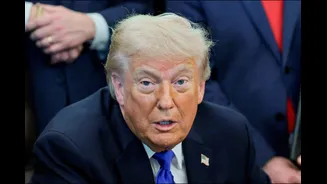
“Other presidents have looked at this for 50, 60 years, doing something,” Trump told reporters at the White House. “And it looks like I’ll be the one who does it. So I would be happy to do it.”
Cuba is “in a lot of trouble,” Secretary of State Marco Rubio said this week. “Having a failed state 90 miles (144 kilometres) from our shores is a threat to the national security of the United States.”
Rubio said Cuba was accustomed to “buying time and waiting us out”, adding that the administration was “very serious” and “very focused”.
Some say the United States could be in for a tough fight if it puts boots on the ground.
Richard Feinberg, a former National Security Council director for Latin America, told The Economist there are three possible operations: Trump revives a Venezuela-type operation to nab Raúl Castro; the US conducts limited military strikes to bring the regime to the bargaining table; or the US launches an invasion of Cuba. However, Trump has shown little appetite for putting boots on the ground during both the Venezuela operation and the Iran conflict.
“The Nimitz is likely there primarily for intimidation, though it could be used in a military operation if needed,” ex-Pentagon official Mark Cancian, a senior analyst at the Center for Strategic and International Studies, told
Politico. “Air strikes are possible to take out their air defences to allow broader air operations or, perhaps, destroy their leadership with the idea of establishing a relationship as we have with Venezuela. Raúl Castro would be their first target.”

Military historian Hal Klepak told CNN: “They have shown, as we’ve seen over and over again in natural disasters, that they are capable of mobilising the population; they are capable of getting people out.”
Others say the might of the Cuban forces is likely overestimated. “They have only around 40,000–45,000 active duty soldiers, the equipment is old and fuel is scarce. It’s really a shell of what it used to be,” former Pentagon official Frank Mora told The Economist.
Those in Cuba say they are fully prepared.
“We are ready,” Cuban President Miguel Díaz-Canel said on May Day, as per CNN. “And I say it with a profound conviction that I have shared with my family, to give our lives for the revolution.”
“I prefer to die than be a colony of Donald Trump,” a government worker told The Economist.
Others are equally vociferous about their dire circumstances.
“When is Donald Trump coming?” Brián Zulueta, a former fireman who sells fruit in Havana, asked. This is despite his fear of violence or that Rubio would be put in charge. “We need change,” he added. “Things can’t get worse.”
“When you wake up and have no electricity, or when the meagre food supplies that many people do possess end up spoiling, or when you see schools telling parents to pick up their children due to the blackouts and the sweltering heat, none of that old stuff matters any more,” a history teacher in Havana added.
1. Is the US planning to invade Cuba?
There is no official confirmation, but military movements and political rhetoric have fuelled speculation about possible action.
2. Why is Cuba important to the United States?
Because of its proximity and historical Cold War tensions.
3. How strong is Cuba’s military today?
Experts say it is relatively small and under-resourced, though capable of mobilisation and resistance.
With inputs from agencies
The administration, which has already hit Venezuela this year and captured Nicolás Maduro, and is currently embroiled in a conflict with Iran, has turned its eye on Havana.
The development comes in the backdrop of Washington’s blockade of Cuba, which experts say is putting the island’s development and human rights at risk. Trump earlier this year threatened to impose tariffs on any nation sending oil to Havana. Only Russia has continued to send shipments to Cuba.
But is an invasion of Cuba next? What do we know?
Let’s take a closer look:
Brief look at US-Cuba history
First, let’s take a brief look at the history between the United States and Cuba.
Fidel Castro came to power in 1959 by overthrowing the US-backed Fulgencio Batista’s dictatorship. By then, the United States was already locked with the then Soviet Union in the Cold War in what it viewed as a titanic struggle for the future of humanity. The establishment of a socialist state so close to the United States and its relationship with the Soviets, with whom it had inked a trade pact, unnerved Washington.
In January 1961, then outgoing President Dwight D Eisenhower broke off relations with Cuba, which is why the United States has been attempting to conduct what it euphemistically refers to as ‘regime change’ in Cuba ever since. Arguably the most famous such exercise was the failed Bay of Pigs in 1961, when the US government under then President John F Kennedy backed 1,500 exiles against Castro. The incident was an utter fiasco, and the reputation of the US government was left battered.
People pass near a poster of (L-R) Cuban late leader Fidel Castro, Former president Raul Castro and President Miguel Diaz Canel, in Havana. AFP
Cuba has been under a US embargo, both politically and diplomatically, ever since. During the 1960s, the US Central Intelligence Agency even came up with plans to poison Castro via his beloved Cuban cigars. He is said to have survived myriad assassination attempts.
From President Ronald Reagan to George HW Bush, Bill Clinton and George W Bush, each successive US president seemed to tighten the noose around Cuba even further. Only President Barack Obama, who declared US policy on Cuba to be a failure, sought to normalise ties and even met then Cuban President Raúl Castro in 2008. In 2014, Obama restored US relations with the island nation.
However, Trump, who succeeded Obama as president, completely reversed course during his first term, imposing new sanctions and declaring Cuba to be a sponsor of terror. While the Biden administration that followed somewhat loosened restrictions, Trump, during his second term, has cracked down on Cuba harder than ever.
Is Cuba next?
The signs point to it.
According to Politico, the USS Nimitz aircraft carrier strike group was sent to the Caribbean on the same day that authorities in Washington indicted Raúl Castro, the former Cuban president. The Nimitz was accompanied by several guided missile destroyers and cruisers that have precision missile launch capabilities.
A number of high-tech American drones and surveillance aircraft have also been circling Cuba for months. The USS Kearsarge amphibious ships and escorts, which carry 2,500 Marines, are off the coast of Virginia and preparing for a new deployment.
Meanwhile, the administration is publicly discussing their plan for Cuba.
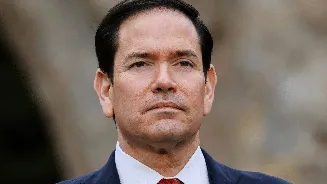
US Secretary of State Marco Rubio this week said Cuba 'is in a lot of trouble'.
“Other presidents have looked at this for 50, 60 years, doing something,” Trump told reporters at the White House. “And it looks like I’ll be the one who does it. So I would be happy to do it.”
Cuba is “in a lot of trouble,” Secretary of State Marco Rubio said this week. “Having a failed state 90 miles (144 kilometres) from our shores is a threat to the national security of the United States.”
Rubio said Cuba was accustomed to “buying time and waiting us out”, adding that the administration was “very serious” and “very focused”.
What do experts say?
Some say the United States could be in for a tough fight if it puts boots on the ground.
Richard Feinberg, a former National Security Council director for Latin America, told The Economist there are three possible operations: Trump revives a Venezuela-type operation to nab Raúl Castro; the US conducts limited military strikes to bring the regime to the bargaining table; or the US launches an invasion of Cuba. However, Trump has shown little appetite for putting boots on the ground during both the Venezuela operation and the Iran conflict.
“The Nimitz is likely there primarily for intimidation, though it could be used in a military operation if needed,” ex-Pentagon official Mark Cancian, a senior analyst at the Center for Strategic and International Studies, told
Cuba has struggled for decades under a US trade embargo first imposed after the 1959 revolution led by Fidel Castro. AFP
Military historian Hal Klepak told CNN: “They have shown, as we’ve seen over and over again in natural disasters, that they are capable of mobilising the population; they are capable of getting people out.”
Others say the might of the Cuban forces is likely overestimated. “They have only around 40,000–45,000 active duty soldiers, the equipment is old and fuel is scarce. It’s really a shell of what it used to be,” former Pentagon official Frank Mora told The Economist.
Those in Cuba say they are fully prepared.
“We are ready,” Cuban President Miguel Díaz-Canel said on May Day, as per CNN. “And I say it with a profound conviction that I have shared with my family, to give our lives for the revolution.”
“I prefer to die than be a colony of Donald Trump,” a government worker told The Economist.
Others are equally vociferous about their dire circumstances.
“When is Donald Trump coming?” Brián Zulueta, a former fireman who sells fruit in Havana, asked. This is despite his fear of violence or that Rubio would be put in charge. “We need change,” he added. “Things can’t get worse.”
“When you wake up and have no electricity, or when the meagre food supplies that many people do possess end up spoiling, or when you see schools telling parents to pick up their children due to the blackouts and the sweltering heat, none of that old stuff matters any more,” a history teacher in Havana added.
FAQs
1. Is the US planning to invade Cuba?
There is no official confirmation, but military movements and political rhetoric have fuelled speculation about possible action.
2. Why is Cuba important to the United States?
Because of its proximity and historical Cold War tensions.
3. How strong is Cuba’s military today?
Experts say it is relatively small and under-resourced, though capable of mobilisation and resistance.
With inputs from agencies