






What is the story about?
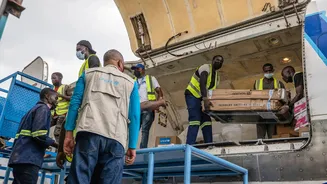
The Ebola outbreak has spread panic across the globe. The disease, which has been linked to more than 130 deaths in the eastern Democratic Republic of Congo (DRC), has been declared a Public Health Emergency of International Concern (PHEIC) by the World Health Organization (WHO).
A rare type of the Ebola virus has caused hundreds of suspected infections in the DRC and its neighbouring Uganda. As the WHO sounds an alarm, India has ramped up surveillance and preparedness measures across the country.
Let’s take a closer look.
As of May 20, the Bundibugyo strain, a rare type of the Ebola virus, has led to 139 deaths and 600 suspected cases in the DRC and Uganda.
Of these, 51 cases have been confirmed in the DRC’s northern provinces of Ituri and North Kivu.
Uganda has also confirmed two cases in Kampala, including one casualty. These people had travelled from the DRC to Uganda.
An American citizen, a missionary physician identified as Peter Stafford, has also been confirmed to have the virus, which he is believed to have contracted during his work in the DRC. He has been evacuated for treatment in Germany, which has “previous experience caring for Ebola patients,” according to the US Centers for Disease Control and Prevention (CDC).
The WHO has declared the situation “a public health emergency of international concern,” its second-highest alert level, given the initial suspected cases and “significant uncertainties” about the extent of the spread.
The United Nations health agency said on Wednesday (May 20) that the outbreak in the DRC probably began two months ago and is likely to grow.
According to WHO experts, the first suspected Ebola death was reported on April 20.
After the first casualty, a suspected super-spreader event occurred at a funeral or a healthcare facility, Reuters reported.
Bundibugyo causes flu-like symptoms such as fever, aches, vomiting and diarrhoea. As the disease progresses, it could cause internal and external bleeding.
People usually get infected with orthoebolaviruses, the group of viruses that cause Ebola, after coming in direct contact with bodily fluids — such as blood, faeces, saliva, breast milk, amniotic fluid and semen – of the sick person or those who died from the infection.
“It is not a subtle airborne infection that you can get from people who are presymptomatic, like we see with flu and COVID,” Jeanne Marrazzo, chief executive officer of the Infectious Disease Society of America and former director of the US National Institute of Allergy and Infectious Diseases (NIAID), told
Scientific American.
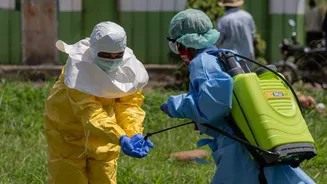
Caregivers, healthcare workers, and communities looking after patients without protective equipment are vulnerable to the virus. Healthcare workers are more at risk as they can get infected while handling patients.
As per Times of India (TOI), even small outbreaks can spread quickly in overcrowded hospitals, refugee settlements, conflict zones, or remote mining regions with limited hygiene measures.
The current Ebola outbreak is suspected to have originated in the mining areas of eastern Congo before transmitting across vulnerable border regions.
Public health officials believe the virus circulated silently for weeks before it was detected.
Public health experts emphasise that the current Ebola outbreak turning into a pandemic threat is low.
WHO Director-General Tedros Adhanom Ghebreyesus told reporters in Geneva that the outbreak was a public health emergency of international concern but not a pandemic emergency.
“The WHO assess the risk of the epidemic as high at the national and regional levels and low at the global level,” Tedros said.
The rare Bundibugyo strain has, however, caused global concern as there are no vaccines or treatments for it. It is harder to diagnose and has a high fatality rate.
This rare strain of Ebola has an average fatality rate of around 40 per cent, according to the WHO.
“Not every pathogen has the ability to cause a pandemic,” Amesh Adalja, a senior scholar at the Johns Hopkins Center for Health Security, was quoted as saying by Scientific American. “People think it's either zero or pandemic.... There are many types of public health emergencies that fall short of a pandemic that are still important.”
There are no detected cases of Ebola in India so far, according to the Ministry of Health and Family Welfare.
However, after the WHO sounded its second-highest alarm about the outbreak in Africa, India has bolstered its surveillance and preparedness measures nationwide.
A high-level review meeting, chaired by Union Health Secretary Punya Salila Srivastava, was convened with health secretaries of all states and Union Territories to assess the country's preparedness and response measures.
States and Union Territories were advised to ensure readiness at all levels, sources told
NDTV.
"The Government of India remains fully vigilant and prepared to respond swiftly to any emerging situation," sources said. They added that "there is no cause for panic" and citizens should continue to follow official advisories and updates.
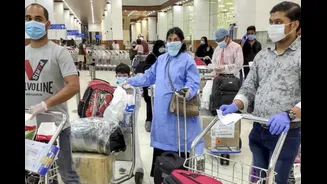
Meanwhile, the Union health ministry has issued an advisory for travellers coming from the DRC, Uganda and South Sudan to Indian ports, airports, and all points of entry to the country. They have been told to contact the airport health officer or health desk before going to the immigration check if they experience any symptoms.
“India’s disease surveillance systems, laboratory capabilities and airport screening infrastructure are significantly stronger today than they were in previous decades. However, in an interconnected world, infectious diseases can no longer be viewed as isolated regional problems,” Dr Rohit Garg, Infectious Disease Specialist, Amrita Hospital, Faridabad, told TOI.
The Ebola outbreak has once again put the spotlight on how interconnected the world is, as global travel has transformed the extent of the spread of diseases.
With inputs from agencies
A rare type of the Ebola virus has caused hundreds of suspected infections in the DRC and its neighbouring Uganda. As the WHO sounds an alarm, India has ramped up surveillance and preparedness measures across the country.
Let’s take a closer look.
How many Ebola cases have been recorded?
As of May 20, the Bundibugyo strain, a rare type of the Ebola virus, has led to 139 deaths and 600 suspected cases in the DRC and Uganda.
Of these, 51 cases have been confirmed in the DRC’s northern provinces of Ituri and North Kivu.
Uganda has also confirmed two cases in Kampala, including one casualty. These people had travelled from the DRC to Uganda.
An American citizen, a missionary physician identified as Peter Stafford, has also been confirmed to have the virus, which he is believed to have contracted during his work in the DRC. He has been evacuated for treatment in Germany, which has “previous experience caring for Ebola patients,” according to the US Centers for Disease Control and Prevention (CDC).
The WHO has declared the situation “a public health emergency of international concern,” its second-highest alert level, given the initial suspected cases and “significant uncertainties” about the extent of the spread.
Why the Ebola virus is spreading fast
The United Nations health agency said on Wednesday (May 20) that the outbreak in the DRC probably began two months ago and is likely to grow.
According to WHO experts, the first suspected Ebola death was reported on April 20.
After the first casualty, a suspected super-spreader event occurred at a funeral or a healthcare facility, Reuters reported.
Bundibugyo causes flu-like symptoms such as fever, aches, vomiting and diarrhoea. As the disease progresses, it could cause internal and external bleeding.
People usually get infected with orthoebolaviruses, the group of viruses that cause Ebola, after coming in direct contact with bodily fluids — such as blood, faeces, saliva, breast milk, amniotic fluid and semen – of the sick person or those who died from the infection.
“It is not a subtle airborne infection that you can get from people who are presymptomatic, like we see with flu and COVID,” Jeanne Marrazzo, chief executive officer of the Infectious Disease Society of America and former director of the US National Institute of Allergy and Infectious Diseases (NIAID), told
Caregivers, healthcare workers, and communities looking after patients without protective equipment are vulnerable to the virus. Healthcare workers are more at risk as they can get infected while handling patients.
As per Times of India (TOI), even small outbreaks can spread quickly in overcrowded hospitals, refugee settlements, conflict zones, or remote mining regions with limited hygiene measures.
The current Ebola outbreak is suspected to have originated in the mining areas of eastern Congo before transmitting across vulnerable border regions.
Public health officials believe the virus circulated silently for weeks before it was detected.
Can it be the next pandemic?
Public health experts emphasise that the current Ebola outbreak turning into a pandemic threat is low.
WHO Director-General Tedros Adhanom Ghebreyesus told reporters in Geneva that the outbreak was a public health emergency of international concern but not a pandemic emergency.
“The WHO assess the risk of the epidemic as high at the national and regional levels and low at the global level,” Tedros said.
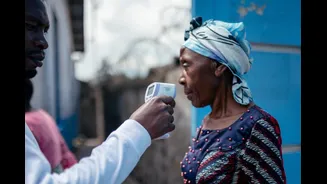
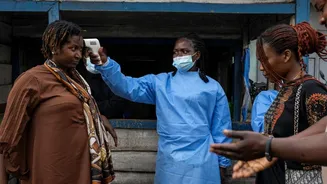
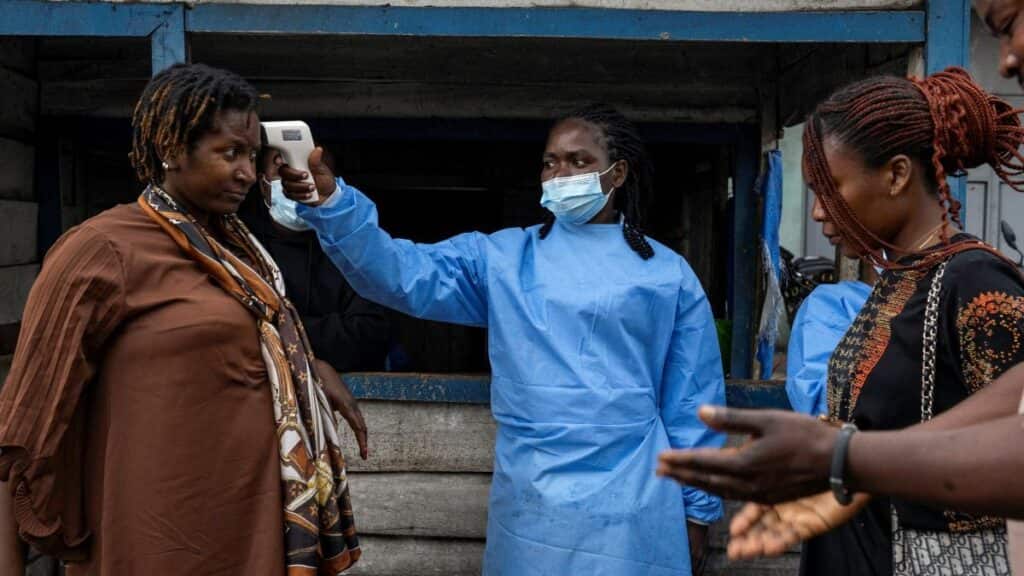
A health worker takes the temperature of a woman passing through the Kanyaruchinya checkpoint in the northern entry into the city of Goma, North Kivu province, the Democratic Republic of the Congo, following the Ebola outbreak, May 20, 2026. Reuters
The rare Bundibugyo strain has, however, caused global concern as there are no vaccines or treatments for it. It is harder to diagnose and has a high fatality rate.
This rare strain of Ebola has an average fatality rate of around 40 per cent, according to the WHO.
“Not every pathogen has the ability to cause a pandemic,” Amesh Adalja, a senior scholar at the Johns Hopkins Center for Health Security, was quoted as saying by Scientific American. “People think it's either zero or pandemic.... There are many types of public health emergencies that fall short of a pandemic that are still important.”
How prepared is India?
There are no detected cases of Ebola in India so far, according to the Ministry of Health and Family Welfare.
However, after the WHO sounded its second-highest alarm about the outbreak in Africa, India has bolstered its surveillance and preparedness measures nationwide.
A high-level review meeting, chaired by Union Health Secretary Punya Salila Srivastava, was convened with health secretaries of all states and Union Territories to assess the country's preparedness and response measures.
States and Union Territories were advised to ensure readiness at all levels, sources told
"The Government of India remains fully vigilant and prepared to respond swiftly to any emerging situation," sources said. They added that "there is no cause for panic" and citizens should continue to follow official advisories and updates.
Meanwhile, the Union health ministry has issued an advisory for travellers coming from the DRC, Uganda and South Sudan to Indian ports, airports, and all points of entry to the country. They have been told to contact the airport health officer or health desk before going to the immigration check if they experience any symptoms.
“India’s disease surveillance systems, laboratory capabilities and airport screening infrastructure are significantly stronger today than they were in previous decades. However, in an interconnected world, infectious diseases can no longer be viewed as isolated regional problems,” Dr Rohit Garg, Infectious Disease Specialist, Amrita Hospital, Faridabad, told TOI.
The Ebola outbreak has once again put the spotlight on how interconnected the world is, as global travel has transformed the extent of the spread of diseases.
With inputs from agencies