








What is the story about?
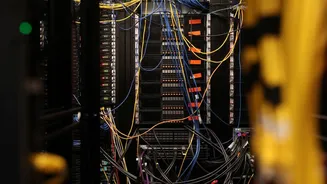
For decades, farmers in parts of Visakhapatnam cultivated mangoes and cashews on sprawling stretches of coastal land. Now, many of those fields are being cleared for something entirely different: giant AI data centres designed to power the future of artificial intelligence.
The transformation is unfolding rapidly in the Andhra Pradesh city, where Google and its partners are building what is expected to become India’s first major AI-focused data-centre hub for a US technology company. The scale is staggering. State planning documents suggest the project could eventually span more than 600 acres across three separate sites, covering an area equivalent to nearly 454 football fields.
But beneath promises of digital progress and investment lies a growing unease.
Residents worry that the arrival of AI infrastructure could drain already limited resources, uproot farming communities and deepen inequalities in a region where many people still struggle with basic necessities like reliable water access.
The Wall Street Journal reports that some locals had barely heard of AI chatbots such as ChatGPT or Gemini before surveyors and officials arrived in their villages. What they do understand, however, is that data centres require enormous amounts of water and electricity to function, particularly to cool servers running energy-intensive AI systems.
That is causing alarm in a city already classified by the World Resources Institute as facing “extremely high” water stress. In some neighbourhoods of Visakhapatnam, residents reportedly receive tap water for less than an hour a day.
The Andhra Pradesh government has rolled out extraordinary incentives to attract Google’s investment, reflecting India’s determination not to fall behind in the global AI race.
According to government documents, the state is offering Google a 25 per cent discount on water costs for a decade, alongside a similar discount on land prices. Additional benefits reportedly include electricity infrastructure reimbursements, state tax waivers and reduced power costs.
Over 20 years, the subsidies could amount to roughly $2.3 billion, while Google and its local partners are expected to invest billions more into the project.
Officials view the development as essential for India’s technological future. India’s booming digital economy and massive internet user base make it one of the world’s fastest-growing AI markets. OpenAI’s ChatGPT already has around 100 million weekly users in India, while Anthropic recently opened an office in Bengaluru, describing the country as Claude’s second-largest market globally.
Indian policymakers are also under pressure because of fears that AI could disrupt the country’s massive technology outsourcing industry. This year, Indian IT firms lost billions in market value amid concerns that generative AI tools may replace portions of the software services and labour India exports worldwide.
For governments, attracting AI infrastructure has become a strategic necessity.
Yet critics say the rush is happening without enough public discussion about the environmental and social consequences.
Rights groups have questioned whether Visakhapatnam can realistically support large-scale AI infrastructure while already battling water shortages, reports the Wall Street Journal. If the project eventually operates at full capacity, estimates suggest it could consume electricity equivalent to the annual usage of around six million people in India.
Farmers facing displacement say they are being pushed into an uncertain future. While the government technically owns portions of the land, residents who have cultivated it for decades say they are being forced out. Compensation packages reportedly offer up to four million rupees, roughly $42,000, per acre, while some families may receive smaller replacement plots elsewhere.
Many remain unconvinced.
According to the reports, locals fear the compensation money will eventually run out, while the reduced farmland may no longer support sustainable agriculture. For families dependent on farming for generations, the prospect of losing land carries emotional as well as economic consequences.
The tensions unfolding in Visakhapatnam are not unique.
Across the developing world, governments are aggressively courting companies such as Google, Amazon and Microsoft as global demand for AI infrastructure explodes. Data-centre capacity in India alone is forecast by Morgan Stanley to increase fivefold to around 10 gigawatts over the next five years.
But resistance is growing alongside expansion.
Nations including Malaysia, Thailand, Kenya and the Philippines are witnessing some of the world’s fastest expansions in AI and cloud data centres, with industry analysts at Structure Research predicting annual growth rates of 20 to 40 per cent through 2030, outpacing even the United States.
The rapid growth is placing increasing pressure on developing economies that are already grappling with limited public finances and competing infrastructure priorities. Despite this, several governments are offering generous incentives worth billions of dollars to attract global technology companies.
Public backlash has begun surfacing in parts of Southeast Asia. Demonstrations have erupted in Johor Bahru in Malaysia and Batam in Indonesia, both emerging as alternative hubs after neighbouring Singapore tightened rules on new data-centre construction. Protesters have raised fears over rising pressure on water reserves, electricity supplies and local infrastructure.
Similar battles have already played out in wealthier countries, where residents have protested against data centres over concerns related to water usage, electricity demand and environmental strain. Now, those anxieties are spreading across developing nations where infrastructure is often weaker and resources more limited.
The irony is difficult to ignore. AI is marketed as the technology of the future, promising efficiency, innovation and economic growth. Yet in places like Visakhapatnam, many residents fear that the price of entering that future may ultimately be paid by communities already struggling to hold onto land, water and livelihoods.
The transformation is unfolding rapidly in the Andhra Pradesh city, where Google and its partners are building what is expected to become India’s first major AI-focused data-centre hub for a US technology company. The scale is staggering. State planning documents suggest the project could eventually span more than 600 acres across three separate sites, covering an area equivalent to nearly 454 football fields.
But beneath promises of digital progress and investment lies a growing unease.
Residents worry that the arrival of AI infrastructure could drain already limited resources, uproot farming communities and deepen inequalities in a region where many people still struggle with basic necessities like reliable water access.
The Wall Street Journal reports that some locals had barely heard of AI chatbots such as ChatGPT or Gemini before surveyors and officials arrived in their villages. What they do understand, however, is that data centres require enormous amounts of water and electricity to function, particularly to cool servers running energy-intensive AI systems.
That is causing alarm in a city already classified by the World Resources Institute as facing “extremely high” water stress. In some neighbourhoods of Visakhapatnam, residents reportedly receive tap water for less than an hour a day.
Google data centre in Vizag: Is it a warning sign?
The Andhra Pradesh government has rolled out extraordinary incentives to attract Google’s investment, reflecting India’s determination not to fall behind in the global AI race.
According to government documents, the state is offering Google a 25 per cent discount on water costs for a decade, alongside a similar discount on land prices. Additional benefits reportedly include electricity infrastructure reimbursements, state tax waivers and reduced power costs.
Over 20 years, the subsidies could amount to roughly $2.3 billion, while Google and its local partners are expected to invest billions more into the project.
Officials view the development as essential for India’s technological future. India’s booming digital economy and massive internet user base make it one of the world’s fastest-growing AI markets. OpenAI’s ChatGPT already has around 100 million weekly users in India, while Anthropic recently opened an office in Bengaluru, describing the country as Claude’s second-largest market globally.
Indian policymakers are also under pressure because of fears that AI could disrupt the country’s massive technology outsourcing industry. This year, Indian IT firms lost billions in market value amid concerns that generative AI tools may replace portions of the software services and labour India exports worldwide.
For governments, attracting AI infrastructure has become a strategic necessity.
Yet critics say the rush is happening without enough public discussion about the environmental and social consequences.
Rights groups have questioned whether Visakhapatnam can realistically support large-scale AI infrastructure while already battling water shortages, reports the Wall Street Journal. If the project eventually operates at full capacity, estimates suggest it could consume electricity equivalent to the annual usage of around six million people in India.
Farmers facing displacement say they are being pushed into an uncertain future. While the government technically owns portions of the land, residents who have cultivated it for decades say they are being forced out. Compensation packages reportedly offer up to four million rupees, roughly $42,000, per acre, while some families may receive smaller replacement plots elsewhere.
Many remain unconvinced.
According to the reports, locals fear the compensation money will eventually run out, while the reduced farmland may no longer support sustainable agriculture. For families dependent on farming for generations, the prospect of losing land carries emotional as well as economic consequences.
Countries are protesting against AI data centres
The tensions unfolding in Visakhapatnam are not unique.
Across the developing world, governments are aggressively courting companies such as Google, Amazon and Microsoft as global demand for AI infrastructure explodes. Data-centre capacity in India alone is forecast by Morgan Stanley to increase fivefold to around 10 gigawatts over the next five years.
But resistance is growing alongside expansion.
Nations including Malaysia, Thailand, Kenya and the Philippines are witnessing some of the world’s fastest expansions in AI and cloud data centres, with industry analysts at Structure Research predicting annual growth rates of 20 to 40 per cent through 2030, outpacing even the United States.
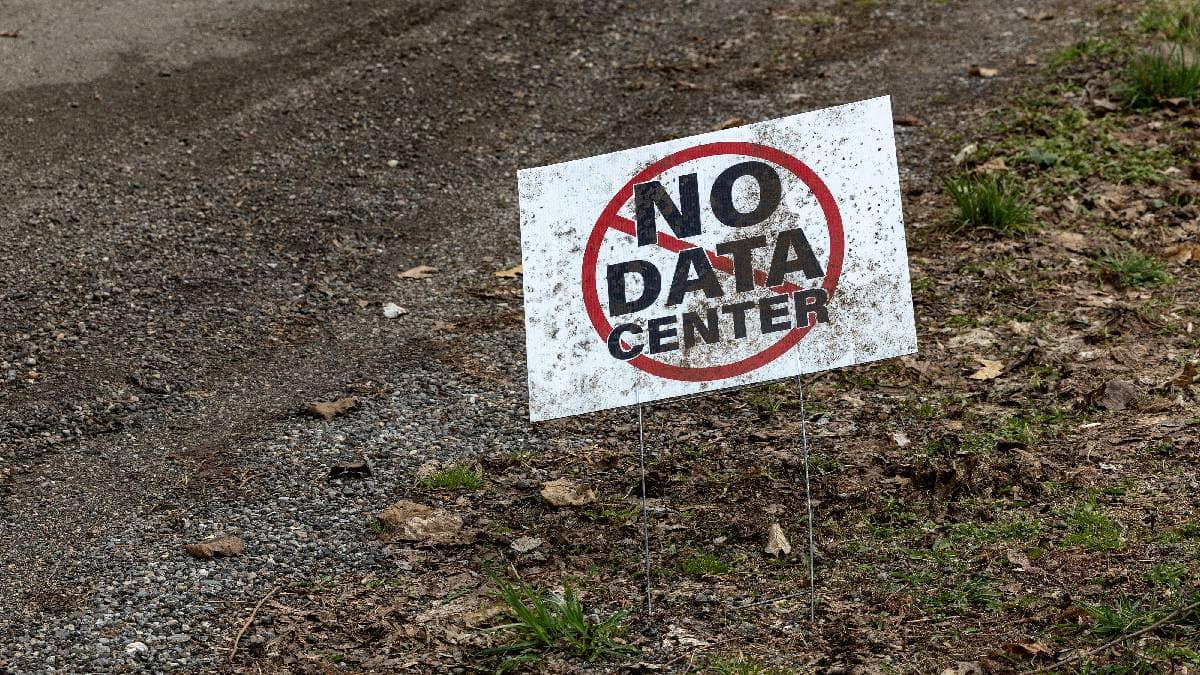
A sign that reads "No data center" sits outside a home in New Carlisle, Indiana, U.S., March 23, 2026. REUTERS/Jim Vondruska
The rapid growth is placing increasing pressure on developing economies that are already grappling with limited public finances and competing infrastructure priorities. Despite this, several governments are offering generous incentives worth billions of dollars to attract global technology companies.
Public backlash has begun surfacing in parts of Southeast Asia. Demonstrations have erupted in Johor Bahru in Malaysia and Batam in Indonesia, both emerging as alternative hubs after neighbouring Singapore tightened rules on new data-centre construction. Protesters have raised fears over rising pressure on water reserves, electricity supplies and local infrastructure.
Similar battles have already played out in wealthier countries, where residents have protested against data centres over concerns related to water usage, electricity demand and environmental strain. Now, those anxieties are spreading across developing nations where infrastructure is often weaker and resources more limited.
The irony is difficult to ignore. AI is marketed as the technology of the future, promising efficiency, innovation and economic growth. Yet in places like Visakhapatnam, many residents fear that the price of entering that future may ultimately be paid by communities already struggling to hold onto land, water and livelihoods.