




What is the story about?
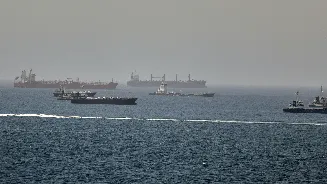
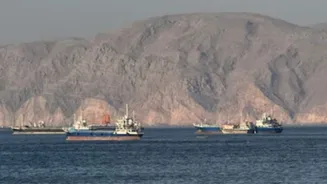
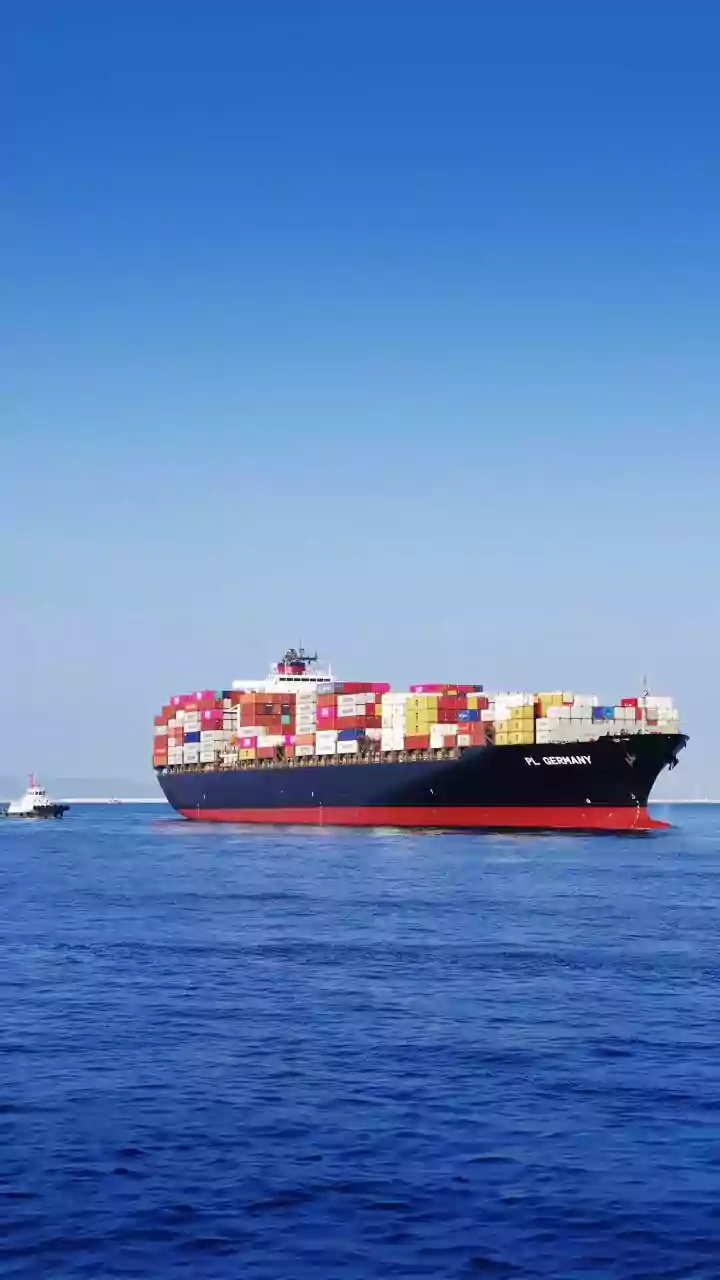
Iran has announced plans to introduce maritime transit fees for ships passing through the Strait of Hormuz within two months, following a 60-day negotiation period under the recently signed memorandum of understanding (MoU) with the United States,
The Guardian reported.
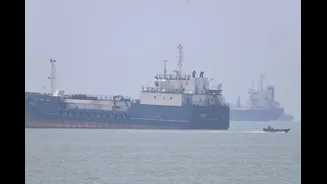
The move comes after Washington lifted its blockade on Iran, allowing oil tankers to resume operations through one of the world's most critical shipping routes.
Tehran described the agreement with the US as a major diplomatic victory and stressed that the Strait of Hormuz remains under Iranian control. Iranian officials also signalled opposition to any European-led naval escort mission in the waterway.
The proposed transit fees are expected to be discussed during upcoming technical negotiations on implementing the 14-point US-Iran agreement. Iranian officials have argued that the strategic shipping lane requires closer management following the conflict.
Iranian chief negotiator Mohammad Bagher Ghalibaf suggested that future navigation through the strait would come at a cost, saying the waterway needed to be properly managed.
The proposal drew swift criticism from Saudi Arabia.
Saudi Foreign Minister Prince Faisal bin Farhan Al Saud said the strait had functioned effectively before the conflict and questioned the need for any new arrangements.
"The management of the strait was working fine before the conflict. There were no issues. Ships were navigating freely. There was no safety issue. There was no environmental issue," he said.
"So why should we now, as a result of a conflict, accept some novel arrangement that is going to be imposed on it? That, to me, doesn't make sense."
The announcement comes amid continued regional tensions despite the US-Iran agreement.
Israeli Prime Minister Benjamin Netanyahu said Israel would maintain its security zone in southern Lebanon for as long as necessary.
"We will maintain the security zone in south Lebanon as long as our security needs require it," Netanyahu was quoted as saying by Israeli media.
He also reiterated that Israel remained committed to preventing Iran from acquiring nuclear weapons.
Iran, however, has argued that the agreement's commitment to Lebanon's territorial integrity requires a full Israeli withdrawal from southern Lebanon and has placed responsibility on US President Donald Trump to ensure compliance.
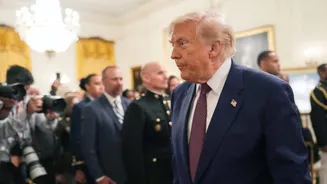
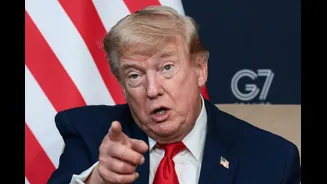
Following the signing of the agreement, Trump said Washington expected a complete cessation of hostilities across the region.
"We encourage everyone in the Middle East region to maintain their commitment to allowing our negotiations to beautifully unfold," Trump wrote on Truth Social.
The US-Iran agreement calls for a ceasefire across all fronts, including Lebanon, Hezbollah and Israel.
According to reports, Iran's Supreme Leader, Mojtaba Khamenei, has approved the agreement and endorsed direct negotiations with the Trump administration.
He reportedly said Trump had "used all kinds of levers" to secure the deal and characterised the agreement as a result of US pressure to end the conflict.
Despite the diplomatic breakthrough, fighting has continued in parts of southern Lebanon. Israeli drone strikes and artillery fire were reported on Thursday, while Hezbollah claimed attacks on Israeli forces near Kfar Tebnit and Ali al-Taher.
The agreement has also generated criticism within Israel, where some political commentators and officials have questioned the outcome of the conflict and Washington's handling of negotiations.
US Vice President JD Vance defended Trump and criticised Israeli opponents of the deal.
"Donald J. Trump is the only head of state in the entire world who's sympathetic to the nation of Israel at this moment in time," Vance said.
"If I was in the cabinet of the Israeli government, I might not be attacking the only powerful ally that I have anywhere left in the entire world."
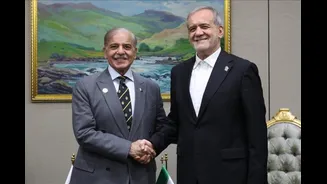
A planned ceremony in Switzerland to formally mark the signing of the agreement has been cancelled, although Trump and Iranian President Masoud Pezeshkian have already signed the document in English and Farsi.
The cancellation means Pakistani Prime Minister Shehbaz Sharif will no longer travel to Switzerland for the event.
However, technical-level discussions are expected to proceed at the Bürgenstock resort near Lake Lucerne. The talks will focus on implementing the agreement, including sanctions relief for Iranian oil exports, restoring commercial shipping through the Strait of Hormuz and establishing mechanisms for long-term compliance.
The United Arab Emirates has also weighed in on the region's future, saying its security cooperation with Israel strengthened during the conflict and would continue despite ongoing challenges.
At the same time, Iranian officials are seeking regional support for a proposed $350 billion reconstruction fund that Washington has reportedly agreed to help establish.
Iran's Economy Minister Seyed Ali Madanizadeh cautioned that the lifting of restrictions on oil exports would not immediately resolve the country's economic challenges, signalling that recovery will take time despite the diplomatic breakthrough.
The move comes after Washington lifted its blockade on Iran, allowing oil tankers to resume operations through one of the world's most critical shipping routes.
Iran signals new rules for Strait of Hormuz
Tehran described the agreement with the US as a major diplomatic victory and stressed that the Strait of Hormuz remains under Iranian control. Iranian officials also signalled opposition to any European-led naval escort mission in the waterway.
The proposed transit fees are expected to be discussed during upcoming technical negotiations on implementing the 14-point US-Iran agreement. Iranian officials have argued that the strategic shipping lane requires closer management following the conflict.
Iranian chief negotiator Mohammad Bagher Ghalibaf suggested that future navigation through the strait would come at a cost, saying the waterway needed to be properly managed.
Saudi Arabia rejects transit fee proposal
The proposal drew swift criticism from Saudi Arabia.
Saudi Foreign Minister Prince Faisal bin Farhan Al Saud said the strait had functioned effectively before the conflict and questioned the need for any new arrangements.
"The management of the strait was working fine before the conflict. There were no issues. Ships were navigating freely. There was no safety issue. There was no environmental issue," he said.
"So why should we now, as a result of a conflict, accept some novel arrangement that is going to be imposed on it? That, to me, doesn't make sense."
Lebanon remains flashpoint despite agreement
The announcement comes amid continued regional tensions despite the US-Iran agreement.
Israeli Prime Minister Benjamin Netanyahu said Israel would maintain its security zone in southern Lebanon for as long as necessary.
"We will maintain the security zone in south Lebanon as long as our security needs require it," Netanyahu was quoted as saying by Israeli media.
He also reiterated that Israel remained committed to preventing Iran from acquiring nuclear weapons.
Iran, however, has argued that the agreement's commitment to Lebanon's territorial integrity requires a full Israeli withdrawal from southern Lebanon and has placed responsibility on US President Donald Trump to ensure compliance.
Trump calls for ceasefire on all fronts
Following the signing of the agreement, Trump said Washington expected a complete cessation of hostilities across the region.
"We encourage everyone in the Middle East region to maintain their commitment to allowing our negotiations to beautifully unfold," Trump wrote on Truth Social.
The US-Iran agreement calls for a ceasefire across all fronts, including Lebanon, Hezbollah and Israel.
Khamenei backs negotiations with Washington
According to reports, Iran's Supreme Leader, Mojtaba Khamenei, has approved the agreement and endorsed direct negotiations with the Trump administration.
He reportedly said Trump had "used all kinds of levers" to secure the deal and characterised the agreement as a result of US pressure to end the conflict.
Despite the diplomatic breakthrough, fighting has continued in parts of southern Lebanon. Israeli drone strikes and artillery fire were reported on Thursday, while Hezbollah claimed attacks on Israeli forces near Kfar Tebnit and Ali al-Taher.
Israel debate intensifies over agreement
The agreement has also generated criticism within Israel, where some political commentators and officials have questioned the outcome of the conflict and Washington's handling of negotiations.
US Vice President JD Vance defended Trump and criticised Israeli opponents of the deal.
"Donald J. Trump is the only head of state in the entire world who's sympathetic to the nation of Israel at this moment in time," Vance said.
"If I was in the cabinet of the Israeli government, I might not be attacking the only powerful ally that I have anywhere left in the entire world."
Technical talks to continue in Switzerland
A planned ceremony in Switzerland to formally mark the signing of the agreement has been cancelled, although Trump and Iranian President Masoud Pezeshkian have already signed the document in English and Farsi.
The cancellation means Pakistani Prime Minister Shehbaz Sharif will no longer travel to Switzerland for the event.
However, technical-level discussions are expected to proceed at the Bürgenstock resort near Lake Lucerne. The talks will focus on implementing the agreement, including sanctions relief for Iranian oil exports, restoring commercial shipping through the Strait of Hormuz and establishing mechanisms for long-term compliance.
Gulf states watch post-conflict landscape
The United Arab Emirates has also weighed in on the region's future, saying its security cooperation with Israel strengthened during the conflict and would continue despite ongoing challenges.
At the same time, Iranian officials are seeking regional support for a proposed $350 billion reconstruction fund that Washington has reportedly agreed to help establish.
Iran's Economy Minister Seyed Ali Madanizadeh cautioned that the lifting of restrictions on oil exports would not immediately resolve the country's economic challenges, signalling that recovery will take time despite the diplomatic breakthrough.