








What is the story about?
At a time when multilingual releases are often seen as the ultimate marker of success, several monolingual films across languages proved that strong storytelling and cultural rootedness can drive massive box-office numbers on their own. From Gujarat to Bengal, Maharashtra to Punjab, these films became local phenomena, drawing packed theatres and loyal audiences, without relying on nationwide releases.
Hindi cinema saw a content-driven win with Dhurandhar, which continues to perform exceptionally well in global and international markets. Despite not being released in multi-languages, the film’s intense narrative, layered performances, flawless casting and gripping subject matter helped it pull audiences to theatres, proving that focused releases can still deliver solid returns.
Laalo emerged as a major success in Gujarati cinema, striking a chord with audiences through its emotional depth and relatable storytelling. The film’s strong word-of-mouth and cultural connect ensured a steady theatrical run, reaffirming that Gujarati films rooted in local sensibilities continue to thrive at the box office.
In Marathi cinema, Dashavatar delivered an impressive theatrical performance. Known for its spiritual and philosophical undertones, the film resonated deeply with Marathi-speaking audiences, turning into a box-office success driven by faith, tradition, and strong storytelling rather than large-scale marketing.
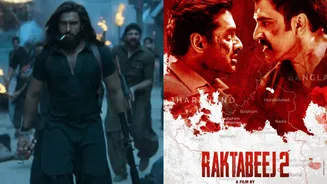
Bengali blockbuster Raktabeej 2 by Nandita Roy and Shiboprosad Mukherjee, further strengthened this trend. The film dominated the West Bengal box office with packed houses and sustained collections, showcasing how regional political thrillers can command massive audience interest when rooted in local realities and strong performances.
Punjabi cinema added to the list with the National-award winning, Godday Godday Cha 2, which enjoyed a robust theatrical run driven by humour, cultural familiarity, and franchise goodwill. Its success once again highlighted the loyal audience base Punjabi films enjoy within their core markets.
Hindi cinema saw a content-driven win with Dhurandhar, which continues to perform exceptionally well in global and international markets. Despite not being released in multi-languages, the film’s intense narrative, layered performances, flawless casting and gripping subject matter helped it pull audiences to theatres, proving that focused releases can still deliver solid returns.
Laalo emerged as a major success in Gujarati cinema, striking a chord with audiences through its emotional depth and relatable storytelling. The film’s strong word-of-mouth and cultural connect ensured a steady theatrical run, reaffirming that Gujarati films rooted in local sensibilities continue to thrive at the box office.
In Marathi cinema, Dashavatar delivered an impressive theatrical performance. Known for its spiritual and philosophical undertones, the film resonated deeply with Marathi-speaking audiences, turning into a box-office success driven by faith, tradition, and strong storytelling rather than large-scale marketing.
Bengali blockbuster Raktabeej 2 by Nandita Roy and Shiboprosad Mukherjee, further strengthened this trend. The film dominated the West Bengal box office with packed houses and sustained collections, showcasing how regional political thrillers can command massive audience interest when rooted in local realities and strong performances.
Punjabi cinema added to the list with the National-award winning, Godday Godday Cha 2, which enjoyed a robust theatrical run driven by humour, cultural familiarity, and franchise goodwill. Its success once again highlighted the loyal audience base Punjabi films enjoy within their core markets.