






What is the story about?
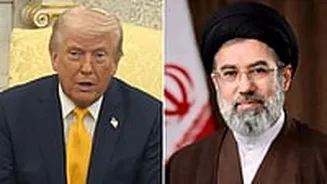
Since the US and Israel started a bombing campaign on Iran on February 28, Pakistan has emerged as a surprising broker of ceasefire negotiations. Islamabad is relaying proposals between Washington and Tehran and positioning itself as a go-between in the ongoing conflict.
However, the path for Pakistan is not easy. Along the way, the cash-strapped nation is facing embarrassments both from Iran and on the home front.
The recent social media post by its prime minister, Shehbaz Sharif, has sparked a serious debate not just about content but also about control, adding a new layer of controversy to Islamabad's role in the high-stakes diplomatic push.
We take a look.
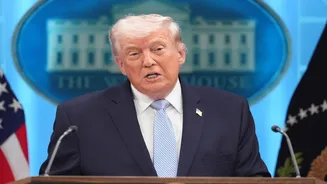
Prior to US President Donald Trump's announcement of a two-week ceasefire today (April 8), Pakistan's prime minister shared a post on X, urging POTUS and Iran to "peaceful settlement of the ongoing war in West Asia."
"Diplomatic efforts for peaceful settlement of the ongoing war in the Middle East are progressing steadily, strongly and powerfully with the potential to lead to substantive results in the near future. To allow diplomacy to run its course, I earnestly request that President Trump extend the deadline for two weeks." Sharif wrote on X.
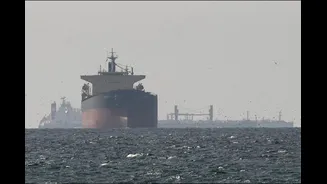
Adding, "Pakistan, in all sincerity, requests the Iranian brothers to open the Strait of Hormuz for a corresponding period of two weeks as a goodwill gesture..."
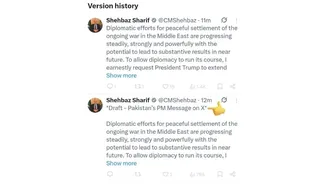
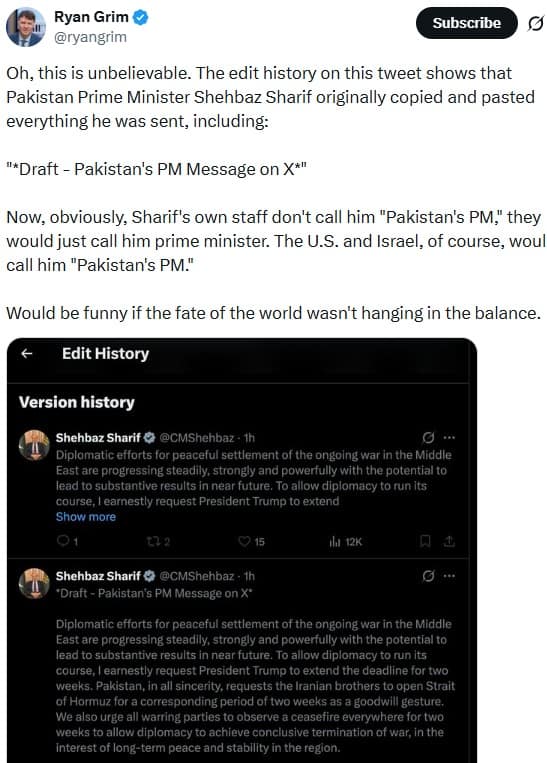
However, the users noticed something unusual in the post’s edit history, an earlier version labelled: "Draft - Pakistan’s PM Message on X.”
The draft version also appealed for diplomatic progress in the West Asia conflict and called for extending measures related to the conflict, but its edited history sparked buzz about whether the message was pre-scripted or even externally influenced.
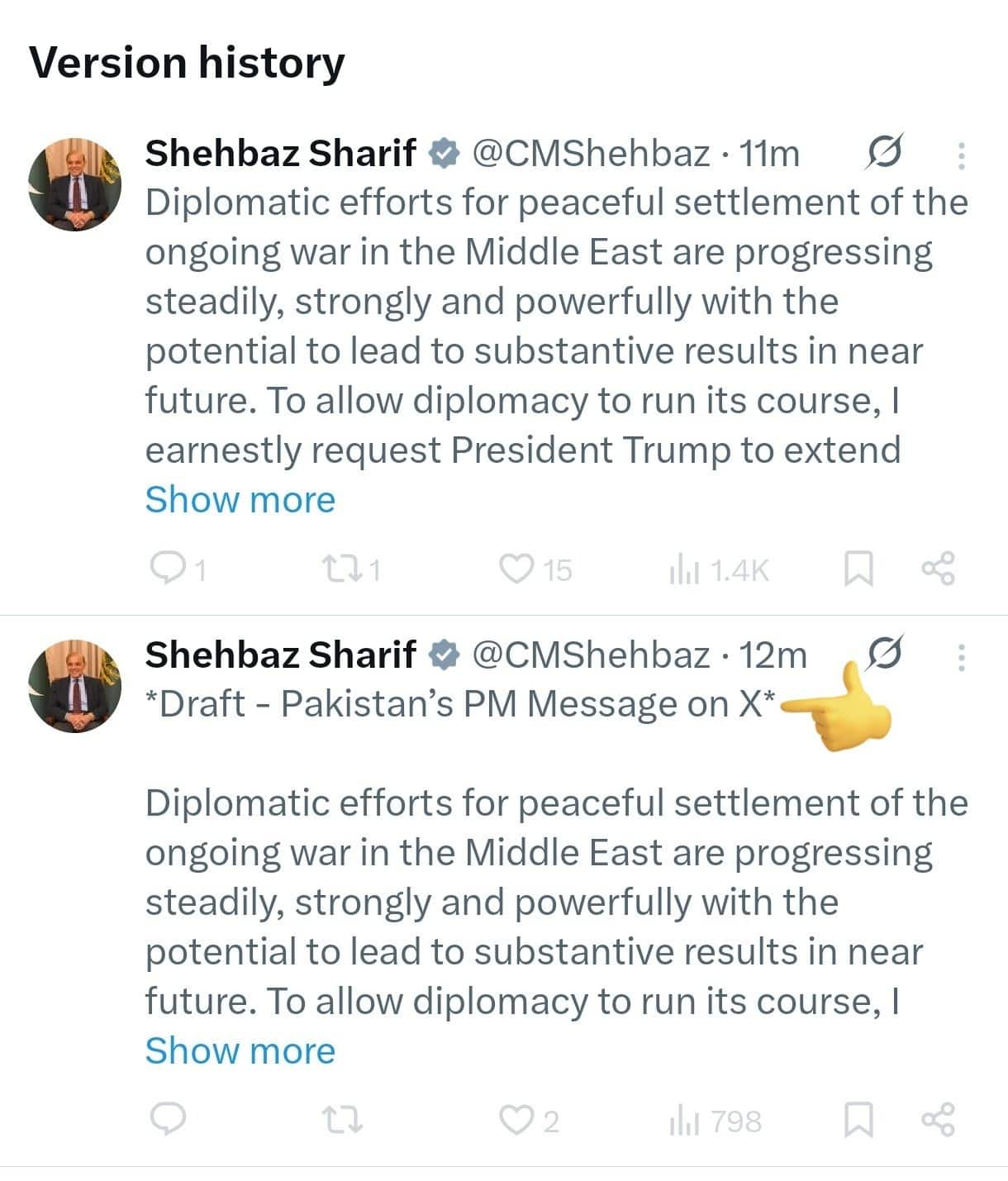
The word "Draft" in a diplomatic communication has drawn all the attention, while raising uncomfortable questions. Was it again a careless oversight by Pak’s communication team? Or does it denote something else that the message did not come from Pakistan’s leadership itself? Even the phrasing, “Pakistan’s PM," has raised eyebrows.
According to critics, it sounds less like a leader speaking and more like something written for him.
A founder of Drop Site Substack, Ryan Grim, suggested that the message may not have been written by Sharif, noting that his own communication team would not refer to him as “Pakistan’s PM." "The post could have been written by either the US or Israel," Grim argued as reported by Forbes.
Now, the development has fueled online debate, with many questioning whether Islamabad's diplomatic messaging is being independently crafted or externally influenced. Some even pointed to the draft as "White House instruction" for Pakistan.
A user said, "Trump isn’t just the President of the US; he’s the Editor-in-Chief of Pakistan’s social media. The remote controller..."
Another shared post pointed to the "Draft" line, claiming that Pakistan PM "seemingly forgot to remove what looks like a White House instruction."
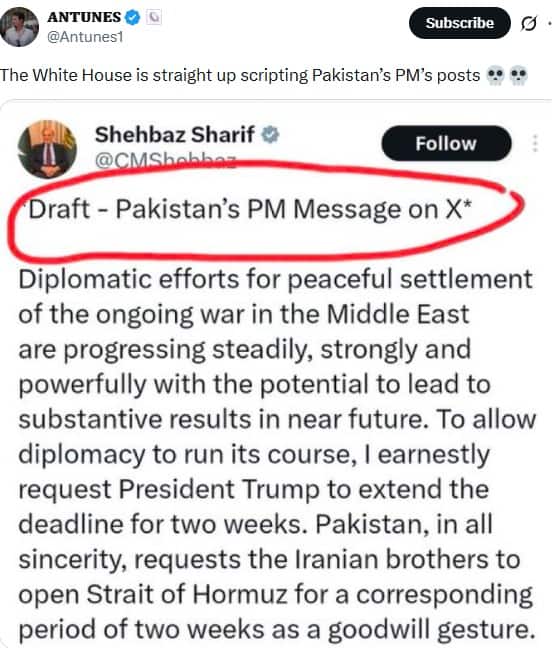
Another user on X asked why the initial version of the tweet included draft notes, referring to the prime minister in English, and described him as “Pakistan’s PM.”
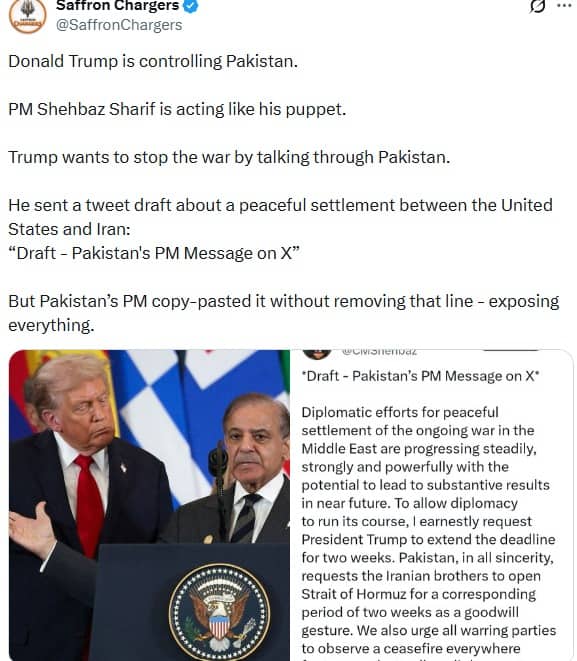
A few even alleged that Trump is fully controlling Pakistan, and the message was "pre-prepared draft sent for posting."
However, all these claims remained unverified.
Recently, Pakistan reportedly delivered a 15-point proposal from America to Iran, and it also offered to host peace talks between the two nations.
Pakistan’s Deputy Prime Minister and Foreign Minister Ishaq Dar said that his nation would be “honoured” to host the two warring sides in the coming days, for a comprehensive and lasting settlement of the ongoing conflict.
However, Iran officially rejected Islamabad’s claim that it was acting as a mediator between it and the United States to end the conflict in West Asia.
On Sunday (March 29), Islamabad held high-level meetings with Turkey, Egypt, and Saudi Arabia to lay the groundwork for possible talks between Washington and Tehran.
However, scrutiny of Pakistan's mediation is growing, with this "draft" episode only adding another layer of controversy to its role.
With inputs from agencies
However, the path for Pakistan is not easy. Along the way, the cash-strapped nation is facing embarrassments both from Iran and on the home front.
The recent social media post by its prime minister, Shehbaz Sharif, has sparked a serious debate not just about content but also about control, adding a new layer of controversy to Islamabad's role in the high-stakes diplomatic push.
We take a look.
Sharif's X post: Independently crafted or influenced?
Prior to US President Donald Trump's announcement of a two-week ceasefire today (April 8), Pakistan's prime minister shared a post on X, urging POTUS and Iran to "peaceful settlement of the ongoing war in West Asia."
"Diplomatic efforts for peaceful settlement of the ongoing war in the Middle East are progressing steadily, strongly and powerfully with the potential to lead to substantive results in the near future. To allow diplomacy to run its course, I earnestly request that President Trump extend the deadline for two weeks." Sharif wrote on X.
Adding, "Pakistan, in all sincerity, requests the Iranian brothers to open the Strait of Hormuz for a corresponding period of two weeks as a goodwill gesture..."
Diplomatic efforts for peaceful settlement of the ongoing war in the Middle East are progressing steadily, strongly and powerfully with the potential to lead to substantive results in near future. To allow diplomacy to run its course, I earnestly request President Trump to extend…
— Shehbaz Sharif (@CMShehbaz) April 7, 2026
However, the users noticed something unusual in the post’s edit history, an earlier version labelled: "Draft - Pakistan’s PM Message on X.”
The draft version also appealed for diplomatic progress in the West Asia conflict and called for extending measures related to the conflict, but its edited history sparked buzz about whether the message was pre-scripted or even externally influenced.
The word "Draft" in a diplomatic communication has drawn all the attention, while raising uncomfortable questions. Was it again a careless oversight by Pak’s communication team? Or does it denote something else that the message did not come from Pakistan’s leadership itself? Even the phrasing, “Pakistan’s PM," has raised eyebrows.
According to critics, it sounds less like a leader speaking and more like something written for him.
A founder of Drop Site Substack, Ryan Grim, suggested that the message may not have been written by Sharif, noting that his own communication team would not refer to him as “Pakistan’s PM." "The post could have been written by either the US or Israel," Grim argued as reported by Forbes.
"Oval office remote control"
Now, the development has fueled online debate, with many questioning whether Islamabad's diplomatic messaging is being independently crafted or externally influenced. Some even pointed to the draft as "White House instruction" for Pakistan.
A user said, "Trump isn’t just the President of the US; he’s the Editor-in-Chief of Pakistan’s social media. The remote controller..."
Another shared post pointed to the "Draft" line, claiming that Pakistan PM "seemingly forgot to remove what looks like a White House instruction."
Another user on X asked why the initial version of the tweet included draft notes, referring to the prime minister in English, and described him as “Pakistan’s PM.”
A few even alleged that Trump is fully controlling Pakistan, and the message was "pre-prepared draft sent for posting."
However, all these claims remained unverified.
Islamabad on 'mission mediator' amid war
Recently, Pakistan reportedly delivered a 15-point proposal from America to Iran, and it also offered to host peace talks between the two nations.
Pakistan’s Deputy Prime Minister and Foreign Minister Ishaq Dar said that his nation would be “honoured” to host the two warring sides in the coming days, for a comprehensive and lasting settlement of the ongoing conflict.
However, Iran officially rejected Islamabad’s claim that it was acting as a mediator between it and the United States to end the conflict in West Asia.
On Sunday (March 29), Islamabad held high-level meetings with Turkey, Egypt, and Saudi Arabia to lay the groundwork for possible talks between Washington and Tehran.
However, scrutiny of Pakistan's mediation is growing, with this "draft" episode only adding another layer of controversy to its role.
With inputs from agencies