








What is the story about?
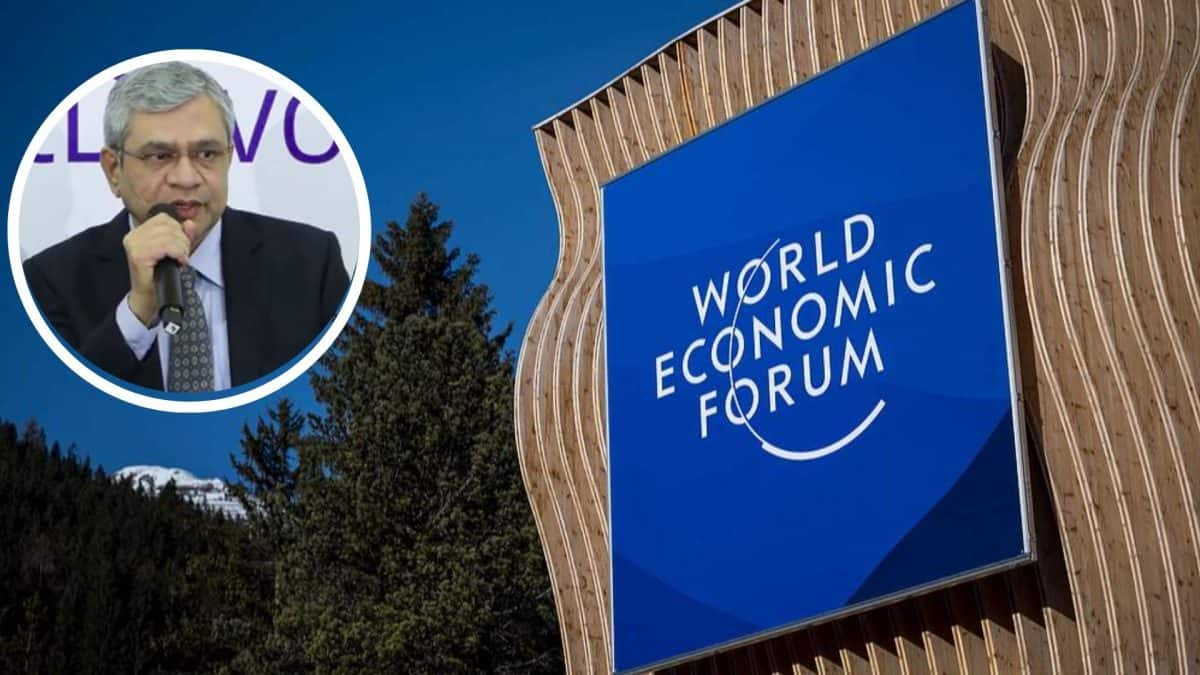
As global leaders gather for the 56th World Economic Forum (WEF) annual meeting, India’s approach to engagement is being cast more as a dialogue than a series of formal trade deals. Union Minister Ashwini Vaishnaw made it clear on Wednesday that while New Delhi remains actively involved with major world economies, trade negotiations aren’t the focus at Davos— at least not through group-to-group sessions here.
When asked whether India planned to meet with the US delegation, Vaishnaw explained how the forum works.
“The format of Davos is a format where we generally do panels and bilaterals. The trade meetings take place according to the country’s own schedules and negotiations. They are deeply engaged with all the major economies on practically all fronts at this point in time. This is not the forum in which we meet delegation to delegation,” he said.
The emphasis, he added, is on sharing ideas and perspectives, and letting each country pursue structured trade talks on its own terms, outside the WEF’s panel discussions.
Watch Ashwini Vaishnaw's address at Davos here:
Vaishnaw pointed out that India’s economic story—particularly the blend of modern technology with inclusive growth—is resonating with world leaders and business figures attending the Swiss Alps gathering.
The Indian delegation has been attending key meetings to outline how the country is integrating innovation, sustainability and equitable development into its growth trajectory.
With nearly 3,000 participants from more than 130 countries—including CEOs, policymakers, innovators and national leaders—this year’s forum is one of the most crowded in recent memory.
Also read | What to expect from India’s largest-ever delegation at Davos 2026
While trade negotiations may not be a central feature at Davos itself, India’s ongoing discussions with major global partners continue, both on economic and strategic fronts. Officials say that bilateral talks and formal trade negotiations are carried out through separate mechanisms aligned with each country’s agendas.
When asked whether India planned to meet with the US delegation, Vaishnaw explained how the forum works.
“The format of Davos is a format where we generally do panels and bilaterals. The trade meetings take place according to the country’s own schedules and negotiations. They are deeply engaged with all the major economies on practically all fronts at this point in time. This is not the forum in which we meet delegation to delegation,” he said.
The emphasis, he added, is on sharing ideas and perspectives, and letting each country pursue structured trade talks on its own terms, outside the WEF’s panel discussions.
Watch Ashwini Vaishnaw's address at Davos here:
#WATCH | Davos, Switzerland | On being asked if India will be having a meeting with the US delegation, Union Minister Ashwini Vaishnaw says, "The format of Davos is a format where we generally do panels and bilaterals. The trade meetings take place according to the country's own… pic.twitter.com/BuRanHeSUX
— ANI (@ANI) January 20, 2026
Showcasing India’s economic progress
Vaishnaw pointed out that India’s economic story—particularly the blend of modern technology with inclusive growth—is resonating with world leaders and business figures attending the Swiss Alps gathering.
The Indian delegation has been attending key meetings to outline how the country is integrating innovation, sustainability and equitable development into its growth trajectory.
With nearly 3,000 participants from more than 130 countries—including CEOs, policymakers, innovators and national leaders—this year’s forum is one of the most crowded in recent memory.
Also read | What to expect from India’s largest-ever delegation at Davos 2026
Beyond panels: India’s global engagement
While trade negotiations may not be a central feature at Davos itself, India’s ongoing discussions with major global partners continue, both on economic and strategic fronts. Officials say that bilateral talks and formal trade negotiations are carried out through separate mechanisms aligned with each country’s agendas.