








What is the story about?
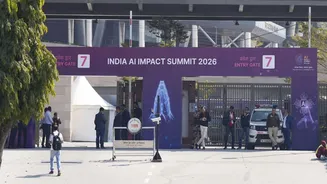
Starting today (February 16), New Delhi will host the convergence of world leaders, top honchos of big tech companies, investors, and policy makers at the Bharat Mandapam, courtesy the India AI Impact Summit 2026. This gathering won’t just be another high-profile gathering. It’s a statement of intent; India wants to show the world that it is not merely a participant in the AI revolution but looks to emerge as a key architect shaping its rules, standards, and opportunities.
Ahead of the gathering — it begins today and runs until February 20 — Ministry of External Affairs spokesperson Randhir Jaiswal noted that the India AI Impact Summit will be anchored in three guiding “sutras” of people, planet, and progress structured around seven key chakras. The MEA spokesperson further noted that the summit’s theme — “Sarvajan Hitaya, Sarvajan Sukhaya” (Welfare for All, Happiness of All) reflects India's vision of leveraging artificial intelligence for inclusive and sustainable development.
Here is why this summit matters so much to India.
Organised by the Ministry of Electronics and IT (Meity), the India AI Impact summit seeks to highlight the country’s market size, technology concepts from researchers, and build consensus on a doctrine.
Ministerial delegations from over 45 countries are participating in the summit. A Chinese delegation is also attending after India sent a formal invite to Beijing.
The key focus of the summit, according to Abhishek Singh, the CEO of IndiaAI Mission, is the democratisation of AI, apart from showcasing real-world AI solutions in sectors like healthcare, agriculture, and education that Indian engineers and talent are building locally.
“The AI that we are using presently is such that it’s developed in and by a few countries, and the majority of the world is just AI users. If the datasets are not inclusive, bias will be there in the outputs. The issue with regard to democratising AI resources in the form of datasets of compute, models, algorithms, and applications becomes a key theme for the summit,” Singh told The Indian Express.
Ahead of the India AI Impact summit, India also released comprehensive AI governance guidelines, seeking to curb bias, misuse, and opacity in AI systems.
This India AI Impact summit is the fourth such gathering being held. The first was held in the United Kingdom in November 2023, where India became a signatory to the Bletchley Park declaration. The document focused on AI safety, deepfakes and misinformation, robotics, and factory automation.
The second such summit was held in South Korea, followed by the third in France. India was the co-chair for the AI summit in France last February.
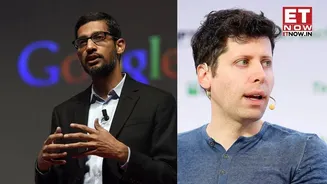
The who’s who of the tech world is expected at the India AI Impact summit. Among the key attendees are OpenAI CEO Sam Altman and Alphabet CEO Sundar Pichai.
Anthropic boss Dario Amodei and Google DeepMind CEO Demis Hassabis will also be present. Nvidia CEO Jensen Huang
, who was earlier expected to attend, withdrew on Saturday due to “unforeseen circumstances.”
The India AI Impact Summit will also see many world leaders in attendance. Prime Minister Narendra Modi will inaugurate the event, and is also likely to host a dinner and address a CEO roundtable.

France’s President Emmanuel Macron, Brazil’s President Luiz Inacio Lula da Silva, Spain’s President Pedro Sanchez Perez, Switzerland’s President Guy Parmelin, Netherlands’s Prime Minister Dick Schoof, and Estonia’s President Alar Karis, among others, are also expected to attend the gathering in New Delhi.
The India AI Impact Summit is significant for a number of reasons. Firstly, such a summit comes to the Global South for the first time. This represents the latest in an evolving conversation on AI and its uses in everyday life.
Moreover, the previous AI meets focused on safety. However, India is broadening the focus to highlight AI’s developmental impact — how it can drive economic growth, inclusion, and sustainability. The emphasis is on “People, Planet, and Progress”. As IT Secretary S Krishnan said that the key message is that AI must be human-centric and inclusive. “The key message we want to send is that whatever happens with AI needs to be human-centric and inclusive. There needs to be democratic access to AI resources, and it needs to be done in a way where people are at the centre of this process,” he told news agency
PTI.
Some companies may also launch domestically developed AI language models at the summit. Of the 12 applications to build large and small language models that India has approved, some of them are expected to see official launches. This includes sovereign AI models being built by Sarvam AI and Bharatgen. There could also be some hardware-related announcements, centres around expanding India’s data centre capacity.
The summit also presents India with the opportunity to lay the groundwork for its AI ambitions. India is an attractive market for the world. India has a massive service economy and also boasts of having one of the largest population of internet users. This presents AI companies with a wide base of customers.
As The Economic Times wrote in one report, the summit signals the intent of global AI companies to engage with Indian policymakers and commercial partners. Their attendance is both a gesture of commitment and an investment in building trust with Indian stakeholders ahead of future deals and collaborations.
The India AI Impact summit also gives the country a chance to further develop its AI infrastructure and realise its AI ambitions. While India is a huge consumer of AI, it lags behind in the development of foundational AI models such as ChatGPT, Claude, and Gemini. However, India wants to change this, and the summit may present them with an opportunity. In fact, ahead of the meet,
Sam Altman, CEO of OpenAI, described India as a potential “full-stack AI leader”. He further hinted at new partnerships with the government to widen access to AI and its benefits.
The summit will also present participants with an opportunity to discuss the real-life consequences of AI in professions and industries. This is of particular importance as anxiety builds over the use of AI and the disruption that AI tools can cause in the workspace.
Suresh Sundararajan wrote in a Business World report, “For India, this moment presents an opportunity to help shape global expectations around inclusive and responsible AI at scale. This next chapter of AI will define systems that function reliably across diverse markets, uplift human capability, respect environmental boundaries, and accelerate economic progress. India’s AI moment is therefore not about intelligence alone. It is about demonstrating that impact, when pursued with discipline and responsibility, can become the defining measure of technological leadership.”
With inputs from agencies
Ahead of the gathering — it begins today and runs until February 20 — Ministry of External Affairs spokesperson Randhir Jaiswal noted that the India AI Impact Summit will be anchored in three guiding “sutras” of people, planet, and progress structured around seven key chakras. The MEA spokesperson further noted that the summit’s theme — “Sarvajan Hitaya, Sarvajan Sukhaya” (Welfare for All, Happiness of All) reflects India's vision of leveraging artificial intelligence for inclusive and sustainable development.
Here is why this summit matters so much to India.
What is the India AI Impact Summit all about?
Organised by the Ministry of Electronics and IT (Meity), the India AI Impact summit seeks to highlight the country’s market size, technology concepts from researchers, and build consensus on a doctrine.
Ministerial delegations from over 45 countries are participating in the summit. A Chinese delegation is also attending after India sent a formal invite to Beijing.
The key focus of the summit, according to Abhishek Singh, the CEO of IndiaAI Mission, is the democratisation of AI, apart from showcasing real-world AI solutions in sectors like healthcare, agriculture, and education that Indian engineers and talent are building locally.
“The AI that we are using presently is such that it’s developed in and by a few countries, and the majority of the world is just AI users. If the datasets are not inclusive, bias will be there in the outputs. The issue with regard to democratising AI resources in the form of datasets of compute, models, algorithms, and applications becomes a key theme for the summit,” Singh told The Indian Express.
Ahead of the India AI Impact summit, India also released comprehensive AI governance guidelines, seeking to curb bias, misuse, and opacity in AI systems.
Is this the first such summit of its kind?
This India AI Impact summit is the fourth such gathering being held. The first was held in the United Kingdom in November 2023, where India became a signatory to the Bletchley Park declaration. The document focused on AI safety, deepfakes and misinformation, robotics, and factory automation.
The second such summit was held in South Korea, followed by the third in France. India was the co-chair for the AI summit in France last February.
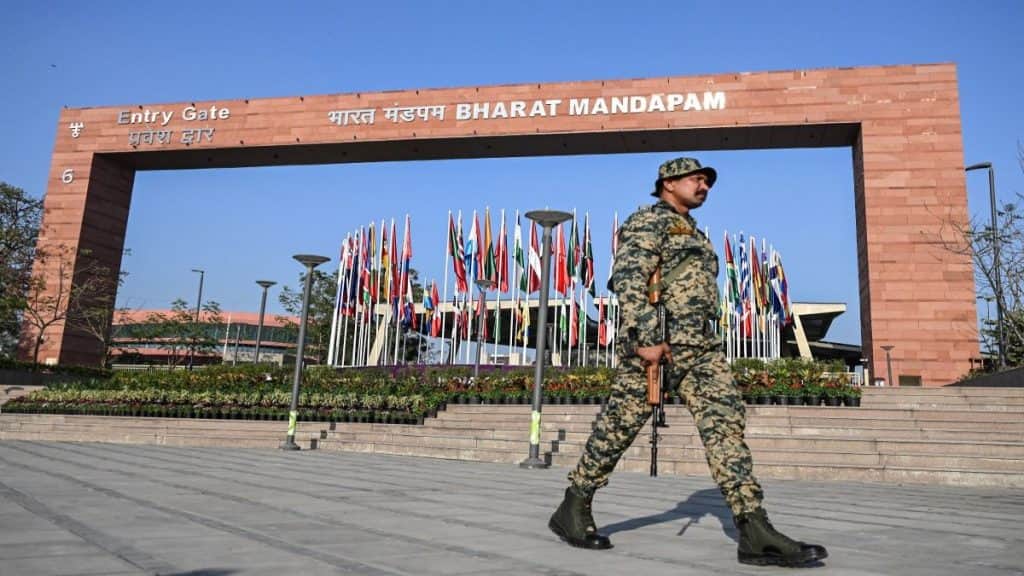
A paramilitary personnel stands guard at the Bharat Mandapam on the eve of the 'India AI Impact Summit 2026' in New Delhi. AFP
Who’s attending the India AI Impact summit?
The who’s who of the tech world is expected at the India AI Impact summit. Among the key attendees are OpenAI CEO Sam Altman and Alphabet CEO Sundar Pichai.
The India AI Impact Summit will also see many world leaders in attendance. Prime Minister Narendra Modi will inaugurate the event, and is also likely to host a dinner and address a CEO roundtable.
Apart from big tech CEOs, the AI Impact Summit in New Delhi will also see France's President Emmanuel Macron. Prime Minister Narendra Modi will also be at the event. File image/AFP
France’s President Emmanuel Macron, Brazil’s President Luiz Inacio Lula da Silva, Spain’s President Pedro Sanchez Perez, Switzerland’s President Guy Parmelin, Netherlands’s Prime Minister Dick Schoof, and Estonia’s President Alar Karis, among others, are also expected to attend the gathering in New Delhi.
Why does the India AI Impact Summit matter?
The India AI Impact Summit is significant for a number of reasons. Firstly, such a summit comes to the Global South for the first time. This represents the latest in an evolving conversation on AI and its uses in everyday life.
Moreover, the previous AI meets focused on safety. However, India is broadening the focus to highlight AI’s developmental impact — how it can drive economic growth, inclusion, and sustainability. The emphasis is on “People, Planet, and Progress”. As IT Secretary S Krishnan said that the key message is that AI must be human-centric and inclusive. “The key message we want to send is that whatever happens with AI needs to be human-centric and inclusive. There needs to be democratic access to AI resources, and it needs to be done in a way where people are at the centre of this process,” he told news agency
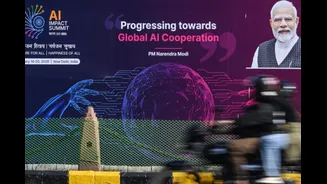
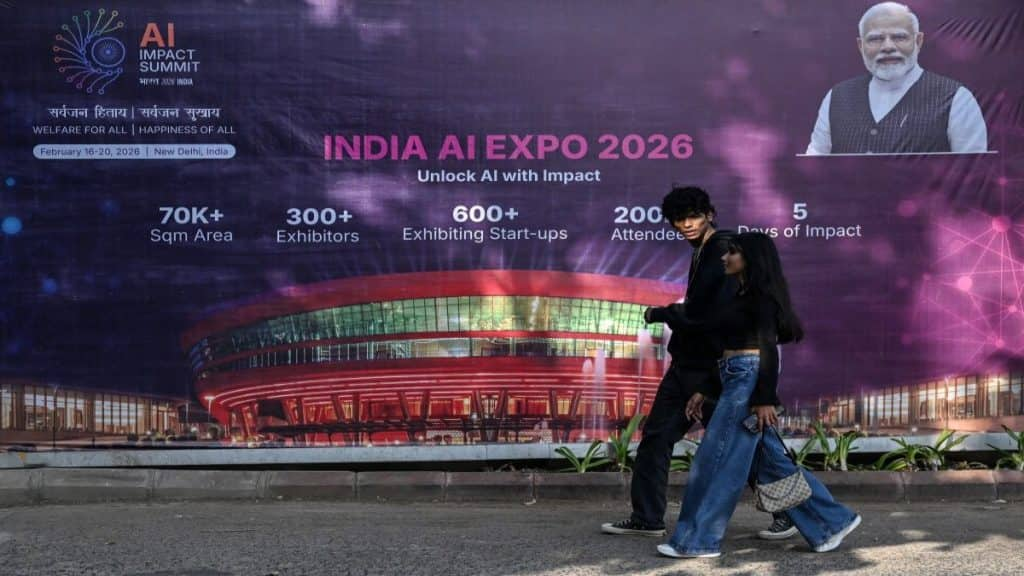
Commuters walk past a hoarding of the AI Expo along a street in New Delhi. AFP
Some companies may also launch domestically developed AI language models at the summit. Of the 12 applications to build large and small language models that India has approved, some of them are expected to see official launches. This includes sovereign AI models being built by Sarvam AI and Bharatgen. There could also be some hardware-related announcements, centres around expanding India’s data centre capacity.
The summit also presents India with the opportunity to lay the groundwork for its AI ambitions. India is an attractive market for the world. India has a massive service economy and also boasts of having one of the largest population of internet users. This presents AI companies with a wide base of customers.
As The Economic Times wrote in one report, the summit signals the intent of global AI companies to engage with Indian policymakers and commercial partners. Their attendance is both a gesture of commitment and an investment in building trust with Indian stakeholders ahead of future deals and collaborations.
The India AI Impact summit also gives the country a chance to further develop its AI infrastructure and realise its AI ambitions. While India is a huge consumer of AI, it lags behind in the development of foundational AI models such as ChatGPT, Claude, and Gemini. However, India wants to change this, and the summit may present them with an opportunity. In fact, ahead of the meet,
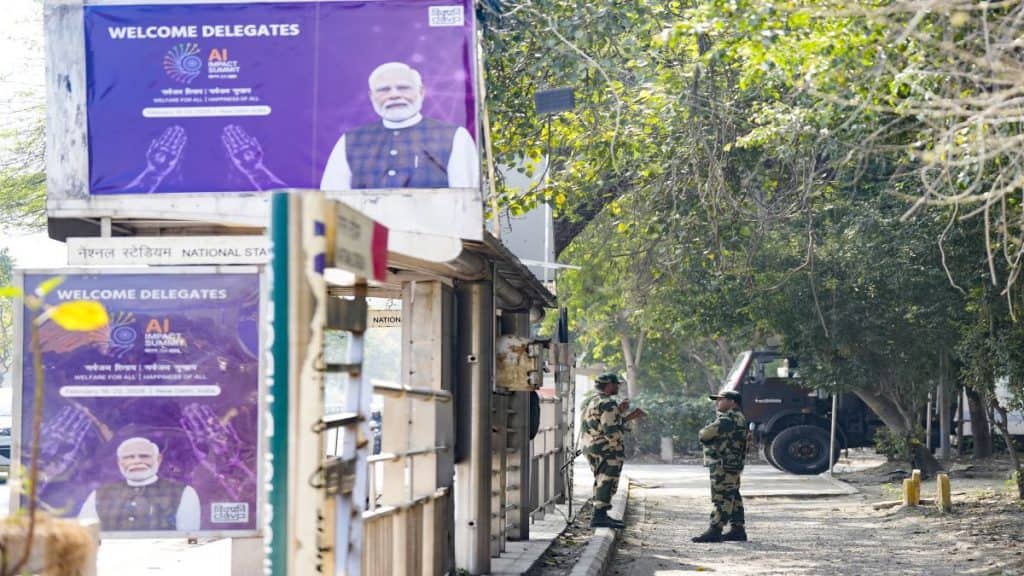
BSF personnel stands guard at a bus stop, ahead of the AI Impact Summit 2026, in New Delhi. PTI
The summit will also present participants with an opportunity to discuss the real-life consequences of AI in professions and industries. This is of particular importance as anxiety builds over the use of AI and the disruption that AI tools can cause in the workspace.
Suresh Sundararajan wrote in a Business World report, “For India, this moment presents an opportunity to help shape global expectations around inclusive and responsible AI at scale. This next chapter of AI will define systems that function reliably across diverse markets, uplift human capability, respect environmental boundaries, and accelerate economic progress. India’s AI moment is therefore not about intelligence alone. It is about demonstrating that impact, when pursued with discipline and responsibility, can become the defining measure of technological leadership.”
With inputs from agencies