





What is the story about?
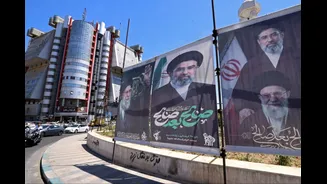
The Iran-US war could be entering uncharted waters, quite literally. On Monday (June 1), Iranian negotiators announced that they had suspended all exchanges with the United States because of Israel’s expanding offensive in Lebanon.
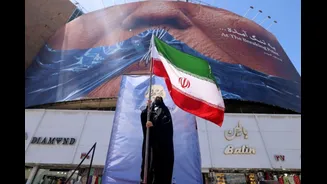
State media Tasnim also reported that the country and its allies, the Axis of Resistance, had “set their determination to completely block the Strait of Hormuz and activate other fronts, including the Bab el-Mandeb Strait” at the entrance to the Red Sea.
Iran’s threat to blockade the Bab el-Mandeb Strait would mark an escalation in its steps to inflict pain on the global economy in order to force the US into concessions.
But what makes the Bab el-Mandeb Strait so important? Why would Iran’s blocking of it matter?
After Israel expanded its offensive into Lebanon on Monday, Iran’s Revolutionary Guards announced that it was suspending all exchanges with mediators to end the war with the US. “Given the continuing crimes of the Zionist regime (Israel) in Lebanon and considering that Lebanon was one of the preconditions for the ceasefire and that this ceasefire has now been violated on all fronts, including Lebanon, the Iranian negotiating team is suspending dialogues and exchange of texts through mediators,” Tasnim reported.
The media report also added that Iran and its allies had “set their determination to completely block the Strait of Hormuz and activate other fronts, including the Bab el-Mandeb Strait” at the entrance to the Red Sea.
Following Iran’s announcement, oil prices shot up, with Brent, the international benchmark, up 6.7 per cent to $97.28 per barrel.
The Bab el-Mandeb Strait connects the Red Sea to the Gulf of Aden and the Arabian Sea and narrows to about 29 kilometres at its tightest point. It is located between Yemen and the Horn of Africa nations of Djibouti and Eritrea. Like the Strait of Hormuz, it is a critical route for global trade and energy supplies. It connects Europe, Africa, and West Asia.
Also known as ‘Gate of Tears’, it is one of the world’s most important shipping routes. It is, in fact, through this route that Saudi Arabia transports its oil to Asia. The Bab el-Mandeb is also a crucial passageway for Gulf states, including Saudi Arabia, to export their crude oil, gas, and other fuels to Europe via the Suez Canal or the Sumed (Suez-Mediterranean) Pipeline on Egypt’s Red Sea coast.
In 2024, about 4.1 billion barrels of crude oil and refined petroleum products passed through the strait, which amounts to five per cent of the global total.
And it’s not just oil. About 10 per cent of global trade sails through the Bab al-Mandeb. As Noam Raydan, a senior fellow at The Washington Institute for Near East Policy, told TIME, “The Bab el-Mandeb, just like Hormuz, is critical for the global economy. “It is a chokepoint through which you have various ships, container ships, oil tankers or carriers that move between different regions or continents.”
Since the beginning of the Iran-US war, the IRGC has blocked the Strait of Hormuz, disrupting global supply chains. As a result, the Bab al-Mandeb’s importance has only grown. Saudi Arabia, which has traditionally also relied principally on the Hormuz to export its oil, has increasingly turned to its Red Sea port of Yanbu to ship crude out through the Bab al-Mandeb.
Hence, Iran’s threat to shut down this waterway assumes even more significance. Raydan told TIME magazine, “Bab El-Mandeb right now serves as a key passageway for the flow of Saudi crude oil that had to be rerouted from the Persian Gulf to the
Red Sea because of the crisis in the Strait of Hormuz,” says Raydan. “If anything major happens in a battlement that’s similar to the Strait of Hormuz, it will have massive ramifications on regional countries like Saudi Arabia that are right now relying on the Strait to ship crude oil specifically to Asian clients.”
Elisabeth Kendall, a West Asia specialist and the president of Girton College at Cambridge University, also concurred with this opinion. She told Al Jazeera, “If you have restrictions on the Strait of Hormuz at the same time as restrictions are escalating in the Bab al-Mandeb, then you really will disrupt, if not cripple, trade toward Europe.”
In fact, when Houthi fighters launched attacks on vessels passing through the Bab el-Mandeb in 2023, industry insiders estimated that those disruptions cost the global economy around $20 billion annually between 2023 and 2025. Moreover, an Al Jazeera report points out if both waterways were shut, that would block 25 per cent – or a quarter of the world’s oil and gas supply.
Other experts point out that if the Bab el-Mandeb were blocked, more ships would be compelled to sail around the Cape of Good Hope in southern Africa, making a 20 to 25-day journey last as long as 30 to 40 days. This, in turn, will increase shipping costs, which will make everything more expensive.
Mario Nawfal on X had previously stated, “If another key waterway (Bab al-Mandeb) is shut, the Red Sea becomes a complete no-go zone, oil prices explode again, and global trade gets choked even harder.”
While Iran doesn’t control this waterway directly, it exercises its influence through its key proxy in Yemen, the Houthis. While this group hasn’t commented on the latest reports, senior Houthi official Mohammed Mansour previously indicated that closing the strait remained an option.
In 2023, the Houthis blocked the Bab al-Mandeb as it launched attacks on commercial vessels transiting the strait and nearby waters, saying the campaign was aimed at supporting Palestinians during the Gaza war. Those attacks forced many shipping companies to reroute vessels around the southern tip of Africa, adding thousands of kilometres to voyages, increasing fuel costs, and disrupting global supply chains.
Now, we shall wait and watch to see if Iran actually carries out its threat.
With inputs from agencies
State media Tasnim also reported that the country and its allies, the Axis of Resistance, had “set their determination to completely block the Strait of Hormuz and activate other fronts, including the Bab el-Mandeb Strait” at the entrance to the Red Sea.
Iran’s threat to blockade the Bab el-Mandeb Strait would mark an escalation in its steps to inflict pain on the global economy in order to force the US into concessions.
- Catch the latest updates from the US-Iran war here
But what makes the Bab el-Mandeb Strait so important? Why would Iran’s blocking of it matter?
Why has Iran threatened to block Bab el-Mandeb?
After Israel expanded its offensive into Lebanon on Monday, Iran’s Revolutionary Guards announced that it was suspending all exchanges with mediators to end the war with the US. “Given the continuing crimes of the Zionist regime (Israel) in Lebanon and considering that Lebanon was one of the preconditions for the ceasefire and that this ceasefire has now been violated on all fronts, including Lebanon, the Iranian negotiating team is suspending dialogues and exchange of texts through mediators,” Tasnim reported.
The media report also added that Iran and its allies had “set their determination to completely block the Strait of Hormuz and activate other fronts, including the Bab el-Mandeb Strait” at the entrance to the Red Sea.
Following Iran’s announcement, oil prices shot up, with Brent, the international benchmark, up 6.7 per cent to $97.28 per barrel.
What is the Bab el-Mandeb Strait?
The Bab el-Mandeb Strait connects the Red Sea to the Gulf of Aden and the Arabian Sea and narrows to about 29 kilometres at its tightest point. It is located between Yemen and the Horn of Africa nations of Djibouti and Eritrea. Like the Strait of Hormuz, it is a critical route for global trade and energy supplies. It connects Europe, Africa, and West Asia.
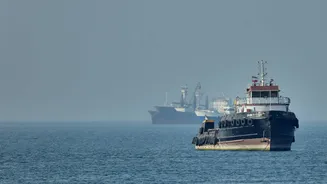
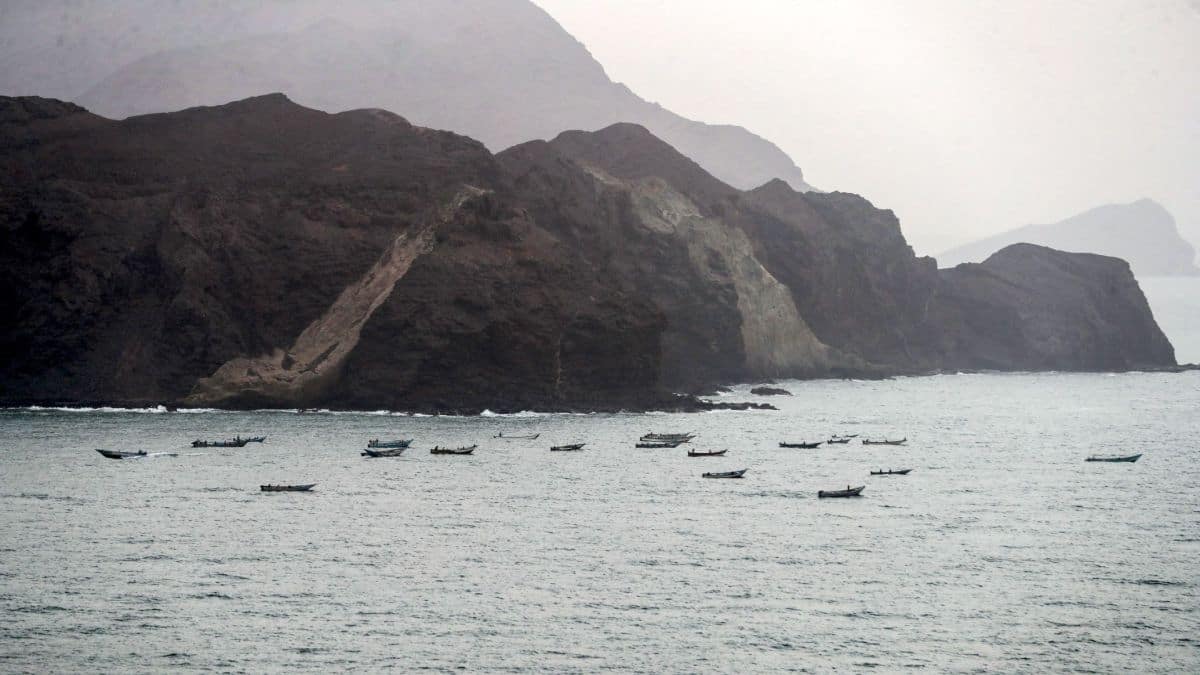
The Bab-al-Mandeb connects the Red Sea to the Gulf of Aden and is a crucial waterway for global oil trade. File image/AFP
Also known as ‘Gate of Tears’, it is one of the world’s most important shipping routes. It is, in fact, through this route that Saudi Arabia transports its oil to Asia. The Bab el-Mandeb is also a crucial passageway for Gulf states, including Saudi Arabia, to export their crude oil, gas, and other fuels to Europe via the Suez Canal or the Sumed (Suez-Mediterranean) Pipeline on Egypt’s Red Sea coast.
In 2024, about 4.1 billion barrels of crude oil and refined petroleum products passed through the strait, which amounts to five per cent of the global total.
And it’s not just oil. About 10 per cent of global trade sails through the Bab al-Mandeb. As Noam Raydan, a senior fellow at The Washington Institute for Near East Policy, told TIME, “The Bab el-Mandeb, just like Hormuz, is critical for the global economy. “It is a chokepoint through which you have various ships, container ships, oil tankers or carriers that move between different regions or continents.”
Why is the Bab el-Mandeb Strait important?
Since the beginning of the Iran-US war, the IRGC has blocked the Strait of Hormuz, disrupting global supply chains. As a result, the Bab al-Mandeb’s importance has only grown. Saudi Arabia, which has traditionally also relied principally on the Hormuz to export its oil, has increasingly turned to its Red Sea port of Yanbu to ship crude out through the Bab al-Mandeb.
Hence, Iran’s threat to shut down this waterway assumes even more significance. Raydan told TIME magazine, “Bab El-Mandeb right now serves as a key passageway for the flow of Saudi crude oil that had to be rerouted from the Persian Gulf to the
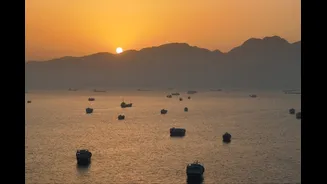
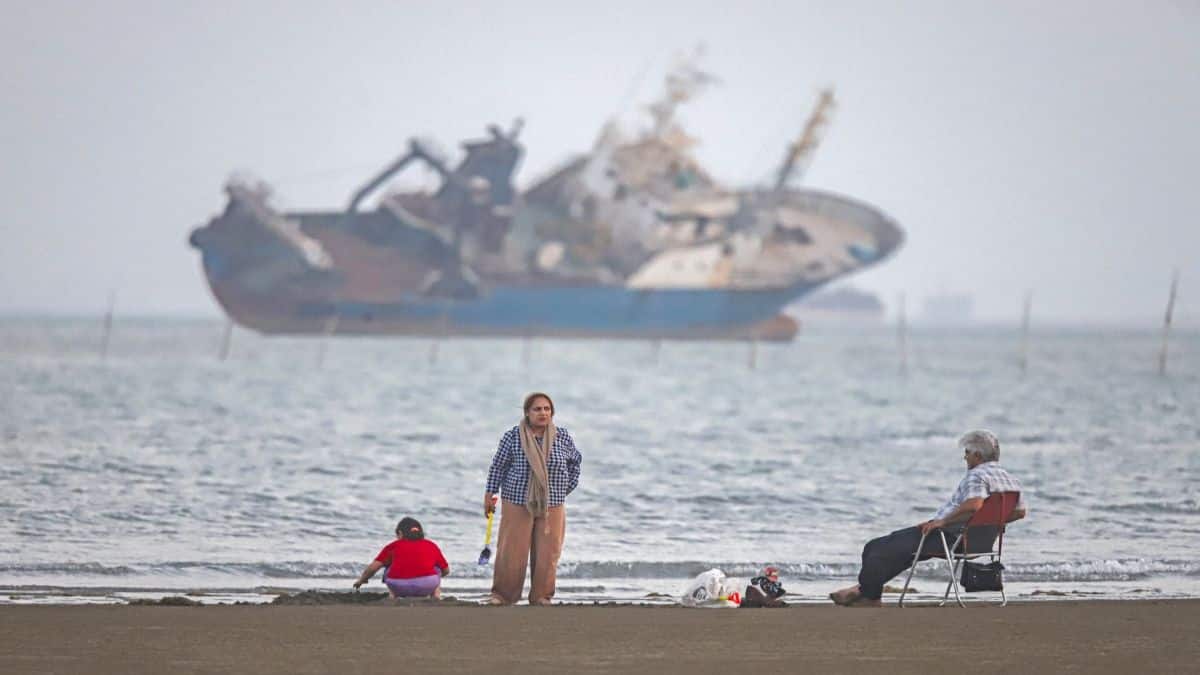
Iranians sit on Suru Beach in Bandar Abbas along the Strait of Hormuz. With the Strait of Hormuz blocked, the Bab el-Mandeb has assumed significance. AFP
Elisabeth Kendall, a West Asia specialist and the president of Girton College at Cambridge University, also concurred with this opinion. She told Al Jazeera, “If you have restrictions on the Strait of Hormuz at the same time as restrictions are escalating in the Bab al-Mandeb, then you really will disrupt, if not cripple, trade toward Europe.”
In fact, when Houthi fighters launched attacks on vessels passing through the Bab el-Mandeb in 2023, industry insiders estimated that those disruptions cost the global economy around $20 billion annually between 2023 and 2025. Moreover, an Al Jazeera report points out if both waterways were shut, that would block 25 per cent – or a quarter of the world’s oil and gas supply.
Other experts point out that if the Bab el-Mandeb were blocked, more ships would be compelled to sail around the Cape of Good Hope in southern Africa, making a 20 to 25-day journey last as long as 30 to 40 days. This, in turn, will increase shipping costs, which will make everything more expensive.
Mario Nawfal on X had previously stated, “If another key waterway (Bab al-Mandeb) is shut, the Red Sea becomes a complete no-go zone, oil prices explode again, and global trade gets choked even harder.”
But how will Iran block it if it doesn’t control it?
While Iran doesn’t control this waterway directly, it exercises its influence through its key proxy in Yemen, the Houthis. While this group hasn’t commented on the latest reports, senior Houthi official Mohammed Mansour previously indicated that closing the strait remained an option.
In 2023, the Houthis blocked the Bab al-Mandeb as it launched attacks on commercial vessels transiting the strait and nearby waters, saying the campaign was aimed at supporting Palestinians during the Gaza war. Those attacks forced many shipping companies to reroute vessels around the southern tip of Africa, adding thousands of kilometres to voyages, increasing fuel costs, and disrupting global supply chains.
Now, we shall wait and watch to see if Iran actually carries out its threat.
With inputs from agencies