





What is the story about?
Is a new chapter being written in the long-running India-Nepal border dispute courtesy of the Himalayan kingdom’s Prime Minister Balen Shah? That’s the question being asked after the newly elected leader in Kathmandu made a rather strange remark in Nepal’s parliament on Sunday (May 31).
It’s strange. First, the Gen-Z leader was facing criticism for not speaking in parliament, and now that he has, he’s facing backlash for what he said.
So, what did he say, and why is Balen Shah receiving flak for his remarks? We examine and get you the answers.
On Sunday (May 31), Nepal’s PM Balen Shah addressed lawmakers for the first time since becoming the Himalayan country’s youngest prime minister earlier this year. He acknowledged that India and Nepal had issues over the border, involving Lipulekh, Limpiyadhura, and Kalapani.
However, he added that the border row wasn’t one-sided. He said that both countries are occupying land claimed by the other, and that China and the United Kingdom should be involved in the border dispute.
“After becoming prime minister, I came to know that not only has India encroached on Nepal’s land, but Nepal has also encroached on India’s land in multiple places,” Shah said, responding to questions in parliament.
He further added, “We have spoken not only with India and China but also with the British government. Our view is that England [UK] should also take an interest, as the issue dates back to the period when the British ruled India. So all these matters should be resolved through dialogue and diplomatic negotiations.”
Shah’s comments came during a discussion on the issue of Kalapani-Limpiyadhura-Lipulekh region, the strategically important area near the trijunction of India, Nepal, and Tibet. New Delhi firmly holds the view that the area is part of India’s northern state of Uttarakhand. Meanwhile, Nepal claims Lipulekh is part of its territory based on the interpretation of the 1816 Sugauli Treaty signed with British India.
Soon after Nepal’s PM made the remarks, it sparked anger among the lawmakers, with those in the Opposition demanding that the comments be expunged.
Nepali Congress Vice President Bishwa Prakash Sharma wrote on X, “The prime minister of a country should think a dozen times before speaking. Restraint and maturity are even more essential when dealing with sensitive diplomatic issues.”
He further wrote, “Which carries more weight — the position of the Shah government or Shah’s opinion as an individual? What is the RSP’s stance on this issue? Are we the ones encroaching on someone else’s territory, or are we the victims of encroachment? Are we heading towards further division as a nation?”
Former foreign minister Kamal Thapa also expressed concerns over Balen Shah’s comments. He wrote on X, “It is one thing to acknowledge that there are border disputes in certain areas. But Nepal has neither encroached upon nor occupied Indian territory. Nepal remains firmly committed to the principle that it should not infringe upon the borders of its neighbours.”
“If the prime minister is convinced that Nepal has indeed encroached upon Indian territory, then he should clearly inform the public, with evidence, where such encroachment has occurred,” Thapa added. “He should immediately correct the mistake and return the land to India with due respect. The prime minister’s statement is exaggerated and incorrect.”
Nilamber Acharya, former Nepali ambassador to India, was also quoted as telling The Kathmandu Post that Nepal has not encroached on Indian land, contrary to Shah’s claim. “The Nepali state has not encroached on Indian land anywhere. It is not as the prime minister stated,” he said.
Following the outrage from lawmakers, Nepal’s Ministry of Foreign Affairs issued a statement clarifying the government’s position. It noted that Shah’s comments regarding Nepal “encroaching” Indian territory referred to no-man’s land and instances of cross-border occupation between the two countries.
The ministry said there are possibilities that land being used by people on the Indian side may fall within Nepalese territory, and vice versa. “What the prime minister said about Indian land lying on the Nepali side is related to cross-border occupation,” the statement added.
India hasn’t reacted to Shah’s remarks so far. However, earlier this month, when the Himalayan nation objected to the Kailash Mansarovar Yatra through the long-established Lipulekh Pass, New Delhi had rejected Kathmandu’s claims as an “unilateral artificial enlargement” that it finds “untenable”.
Nepal and India have a longstanding boundary dispute over Lipulekh, Limpiyadhura and Kalapani and the Sugauli treaty signed between Nepal and British India in 1816.
The treaty states that the Kali (Mahakali) River would form the western boundary between Nepal and British India. The problem, however, is that the treaty never clearly identified the exact source of the river.
Nepal claims that the source of the Kali River is at Limpiyadhura. If this is to be accepted, then Kalapani and Lipulekh are east of the river and hence belong to Nepal as per the 1816 treaty. Meanwhile, New Delhi states that the river starts near Kalapani, not Limpiyadhura, which means the border line is east of the disputed territories, making them Indian. India also refers to the long-standing administrative control, security deployments, and governance structures in the area. In fact, since the 1962 India-China war, Kalapani has been manned by troops belonging to the Indo-Tibetan Border Police.
In 2020, the border row between India and Nepal deepened when Kathmandu published a new map showing Kalapani, Lipulekh and Limpiyadhura as its own and subsequently amended its Constitution to approve it.
Then, in 2025, Nepal published a new Rs 100 note with the map that showed these territories as its own. This year too, the controversy erupted when Nepal opposed the revival of the Kailash Mansarovar Yatra through Lipulekh and when India and China discussed re-initiating border trade through the pass. Nepal said decisions were being taken about the area without its participation.
It’s to be seen what comes next in this border issue. However, many experts suggest that Shah’s comments could be a break from Nepal’s traditional politics and could be a shift in tone from the Himalayan nation.
With inputs from agencies
It’s strange. First, the Gen-Z leader was facing criticism for not speaking in parliament, and now that he has, he’s facing backlash for what he said.
So, what did he say, and why is Balen Shah receiving flak for his remarks? We examine and get you the answers.
Balen Shah raises eyebrows with border remarks
On Sunday (May 31), Nepal’s PM Balen Shah addressed lawmakers for the first time since becoming the Himalayan country’s youngest prime minister earlier this year. He acknowledged that India and Nepal had issues over the border, involving Lipulekh, Limpiyadhura, and Kalapani.
However, he added that the border row wasn’t one-sided. He said that both countries are occupying land claimed by the other, and that China and the United Kingdom should be involved in the border dispute.
“After becoming prime minister, I came to know that not only has India encroached on Nepal’s land, but Nepal has also encroached on India’s land in multiple places,” Shah said, responding to questions in parliament.
He further added, “We have spoken not only with India and China but also with the British government. Our view is that England [UK] should also take an interest, as the issue dates back to the period when the British ruled India. So all these matters should be resolved through dialogue and diplomatic negotiations.”
Shah’s comments came during a discussion on the issue of Kalapani-Limpiyadhura-Lipulekh region, the strategically important area near the trijunction of India, Nepal, and Tibet. New Delhi firmly holds the view that the area is part of India’s northern state of Uttarakhand. Meanwhile, Nepal claims Lipulekh is part of its territory based on the interpretation of the 1816 Sugauli Treaty signed with British India.
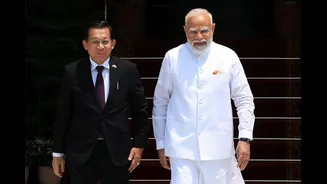
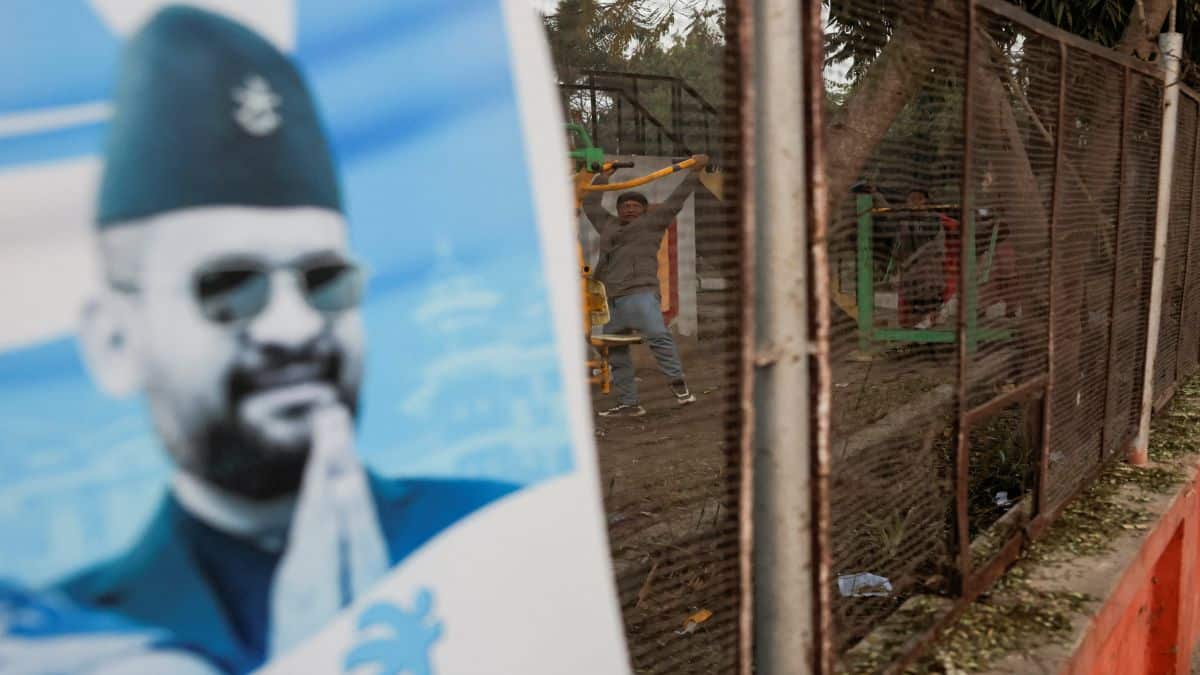
Nepal Prime Minister Balen Shah said that both countries had encroached upon each other's territory, a statement that reignited the long-running border dispute between the two neighbours. File image/Reuters
Shah’s remarks and outrage in Nepal parliament
Soon after Nepal’s PM made the remarks, it sparked anger among the lawmakers, with those in the Opposition demanding that the comments be expunged.
Nepali Congress Vice President Bishwa Prakash Sharma wrote on X, “The prime minister of a country should think a dozen times before speaking. Restraint and maturity are even more essential when dealing with sensitive diplomatic issues.”
He further wrote, “Which carries more weight — the position of the Shah government or Shah’s opinion as an individual? What is the RSP’s stance on this issue? Are we the ones encroaching on someone else’s territory, or are we the victims of encroachment? Are we heading towards further division as a nation?”
Former foreign minister Kamal Thapa also expressed concerns over Balen Shah’s comments. He wrote on X, “It is one thing to acknowledge that there are border disputes in certain areas. But Nepal has neither encroached upon nor occupied Indian territory. Nepal remains firmly committed to the principle that it should not infringe upon the borders of its neighbours.”
“If the prime minister is convinced that Nepal has indeed encroached upon Indian territory, then he should clearly inform the public, with evidence, where such encroachment has occurred,” Thapa added. “He should immediately correct the mistake and return the land to India with due respect. The prime minister’s statement is exaggerated and incorrect.”
Nilamber Acharya, former Nepali ambassador to India, was also quoted as telling The Kathmandu Post that Nepal has not encroached on Indian land, contrary to Shah’s claim. “The Nepali state has not encroached on Indian land anywhere. It is not as the prime minister stated,” he said.
In damage mode
Following the outrage from lawmakers, Nepal’s Ministry of Foreign Affairs issued a statement clarifying the government’s position. It noted that Shah’s comments regarding Nepal “encroaching” Indian territory referred to no-man’s land and instances of cross-border occupation between the two countries.
The ministry said there are possibilities that land being used by people on the Indian side may fall within Nepalese territory, and vice versa. “What the prime minister said about Indian land lying on the Nepali side is related to cross-border occupation,” the statement added.
India hasn’t reacted to Shah’s remarks so far. However, earlier this month, when the Himalayan nation objected to the Kailash Mansarovar Yatra through the long-established Lipulekh Pass, New Delhi had rejected Kathmandu’s claims as an “unilateral artificial enlargement” that it finds “untenable”.
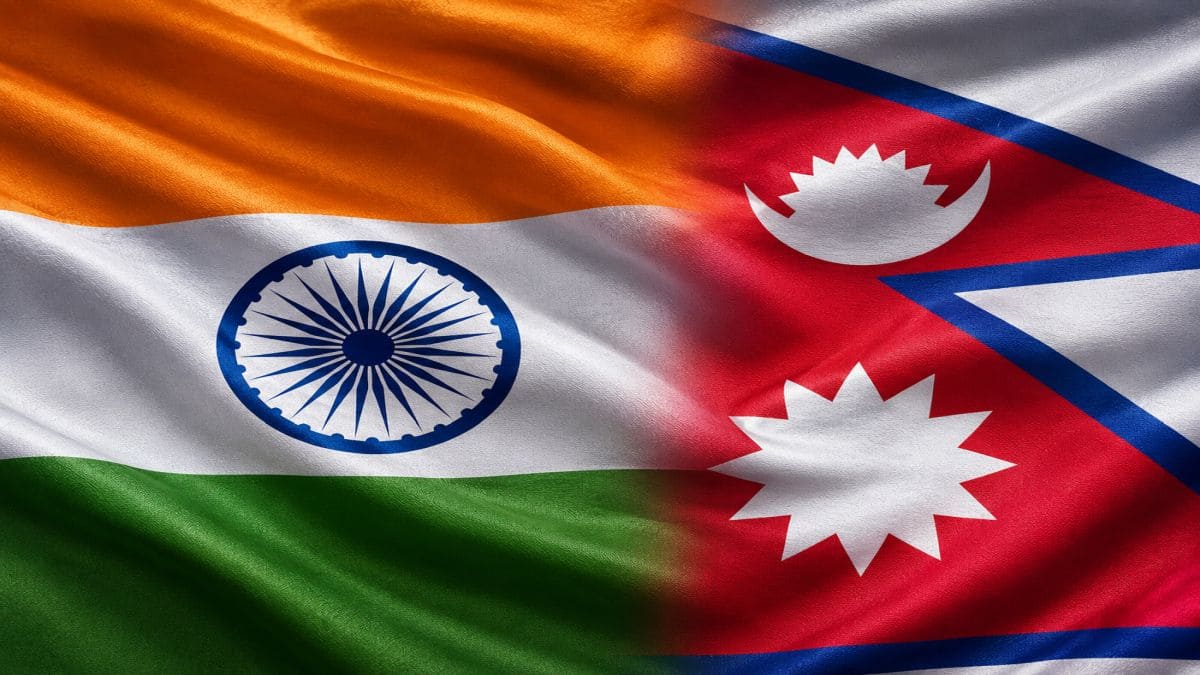
Nepal and India have a longstanding boundary dispute over Lipulekh, Limpiyadhura and Kalapani, with both sides claiming the areas.
The years-long India and Nepal border
Nepal and India have a longstanding boundary dispute over Lipulekh, Limpiyadhura and Kalapani and the Sugauli treaty signed between Nepal and British India in 1816.
The treaty states that the Kali (Mahakali) River would form the western boundary between Nepal and British India. The problem, however, is that the treaty never clearly identified the exact source of the river.
Nepal claims that the source of the Kali River is at Limpiyadhura. If this is to be accepted, then Kalapani and Lipulekh are east of the river and hence belong to Nepal as per the 1816 treaty. Meanwhile, New Delhi states that the river starts near Kalapani, not Limpiyadhura, which means the border line is east of the disputed territories, making them Indian. India also refers to the long-standing administrative control, security deployments, and governance structures in the area. In fact, since the 1962 India-China war, Kalapani has been manned by troops belonging to the Indo-Tibetan Border Police.
In 2020, the border row between India and Nepal deepened when Kathmandu published a new map showing Kalapani, Lipulekh and Limpiyadhura as its own and subsequently amended its Constitution to approve it.
Then, in 2025, Nepal published a new Rs 100 note with the map that showed these territories as its own. This year too, the controversy erupted when Nepal opposed the revival of the Kailash Mansarovar Yatra through Lipulekh and when India and China discussed re-initiating border trade through the pass. Nepal said decisions were being taken about the area without its participation.
It’s to be seen what comes next in this border issue. However, many experts suggest that Shah’s comments could be a break from Nepal’s traditional politics and could be a shift in tone from the Himalayan nation.
With inputs from agencies