







What is the story about?
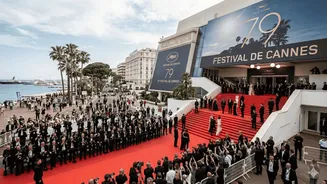
Deepti DCunha who has been a film programmer at several international film festivals believes, it’s not just ‘networking, marketing or publicity’, but true cooperation and collaboration that will take the film to newer audiences. FTII student’s film ‘Shadows of the Moonless Nights’ selected for La Cinef section of Cannes. The 24-minute film, directed by Mehar Malhotra, is part of a line-up of 14 live-action and five animated shorts for the segment, which is dedicated to showcasing film school fiction or animated films.
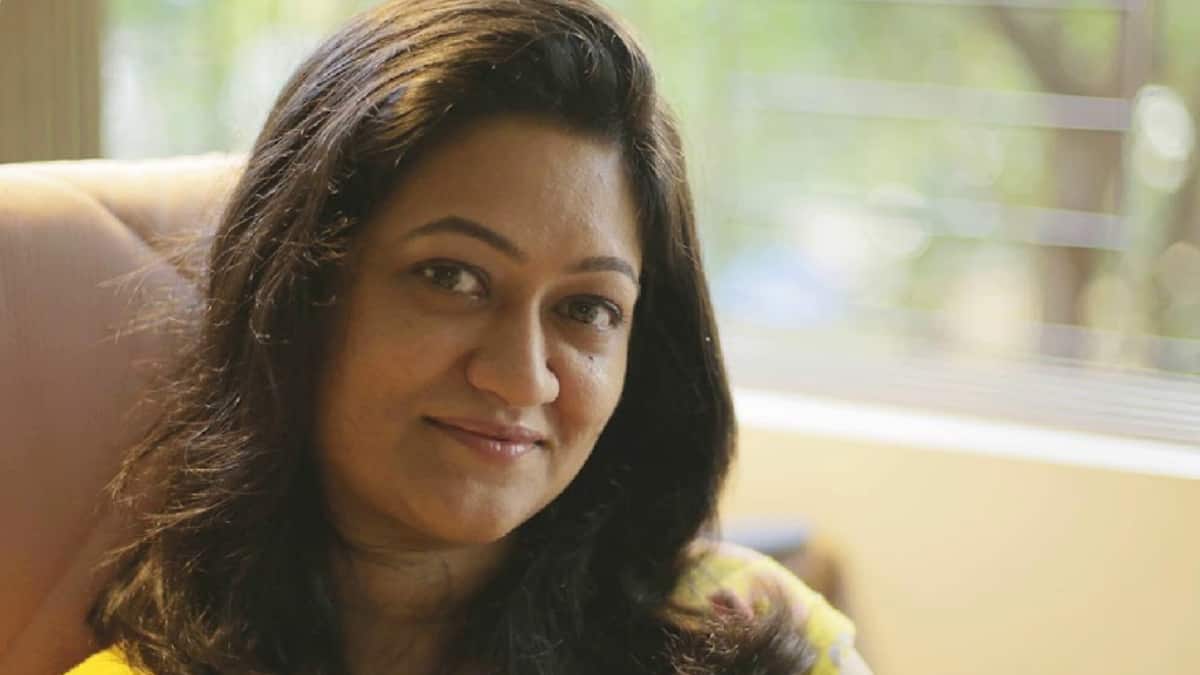
Anshuman Jha’s First Ray Films announced six picture slate to be showcased at Marché Du Film at Cannes Film Festival 2026. As it begins its second decade, the banner accelerates its global push with director-led originals, international co-productions, and a focus on cross-border theatrical storytelling. Film Programmer, Deepti DCunha talks to Firstpost’s Lachmi Deb Roy on India’s standing at international film festivals.
Edited excerpts from the interview:
What is India’s standing at international film festivals?
Several International film festivals across the world program some part of their line up from catalogues of top festivals like Berlin, Cannes, Venice, Toronto, Sundance, to bring their award-winning films to cinephile audiences in their countries. Since Indian features haven't made it to the Festivals at Cannes this year ( Apart from Official Cannes, there is The Directors' Fortnight and Critics Week), it could impact the number of Indian films in the film festival ecosystem, but there are films from Berlin FF and there maybe Indian films in the fall season as well ( TIFF, Venice, Locarno) so those might make up for absence at Cannes Film Festival, mainly for the festivals that follow this system of only programming International Cinema through the catalogues of other festivals or sales agents. It will not impact film festivals that look for new films from their submissions, who may end up programming Indian films from them.
On you being a part of the programming team at the Red Sea International Film Festival…
I am in the programming team at the Red Sea International Film Festival and the festival is very interested in discovering new films and talent and is very thorough with viewing all films that are submitted directly by filmmakers.
It is focussed on films from Arab, African and Asian countries and also include their diaspora worldwide. Red Sea International Film Festival is not dependent on what is programmed at other festivals as long as the premiere status of a MENA premiere is maintained. Having said that, there is a section called ‘Festival Favourites’ which does program some titles that have premiered at other festivals and done well in the film festival ecosystem.
How much importance is given to alternative cinema at international film festivals?
The International film festival ecosystem exists as a counterpoint to the mainstream ecosystem. They exist mainly to give a platform to excellence in cinema, especially filmmakers who have not yet locked their distribution. It is essentially a pre-distribution platform and filmmakers get exposure to worldwide distributors and buyers through this ecosystem, apart from international audiences.
Most film festivals embrace all kinds of cinema while there are some who focus on themes or genres, like Genre festivals, LGBTQIA+ Festivals, Childrens’ festivals. Every film is important as long as it fits the curatorial vision of the festival. Films which are studio produced for mainstream usually do not need film festivals to access audiences as they have their distribution locked. But they can always explore new territories through markets linked at festivals.
How difficult is it getting for independent filmmakers to showcase their films?
It has always been very competitive and hence difficult. At film festivals you are competing with talent and films from all over the world, so it’s never easy. Also, independent films struggle with resources like larger teams and budget. Usually they don't have any provisions for the needed financial backing and resources to bring films to audiences. This has always been the case. Hence this is where the government steps in to offer support through markets like Waves Film Bazaar in IFFI.
How important are networking, marketing, and PR for Indian films to make it on the international stage?
PR is not required at all at this stage. What is required is the presence of films at Film Markets and Labs for independent filmmakers to truly upskill themselves, learn how to produce better and understand the film festival ecosystem. Most independent filmmakers begin with a strong desire to make films, and many have incredible talent as directors, but the true challenge is to find good producers who have the skills, vision, and experience to take the film international. A film market is a meeting ground for film professionals to collaborate on a project. It's not just 'networking, marketing or publicity' but true cooperation and collaboration that will take the film to newer audiences.
Indian Films & Highlights at Cannes 2026:
Shadows of the Moonless Nights (La Cinef): A 24-minute Punjabi-language film directed by Mehar Malhotra (FTII), selected from 2,750 submissions to compete in the prestigious student film section.
Gudgudi (Marché du Film): Directed by Manisha K. Makwana, this film will be presented at the Cannes Film Market for international buyers.
September 21 (Marché du Film): A film scheduled to premiere on May 16, 2026, at the Marché du Film, with a wider release later that month.
Marathi Selection (Marché du Film): Marathi films Jeev – The Creature (dir. Ravindra Jadhav) and April May 99 (dir. Rohan Mapuskar) are featured in the market section, showcasing regional content.
Industry Representation: Women in Film India, founded by Guneet Monga Kapoor, partnered with Jio Studios to send four Indian women producers to the Cannes Producers Network.
Upcoming Slate: First Ray Films, led by Anshuman Jha, is featuring a six-film slate for 2026–2028 at the market.
Anshuman Jha’s First Ray Films announced six picture slate to be showcased at Marché Du Film at Cannes Film Festival 2026. As it begins its second decade, the banner accelerates its global push with director-led originals, international co-productions, and a focus on cross-border theatrical storytelling. Film Programmer, Deepti DCunha talks to Firstpost’s Lachmi Deb Roy on India’s standing at international film festivals.
Edited excerpts from the interview:
What is India’s standing at international film festivals?
Several International film festivals across the world program some part of their line up from catalogues of top festivals like Berlin, Cannes, Venice, Toronto, Sundance, to bring their award-winning films to cinephile audiences in their countries. Since Indian features haven't made it to the Festivals at Cannes this year ( Apart from Official Cannes, there is The Directors' Fortnight and Critics Week), it could impact the number of Indian films in the film festival ecosystem, but there are films from Berlin FF and there maybe Indian films in the fall season as well ( TIFF, Venice, Locarno) so those might make up for absence at Cannes Film Festival, mainly for the festivals that follow this system of only programming International Cinema through the catalogues of other festivals or sales agents. It will not impact film festivals that look for new films from their submissions, who may end up programming Indian films from them.
On you being a part of the programming team at the Red Sea International Film Festival…
I am in the programming team at the Red Sea International Film Festival and the festival is very interested in discovering new films and talent and is very thorough with viewing all films that are submitted directly by filmmakers.
It is focussed on films from Arab, African and Asian countries and also include their diaspora worldwide. Red Sea International Film Festival is not dependent on what is programmed at other festivals as long as the premiere status of a MENA premiere is maintained. Having said that, there is a section called ‘Festival Favourites’ which does program some titles that have premiered at other festivals and done well in the film festival ecosystem.
Where does India stand at the international film scenario; film programmer, Deepti DCunha decodes the scene
How much importance is given to alternative cinema at international film festivals?
The International film festival ecosystem exists as a counterpoint to the mainstream ecosystem. They exist mainly to give a platform to excellence in cinema, especially filmmakers who have not yet locked their distribution. It is essentially a pre-distribution platform and filmmakers get exposure to worldwide distributors and buyers through this ecosystem, apart from international audiences.
Most film festivals embrace all kinds of cinema while there are some who focus on themes or genres, like Genre festivals, LGBTQIA+ Festivals, Childrens’ festivals. Every film is important as long as it fits the curatorial vision of the festival. Films which are studio produced for mainstream usually do not need film festivals to access audiences as they have their distribution locked. But they can always explore new territories through markets linked at festivals.
How difficult is it getting for independent filmmakers to showcase their films?
It has always been very competitive and hence difficult. At film festivals you are competing with talent and films from all over the world, so it’s never easy. Also, independent films struggle with resources like larger teams and budget. Usually they don't have any provisions for the needed financial backing and resources to bring films to audiences. This has always been the case. Hence this is where the government steps in to offer support through markets like Waves Film Bazaar in IFFI.
How important are networking, marketing, and PR for Indian films to make it on the international stage?
PR is not required at all at this stage. What is required is the presence of films at Film Markets and Labs for independent filmmakers to truly upskill themselves, learn how to produce better and understand the film festival ecosystem. Most independent filmmakers begin with a strong desire to make films, and many have incredible talent as directors, but the true challenge is to find good producers who have the skills, vision, and experience to take the film international. A film market is a meeting ground for film professionals to collaborate on a project. It's not just 'networking, marketing or publicity' but true cooperation and collaboration that will take the film to newer audiences.
Indian Films & Highlights at Cannes 2026:
Shadows of the Moonless Nights (La Cinef): A 24-minute Punjabi-language film directed by Mehar Malhotra (FTII), selected from 2,750 submissions to compete in the prestigious student film section.
Gudgudi (Marché du Film): Directed by Manisha K. Makwana, this film will be presented at the Cannes Film Market for international buyers.
September 21 (Marché du Film): A film scheduled to premiere on May 16, 2026, at the Marché du Film, with a wider release later that month.
Marathi Selection (Marché du Film): Marathi films Jeev – The Creature (dir. Ravindra Jadhav) and April May 99 (dir. Rohan Mapuskar) are featured in the market section, showcasing regional content.
Industry Representation: Women in Film India, founded by Guneet Monga Kapoor, partnered with Jio Studios to send four Indian women producers to the Cannes Producers Network.
Upcoming Slate: First Ray Films, led by Anshuman Jha, is featuring a six-film slate for 2026–2028 at the market.