







What is the story about?
Yemen’s Iran-aligned Houthis on Sunday said they carried out a second attack on Israel within 24 hours, using a combination of missiles and drones, signalling a potential widening of the conflict in West Asia. The group warned it would continue military operations in the coming days.
The Houthis first struck on March 28, launching a missile a day after warning they would intervene if attacks on Iran persisted. Israel said the projectile was intercepted. The group claimed it had fired a barrage of ballistic missiles targeting “sensitive Israeli military sites” in response to strikes on Iran, Lebanon, Iraq, and Palestinian territories, adding that operations would continue until what it called “aggression” across these fronts ends.
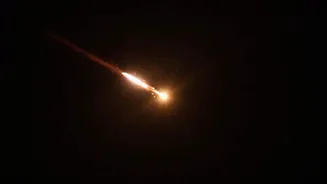
Israel’s military confirmed it detected a missile launch from Yemen and activated air defence systems to intercept it, urging residents to follow safety guidelines.
The Houthis’ entry into the conflict opens a new front in an already volatile region. The group, which controls large parts of northern Yemen, had stayed out of hostilities for weeks even as fighting escalated between US- and Israel-aligned forces and Iran. Their involvement now raises concerns about broader regional spillover.
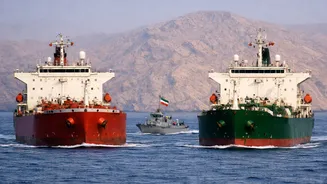
The escalation also threatens key global energy and trade routes. With Iran restricting movement through the Strait of Hormuz—a crucial passage for global oil—Gulf shipments have been rerouted via alternative ports such as Yanbu and Salalah Port. There are growing fears the Houthis could again disrupt shipping through the Bab al-Mandeb Strait, a strategic gateway linking the Red Sea to the Gulf of Aden.
The group had previously targeted commercial vessels in the Red Sea and Gulf of Aden during the Gaza war following the October 7 attacks, forcing global shipping companies to reroute traffic and driving up costs.
The Houthis first struck on March 28, launching a missile a day after warning they would intervene if attacks on Iran persisted. Israel said the projectile was intercepted. The group claimed it had fired a barrage of ballistic missiles targeting “sensitive Israeli military sites” in response to strikes on Iran, Lebanon, Iraq, and Palestinian territories, adding that operations would continue until what it called “aggression” across these fronts ends.
Israel’s military confirmed it detected a missile launch from Yemen and activated air defence systems to intercept it, urging residents to follow safety guidelines.
The Houthis’ entry into the conflict opens a new front in an already volatile region. The group, which controls large parts of northern Yemen, had stayed out of hostilities for weeks even as fighting escalated between US- and Israel-aligned forces and Iran. Their involvement now raises concerns about broader regional spillover.
The escalation also threatens key global energy and trade routes. With Iran restricting movement through the Strait of Hormuz—a crucial passage for global oil—Gulf shipments have been rerouted via alternative ports such as Yanbu and Salalah Port. There are growing fears the Houthis could again disrupt shipping through the Bab al-Mandeb Strait, a strategic gateway linking the Red Sea to the Gulf of Aden.
The group had previously targeted commercial vessels in the Red Sea and Gulf of Aden during the Gaza war following the October 7 attacks, forcing global shipping companies to reroute traffic and driving up costs.