







What is the story about?
The United Arab Emirates (UAE) has withdrawn from plans to operate Islamabad International Airport, dealing an unexpected setback to Pakistan just days after UAE President Sheikh Mohammed bin Zayed Al Nahyan’s surprise visit to India. The proposal, under discussion since August 2025, fell through after Abu Dhabi failed to find a local partner and reportedly lost interest in the project.
Pakistan’s The Express Tribune confirmed the development, saying the decision was officially described as a “loss of interest” and was not directly linked to political considerations.
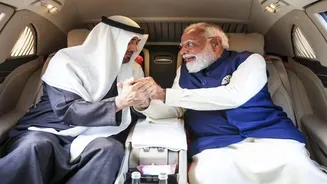
Sheikh Mohammed’s brief three-hour visit to India has drawn attention for its wider regional implications. Shortly after the visit, the UAE announced the release of 900 Indian prisoners, a move widely seen as a goodwill gesture towards New Delhi.
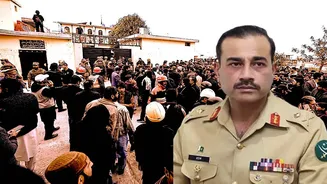
The UAE’s withdrawal from the airport deal has caused concern within Pakistan’s leadership, including Prime Minister Shehbaz Sharif and Army Chief Asim Munir. The project had gained importance amid Pakistan’s worsening economic situation, with the UAE agreeing in August 2025 to take over airport operations.
However, no local partner was finalised, and Abu Dhabi ultimately pulled out of the arrangement.
While no political motive has been officially cited, the timing of the decision has fuelled speculation, particularly as tensions among Gulf countries increasingly shape South Asian geopolitics. Pakistan’s growing defence cooperation with Saudi Arabia — including a September 2025 agreement and discussions involving Turkey to form what has been described as an “Islamic NATO” — has reportedly strained ties with the UAE.
The development comes as India–UAE relations continue to deepen. Sheikh Mohammed’s January 19 visit to Delhi, though brief, is being viewed as strategically significant. Pakistan, which has long maintained close ties with both Saudi Arabia and the UAE, has in recent years leaned more towards Riyadh.
Pakistan and the UAE once shared strong aviation links. Pakistan played a key role in the early days of Emirates Airlines, providing technical support and personnel, with the carrier’s first flight operating between Dubai and Karachi.
Over time, however, Pakistan’s aviation sector has weakened due to safety concerns, pilot licensing issues and ageing infrastructure. Despite the UAE’s experience operating airports in challenging environments, including Afghanistan, its decision to exit the Islamabad project signals a clear erosion of confidence between the two sides.
Pakistan’s The Express Tribune confirmed the development, saying the decision was officially described as a “loss of interest” and was not directly linked to political considerations.
Sheikh Mohammed’s brief three-hour visit to India has drawn attention for its wider regional implications. Shortly after the visit, the UAE announced the release of 900 Indian prisoners, a move widely seen as a goodwill gesture towards New Delhi.
Setback for Pakistan’s leadership
The UAE’s withdrawal from the airport deal has caused concern within Pakistan’s leadership, including Prime Minister Shehbaz Sharif and Army Chief Asim Munir. The project had gained importance amid Pakistan’s worsening economic situation, with the UAE agreeing in August 2025 to take over airport operations.
However, no local partner was finalised, and Abu Dhabi ultimately pulled out of the arrangement.
Regional tensions and shifting alliances
While no political motive has been officially cited, the timing of the decision has fuelled speculation, particularly as tensions among Gulf countries increasingly shape South Asian geopolitics. Pakistan’s growing defence cooperation with Saudi Arabia — including a September 2025 agreement and discussions involving Turkey to form what has been described as an “Islamic NATO” — has reportedly strained ties with the UAE.
Deepening India–UAE ties
The development comes as India–UAE relations continue to deepen. Sheikh Mohammed’s January 19 visit to Delhi, though brief, is being viewed as strategically significant. Pakistan, which has long maintained close ties with both Saudi Arabia and the UAE, has in recent years leaned more towards Riyadh.
Aviation ties under strain
Pakistan and the UAE once shared strong aviation links. Pakistan played a key role in the early days of Emirates Airlines, providing technical support and personnel, with the carrier’s first flight operating between Dubai and Karachi.
Over time, however, Pakistan’s aviation sector has weakened due to safety concerns, pilot licensing issues and ageing infrastructure. Despite the UAE’s experience operating airports in challenging environments, including Afghanistan, its decision to exit the Islamabad project signals a clear erosion of confidence between the two sides.