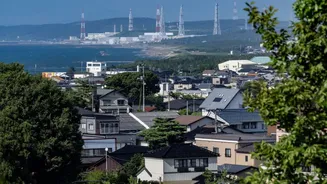








Japan is preparing to restart the world’s largest nuclear power plant nearly 15 years after the devastating Fukushima disaster, in what many see as a major turning point for the country’s energy policy.
Government and local officials have taken a crucial step by backing the restart of the Kashiwazaki-Kariwa plant in Niigata Prefecture, a project that comes amid rising energy needs and mixed public reactions.
Final vote clears the way
On Monday, lawmakers in the Niigata prefectural assembly passed a vote of confidence for Governor Hideyo Hanazumi, who has supported the plant’s restart, as per Reuters.This vote is widely viewed as the final hurdle before operations can resume at the site, which is operated by Tokyo Electric Power Company (Tepco), the same utility that ran Fukushima’s Daiichi plant.
“This is a milestone, but this is not the end,” Hanazumi told reporters after the vote, underlining ongoing efforts to address safety concerns and reassure local residents.
The plant, once among 54 reactors shut after a massive earthquake and tsunami crippled Fukushima, could soon bring one of its seven reactors back online, starting with a 1.36 GW unit by early 2026.
Despite official support, many locals remain skeptical and worried about nuclear safety. Around 300 protesters gathered outside the assembly building holding signs such as “No Nukes” and chanting against the restart.
Kenichiro Ishiyama, a 77-year-old protester from Niigata city, voiced deep concern: “If something was to happen at the plant, we would be the ones to suffer the consequences," she told Reuters.
That anxiety reflects broader public unease. In a recent survey, a significant portion of residents said they did not believe conditions for a safe restart had been met, and many remain worried about Tepco’s ability to operate the facility safely.
Supporters of the restart argue that nuclear power is essential for Japan’s energy security and efforts to cut reliance on imported fossil fuels. Prime Minister Sanae Takaichi, who assumed office just two months ago, has backed nuclear restarts as part of a strategy to meet rising electricity demand and climate commitments.
Japan spent 10.7 trillion yen ($68 billion) last year on imported liquefied natural gas and coal—a substantial portion of its energy bill—and anticipates that demand will grow as power-hungry AI data centres expand.
To meet these challenges, the government is targeting a doubling of nuclear power’s share of the electricity mix to 20% by 2040.