








What is the story about?
The prevalence of dowry continues to haunt India. The deaths of two women from Noida, allegedly after facing dowry harassment, have once again brought the spotlight on the menace.
Twisha Sharma, 33, was found dead at her marital home in Bhopal last week. Days later, Deepika Nagar, a woman in her early 20s, died allegedly by suicide by falling from the roof of her house in Greater Noida’s Ecotech-III area.
The families of both the victims have accused their in-laws of dowry abuse. Despite stringent laws, why does the scourge of dowry continue to plague India?
We take a look.
Twisha Sharma was found hanging at her lawyer husband Samarth Singh’s house in Bhopal’s Katara Hills area on May 12. The couple had met through a dating app in 2024 and tied the knot last December.
Twisha’s brother, Major Harshit Sharma, has accused her in-laws of prolonged abuse and harassment. Her family, based in Greater Noida, has claimed the woman faced immense pressure from her husband and in-laws over dowry-related demands.
The case triggered widespread outrage online after Twisha’s private WhatsApp chats with her mother surfaced online. In one message, she wrote, “Mujhe bahut zyada ghutan ho rahi hai maa (I am feeling suffocated, mother)”.
An FIR has been filed against the victim's husband and his mother under Bharatiya Nyaya Sanhita (BNS) section 80(2) related to dowry death.
Recently, another dowry-related death has come to light.
Deepika Nagar, a woman in her early 20s, died allegedly by suicide by falling from the roof of her house in Greater Noida’s Ecotech-III area on Sunday (May 17).
Her family has accused her husband and in-laws of dowry harassment, police said on Monday. Deepika had reportedly called her family in distress on Sunday, claiming her husband and in-laws were abusing and assaulting her.
Her father has accused Deepika’s in-laws of murder, dismissing the claim that she died by suicide. As per the victim’s family, there were also injury marks on her body.
In January, a 27-year-old Delhi Police Special Weapons and Tactics (SWAT) commando was brutally killed by her husband over dowry. Ankur repeatedly struck his wife, Kajal Chaudhary, who was four months pregnant, on the head with a dumbbell, eventually killing her.
The accused had called Kajal's brother, Nikhil, while assaulting her, and told him, "I am killing her".
India sees thousands of dowry cases every year. Bengaluru reported the highest number of dowry incidents among metropolitan cities in 2024, according to the latest National Crime Records Bureau (NCRB) data.
The agency’s ‘Crime in India 2024’ report found that, of the 1,008 dowry-related incidents reported across India's metro cities in 2024, Karnataka’s capital recorded 878 such cases, or 87 per cent.
It was followed by Lucknow, which registered 48 cases.
The NCRB’s 2024 report identified “cruelty by husband or his relatives” as the single largest category of crimes against women across the country. More than 1.2 lakh such cases were reported in 2024.
At 21,266, Uttar Pradesh reported the highest number of cases of cruelty against wives by husbands or in-laws. Rajasthan recorded the second-most such cases with 10,578, followed by Maharashtra at 10,538. Karnataka witnessed 2,947 such incidents.
Between 2017 and 2022, an average of around 7,000 women died annually due to dowry-related issues.
Delhi saw the highest number of dowry deaths among 19 metropolitan cities in 2024. The national capital has topped the list over the last five years.
The city reported 109 dowry deaths involving 111 victims, with a crime rate of 1.4 per lakh population, as per the NCRB data.
Kanpur reported the second-highest number of dowry death cases in 2024, involving 54 incidents and victims. Its crime rate stood higher at 4 per lakh population. Patna was third with 30 incidents and victims, and a crime rate of 3.1.
Bengaluru logged 25 dowry-related deaths in 2024. Hyderabad reported 14 such fatalities.
Several other south Indian cities, including Chennai, Kozhikode, Kochi and Coimbatore, reported no dowry deaths that year.
Dowry has been illegal in India since 1961. Under Section 80 of BNS, previously Section 304B of the Indian Penal Code (IPC), a dowry death case is filed when a woman dies under unnatural circumstances within seven years of marriage and investigators confirm that she faced cruelty or harassment linked to dowry demands shortly before her death.
Despite the law, the practice of dowry continues to thrive in India, with only the northeastern states of Arunachal Pradesh, Sikkim, Mizoram and Nagaland being the exceptions.
Meenakshi Bali, writer and activist, told Deccan Herald that the “issue is easy enough to resolve, but socio-economic factors have made it more complex than necessary. The version presented by patriarchy has changed how we speak about it.”
Many women continue to face domestic abuse and, sometimes, are even driven to their death by their husbands and in-laws over dowry demands. The stigma associated with a married woman living at her paternal home often discourages women from leaving such abusive households or seeking a divorce. Many times, the parents tell women to "adjust" and "compromise" in the face of domestic abuse.
Moreover, the normalisation of “gift-giving” between the families of the bride and groom further sustains the practice of dowry.
A study published in 2023 found that the prevalence of dowry in India increased as education and job opportunities for men improved over the decades.
"Higher quality grooms", who are well-educated and have better quality jobs, demand higher dowries.
"Strong economic factors perpetuate dowry. On the bride side, families who refuse to pay dowry for their daughters are left with 'lower quality' grooms. Grooms have a strong economic incentive to accept dowry, particularly if their family has to pay dowry for its own female children or wants to recoup investments in groom's education,"
BBC quoted the study as saying.
Some argue that the higher number of dowry cases indicates more victims are reporting the crime, but not necessarily that there has been a rise in the crime itself. Still, dowry remains under-reported in India. The actual numbers are expected to be higher.
Conviction rates, however, have been low. Every year, between 2017 and 2022, an average of 7,000 cases of dowry deaths were reported in India, The Hindu reported, citing NCRB data.
The investigations into these cases were slow and convictions were few.
Of the 7,000 dowry deaths recorded every year on average, only around 4,500 were charge-sheeted by the police. Some cases remained in the investigation stage for more than six months.
Convictions happened only in a few cases, while the rest got stuck in court procedures or were disposed of by the courts due to various reasons. In some cases, the accused were acquitted due to a lack of evidence.
As dowry continues to claim the lives of women, are India's stringent laws enough to curb the menace? It does not appear so.
With inputs from agencies
Twisha Sharma, 33, was found dead at her marital home in Bhopal last week. Days later, Deepika Nagar, a woman in her early 20s, died allegedly by suicide by falling from the roof of her house in Greater Noida’s Ecotech-III area.
The families of both the victims have accused their in-laws of dowry abuse. Despite stringent laws, why does the scourge of dowry continue to plague India?
We take a look.
Recent dowry cases in India
Twisha Sharma was found hanging at her lawyer husband Samarth Singh’s house in Bhopal’s Katara Hills area on May 12. The couple had met through a dating app in 2024 and tied the knot last December.
Twisha’s brother, Major Harshit Sharma, has accused her in-laws of prolonged abuse and harassment. Her family, based in Greater Noida, has claimed the woman faced immense pressure from her husband and in-laws over dowry-related demands.
The case triggered widespread outrage online after Twisha’s private WhatsApp chats with her mother surfaced online. In one message, she wrote, “Mujhe bahut zyada ghutan ho rahi hai maa (I am feeling suffocated, mother)”.
An FIR has been filed against the victim's husband and his mother under Bharatiya Nyaya Sanhita (BNS) section 80(2) related to dowry death.
Recently, another dowry-related death has come to light.
Deepika Nagar, a woman in her early 20s, died allegedly by suicide by falling from the roof of her house in Greater Noida’s Ecotech-III area on Sunday (May 17).
Her family has accused her husband and in-laws of dowry harassment, police said on Monday. Deepika had reportedly called her family in distress on Sunday, claiming her husband and in-laws were abusing and assaulting her.
Her father has accused Deepika’s in-laws of murder, dismissing the claim that she died by suicide. As per the victim’s family, there were also injury marks on her body.
In January, a 27-year-old Delhi Police Special Weapons and Tactics (SWAT) commando was brutally killed by her husband over dowry. Ankur repeatedly struck his wife, Kajal Chaudhary, who was four months pregnant, on the head with a dumbbell, eventually killing her.
The accused had called Kajal's brother, Nikhil, while assaulting her, and told him, "I am killing her".
How prevalent is dowry in India?
India sees thousands of dowry cases every year. Bengaluru reported the highest number of dowry incidents among metropolitan cities in 2024, according to the latest National Crime Records Bureau (NCRB) data.
The agency’s ‘Crime in India 2024’ report found that, of the 1,008 dowry-related incidents reported across India's metro cities in 2024, Karnataka’s capital recorded 878 such cases, or 87 per cent.
It was followed by Lucknow, which registered 48 cases.
The NCRB’s 2024 report identified “cruelty by husband or his relatives” as the single largest category of crimes against women across the country. More than 1.2 lakh such cases were reported in 2024.
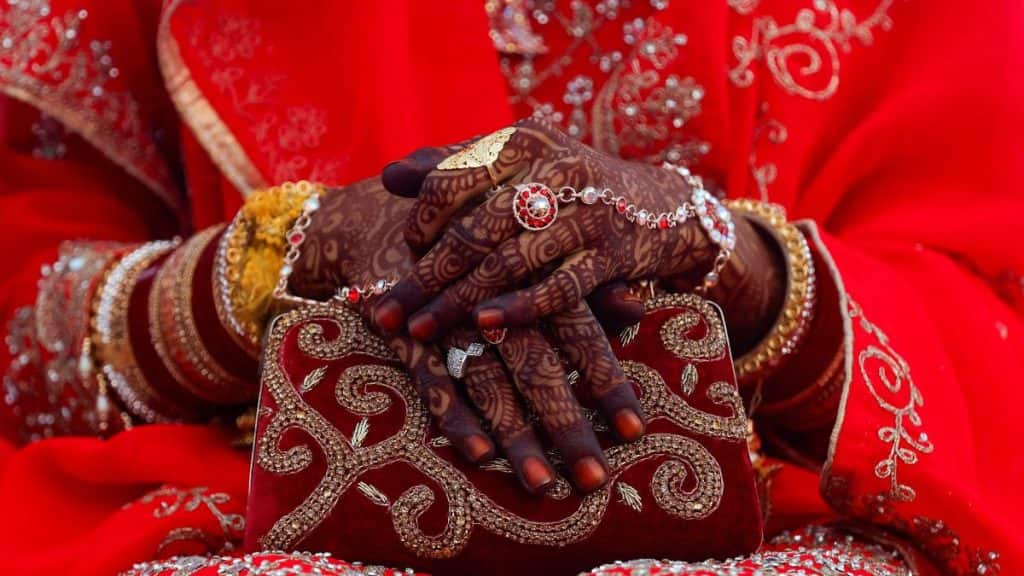
Dowry has been banned in India since 1961. Representational Image/Reuters
At 21,266, Uttar Pradesh reported the highest number of cases of cruelty against wives by husbands or in-laws. Rajasthan recorded the second-most such cases with 10,578, followed by Maharashtra at 10,538. Karnataka witnessed 2,947 such incidents.
Between 2017 and 2022, an average of around 7,000 women died annually due to dowry-related issues.
Delhi saw the highest number of dowry deaths among 19 metropolitan cities in 2024. The national capital has topped the list over the last five years.
The city reported 109 dowry deaths involving 111 victims, with a crime rate of 1.4 per lakh population, as per the NCRB data.
Kanpur reported the second-highest number of dowry death cases in 2024, involving 54 incidents and victims. Its crime rate stood higher at 4 per lakh population. Patna was third with 30 incidents and victims, and a crime rate of 3.1.
Bengaluru logged 25 dowry-related deaths in 2024. Hyderabad reported 14 such fatalities.
Several other south Indian cities, including Chennai, Kozhikode, Kochi and Coimbatore, reported no dowry deaths that year.
Why dowry still exists in India
Dowry has been illegal in India since 1961. Under Section 80 of BNS, previously Section 304B of the Indian Penal Code (IPC), a dowry death case is filed when a woman dies under unnatural circumstances within seven years of marriage and investigators confirm that she faced cruelty or harassment linked to dowry demands shortly before her death.
Despite the law, the practice of dowry continues to thrive in India, with only the northeastern states of Arunachal Pradesh, Sikkim, Mizoram and Nagaland being the exceptions.
Meenakshi Bali, writer and activist, told Deccan Herald that the “issue is easy enough to resolve, but socio-economic factors have made it more complex than necessary. The version presented by patriarchy has changed how we speak about it.”
Many women continue to face domestic abuse and, sometimes, are even driven to their death by their husbands and in-laws over dowry demands. The stigma associated with a married woman living at her paternal home often discourages women from leaving such abusive households or seeking a divorce. Many times, the parents tell women to "adjust" and "compromise" in the face of domestic abuse.
Moreover, the normalisation of “gift-giving” between the families of the bride and groom further sustains the practice of dowry.
A study published in 2023 found that the prevalence of dowry in India increased as education and job opportunities for men improved over the decades.
"Higher quality grooms", who are well-educated and have better quality jobs, demand higher dowries.
"Strong economic factors perpetuate dowry. On the bride side, families who refuse to pay dowry for their daughters are left with 'lower quality' grooms. Grooms have a strong economic incentive to accept dowry, particularly if their family has to pay dowry for its own female children or wants to recoup investments in groom's education,"
Some argue that the higher number of dowry cases indicates more victims are reporting the crime, but not necessarily that there has been a rise in the crime itself. Still, dowry remains under-reported in India. The actual numbers are expected to be higher.
Conviction rates, however, have been low. Every year, between 2017 and 2022, an average of 7,000 cases of dowry deaths were reported in India, The Hindu reported, citing NCRB data.
The investigations into these cases were slow and convictions were few.
Of the 7,000 dowry deaths recorded every year on average, only around 4,500 were charge-sheeted by the police. Some cases remained in the investigation stage for more than six months.
Convictions happened only in a few cases, while the rest got stuck in court procedures or were disposed of by the courts due to various reasons. In some cases, the accused were acquitted due to a lack of evidence.
As dowry continues to claim the lives of women, are India's stringent laws enough to curb the menace? It does not appear so.
With inputs from agencies