





What is the story about?
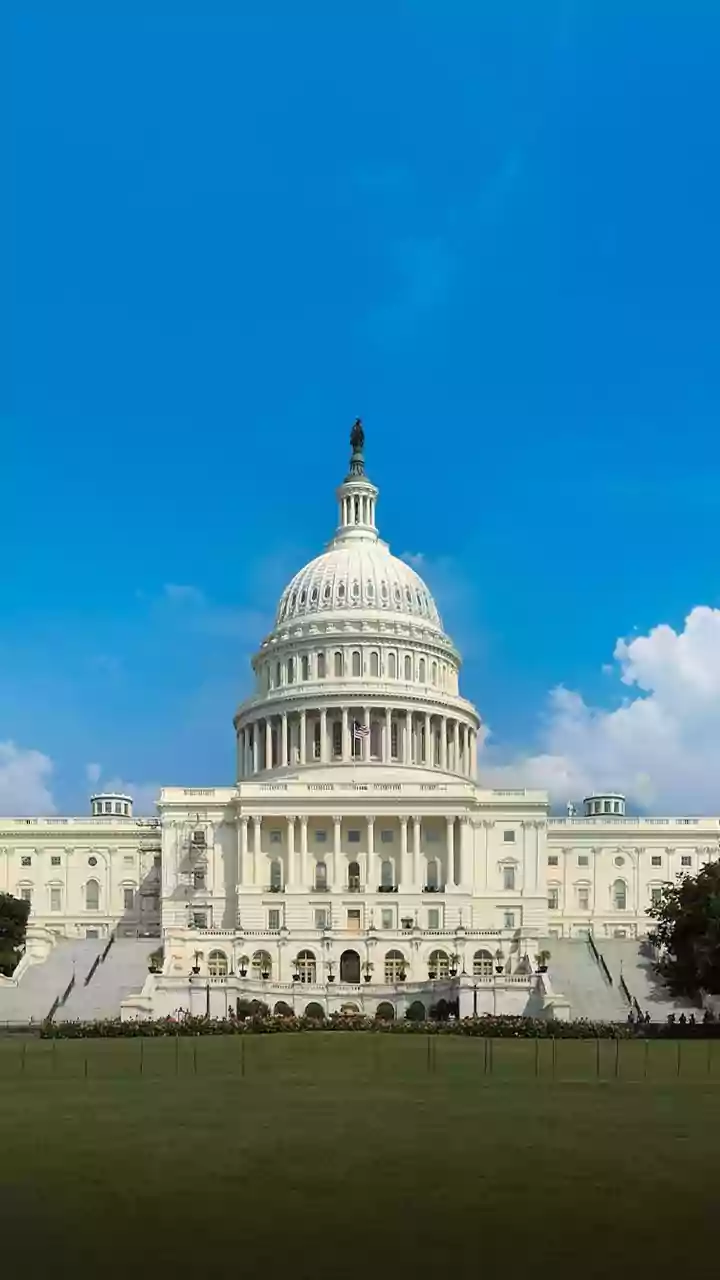
The United States House of Representatives on Wednesday delivered the most direct challenge yet to US President Donald Trump's military campaign against Iran, approving a war powers resolution aimed at limiting further American involvement in a conflict that has now stretched beyond three months.
The vote, which passed 215-208, revealed growing unease among some Republicans over the administration's handling of the conflict. Four Republican lawmakers joined Democrats to support the resolution, while no Democrats voted against it.
Yet despite the dramatic political optics, the measure does not immediately bring an end to US military operations against Iran.
The resolution approved by the House directs Trump to withdraw American forces from Iran unless Congress formally authorises military action or issues a declaration of war.
Its passage represented a breakthrough for lawmakers who have repeatedly attempted to invoke congressional war powers since the conflict began. Three previous war powers resolutions failed in the House, though each successive attempt attracted greater support.
Republican leaders had already demonstrated their apprehension about the measure's chances of success. Last month, House leadership abruptly postponed a planned vote when it appeared the resolution might secure enough support to pass.
Two weeks ago, US House Speaker Mike Johnson again sought to prevent a vote that would publicly expose the extent of growing opposition to the war within Republican ranks. Nevertheless, dissatisfaction among lawmakers continued to increase as military operations persisted and diplomatic efforts struggled to produce a lasting settlement.
When voting finally took place, the resolution was approved by a margin of seven votes.
Representatives Tom Barrett of Michigan, Warren Davidson of Ohio, Brian Fitzpatrick of Pennsylvania and Thomas Massie of Kentucky crossed party lines and joined Democrats in backing the measure.
No Democratic member voted against it, while seven House members did not participate in the vote.
The result was immediately interpreted as a significant political setback for Trump, despite Republicans maintaining narrow majorities in both chambers of Congress as cheers reportedly broke out in the House chamber after the vote.
Still, the House vote alone does not determine the future of the conflict.
Although the House has approved the measure, it must still clear several substantial hurdles before it can compel any change in US military policy.
The first challenge lies in the Senate. A similar war powers resolution has already advanced through a procedural stage in the upper chamber.
Last month, a small group of Republican senators joined Democrats in helping move the proposal forward after seven previous attempts had failed. However, Senate leaders have not yet scheduled a final vote on the measure, leaving its future uncertain.
Even if the Senate eventually approves its version of the resolution, another obstacle awaits. Trump is widely expected to veto any legislation designed to restrict his authority as commander-in-chief.
The administration has consistently defended the military campaign and has questioned the constitutionality of congressional attempts to curtail presidential war-making powers through the War Powers Act.
A presidential veto would force opponents of the war to seek a two-thirds supermajority in both chambers of Congress to override the president's decision.
The House vote itself demonstrates how difficult that task would be. With the resolution passing 215-208, supporters remain well short of the numbers required to overcome a presidential veto.
The timing of the House vote was closely linked to provisions contained in the 1973 War Powers Act. That law was designed to ensure congressional oversight of military engagements by requiring presidents to obtain legislative approval when hostilities continue beyond a specific timeframe.
The Iran conflict has now surpassed the 90-day mark, raising questions on whether the administration should seek explicit congressional authorisation.
Democrats have repeatedly maintained that only Congress possesses the authority to declare war under the US Constitution.
They have argued that the president expanded American involvement in the conflict without first securing approval from lawmakers and without presenting a clearly defined long-term strategy.
However, the administration has responded with a different interpretation.
Officials have pointed to the temporary ceasefire announced in April, arguing that active hostilities were interrupted and that the timeline established under the War Powers Act should therefore be considered reset.
This position has become one of the White House's principal arguments against the resolution. According to administration officials, the ceasefire altered the legal circumstances surrounding the conflict and reduced the applicability of the statutory deadlines cited by critics.
Democrats have repeatedly argued that the conflict risks drawing the United States into another lengthy military engagement in West Asia without a clearly defined end state.
Many have also focused on the war's economic consequences. Since the United States joined Israel in launching strikes against Iran on February 28, Americans have experienced rising costs across several sectors of the economy.
Lawmakers opposing the war have highlighted higher gasoline prices, increased food costs and broader inflationary pressures affecting households nationwide. Producer prices registered their largest increase in four years during April, driven by surging costs for both goods and services since the conflict began.
One of the most significant consequences has involved the Strait of Hormuz, one of the world's most strategically important maritime corridors.
Iran has demonstrated an ability to disrupt shipping through the narrow waterway, which serves as a crucial route for global supplies of oil, natural gas and related products, including fertiliser.
Interruptions to commercial traffic through the strait have contributed to rising energy prices. Higher fuel costs have added to inflationary pressures, while businesses have faced increased expenses linked to transportation and supply chains.
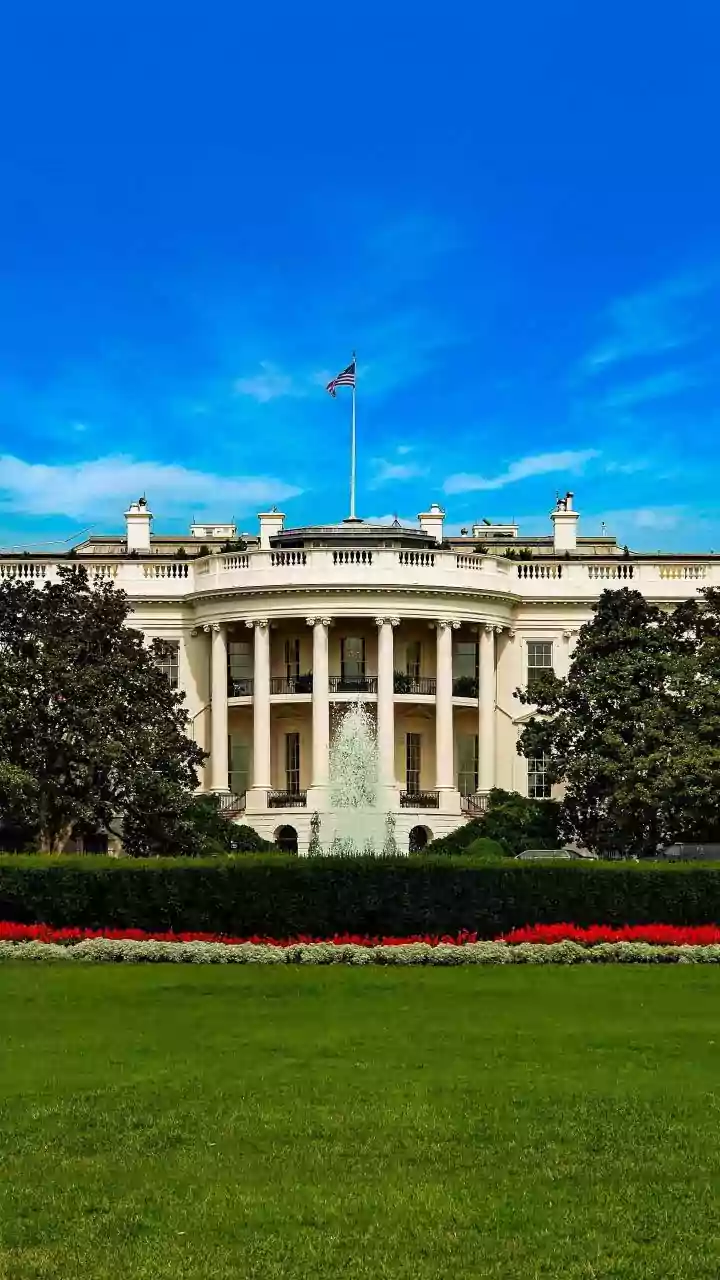
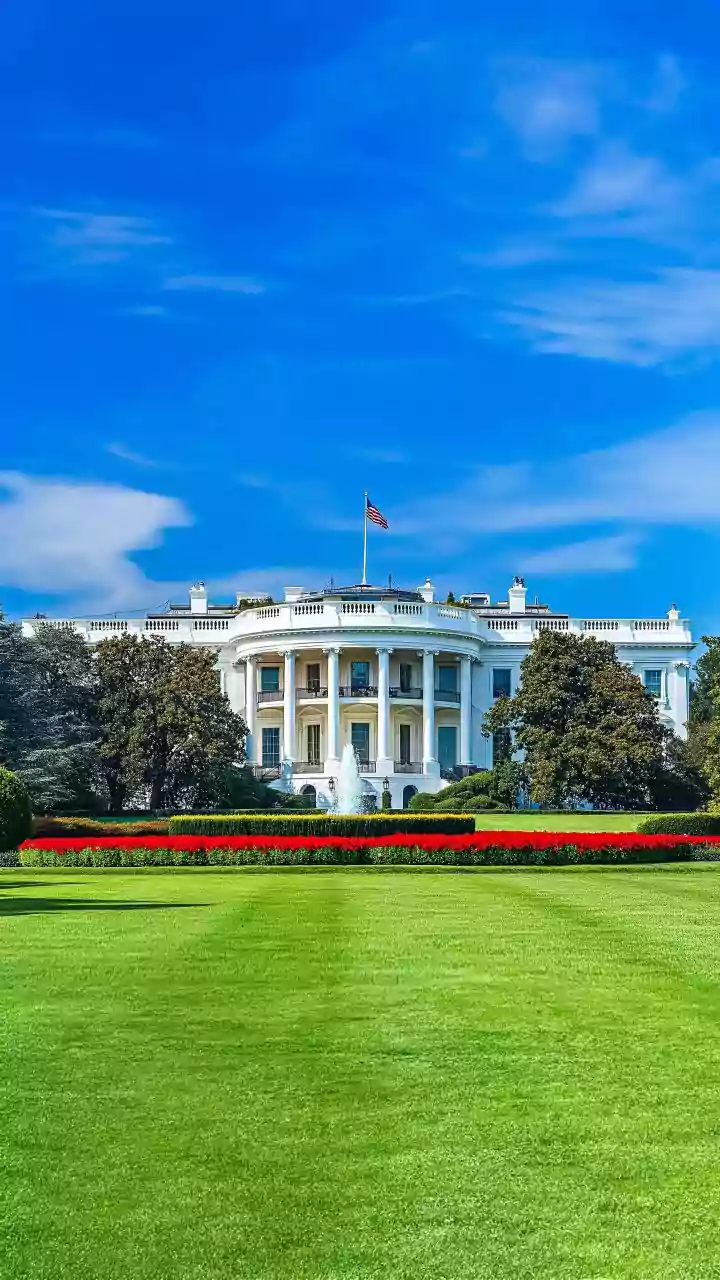
Johnson sought to reassure lawmakers that efforts were underway to restore normal commercial activity. He said he had spent three hours with Trump at the White House earlier in the week discussing the situation.
According to the speaker, the administration is working with allies to reopen the waterway and restore commerce. "We’re working on that final piece," said Johnson. "The entire world has an interest in the Strait of Hormuz being reopen for commerce. That what he’s working on."
These economic effects have become part Democratic messaging ahead of November's midterm elections, which will determine whether Republicans retain control of Congress.
Johnson also rejected suggestions that the president had become distracted from domestic priorities.
Representative Gregory Meeks, the ranking Democrat on the House Foreign Affairs Committee and sponsor of the resolution said, "Enough is enough." "It is time for the president to do the right thing," he added during the debate..
"The people are tired of suffering because of his war of choice — suffering at the gas pump, suffering at the supermarkets." After the vote, Meeks framed the outcome as evidence that public opinion was influencing lawmakers from both parties.
"The passage of this WPR today signals a significant turning point: more and more Republicans are listening to their constituents who do not want another open-ended war in the Middle East," Meeks said in a statement after the vote.
The support from four Republican lawmakers only spotlighted the growing discomfort among some members of Trump's own party. The vote represented one of the clearest examples yet of Republican lawmakers breaking with the president on a major national security issue.
The Trump administration maintains that the campaign is aimed at preventing Iran from acquiring a nuclear weapon and contend that military pressure remains an essential component of that objective.
Trump's supporters have also dismissed the war powers resolutions as political manoeuvres designed to weaken the president.
Most Republicans have characterised the resolutions as partisan efforts intended to score political points against the administration while limiting America's ability to respond to security threats.
The administration has also argued that congressional restrictions could undermine ongoing diplomatic efforts.
Appearing before the House Foreign Affairs Committee, US Secretary of State Marco Rubio warned lawmakers that passage of the resolution could send the wrong message to Tehran.
Rubio argued that Iranian leaders would believe the administration's "hands are going to be tied" if Congress imposed restrictions on military action.
According to Rubio, they would think "we won’t be able to do anything to them, so why make a deal?"
For much of Trump's second term, public resistance from Republican members of Congress remained limited. In recent weeks, however, several issues have exposed fractures within the party.
Lawmakers have criticised Trump's proposal to establish a "weaponisation" fund intended to compensate political allies who claimed they had been targeted by government abuse.
Republicans have also expressed concerns about the president's decision to appoint loyalist Bill Pulte as acting director of national intelligence despite his lack of national security experience.
The Iran vote therefore adds to the pattern in which some Republican lawmakers have demonstrated a willingness to break with the White House. The same trend was visible on Wednesday when the House approved a procedural measure allowing consideration of the Ukraine Support Act.
That legislation, which would authorise security assistance for Ukraine and support reconstruction efforts, reached the House floor only after a discharge petition obtained the required 218 signatures.
Six Republicans and one independent who generally votes alongside Republicans supported the procedural step. Democrats are also pursuing additional national security initiatives, including measures related to Lebanon and continued support for Ukraine.
With inputs from agencies
The vote, which passed 215-208, revealed growing unease among some Republicans over the administration's handling of the conflict. Four Republican lawmakers joined Democrats to support the resolution, while no Democrats voted against it.
Yet despite the dramatic political optics, the measure does not immediately bring an end to US military operations against Iran.
What did the House approve?
The resolution approved by the House directs Trump to withdraw American forces from Iran unless Congress formally authorises military action or issues a declaration of war.
Its passage represented a breakthrough for lawmakers who have repeatedly attempted to invoke congressional war powers since the conflict began. Three previous war powers resolutions failed in the House, though each successive attempt attracted greater support.
Republican leaders had already demonstrated their apprehension about the measure's chances of success. Last month, House leadership abruptly postponed a planned vote when it appeared the resolution might secure enough support to pass.
Two weeks ago, US House Speaker Mike Johnson again sought to prevent a vote that would publicly expose the extent of growing opposition to the war within Republican ranks. Nevertheless, dissatisfaction among lawmakers continued to increase as military operations persisted and diplomatic efforts struggled to produce a lasting settlement.
When voting finally took place, the resolution was approved by a margin of seven votes.
Representatives Tom Barrett of Michigan, Warren Davidson of Ohio, Brian Fitzpatrick of Pennsylvania and Thomas Massie of Kentucky crossed party lines and joined Democrats in backing the measure.
No Democratic member voted against it, while seven House members did not participate in the vote.
The result was immediately interpreted as a significant political setback for Trump, despite Republicans maintaining narrow majorities in both chambers of Congress as cheers reportedly broke out in the House chamber after the vote.
Still, the House vote alone does not determine the future of the conflict.
Why won't the House vote immediately stop the war?
Although the House has approved the measure, it must still clear several substantial hurdles before it can compel any change in US military policy.
The first challenge lies in the Senate. A similar war powers resolution has already advanced through a procedural stage in the upper chamber.
Last month, a small group of Republican senators joined Democrats in helping move the proposal forward after seven previous attempts had failed. However, Senate leaders have not yet scheduled a final vote on the measure, leaving its future uncertain.
Even if the Senate eventually approves its version of the resolution, another obstacle awaits. Trump is widely expected to veto any legislation designed to restrict his authority as commander-in-chief.
The administration has consistently defended the military campaign and has questioned the constitutionality of congressional attempts to curtail presidential war-making powers through the War Powers Act.
A presidential veto would force opponents of the war to seek a two-thirds supermajority in both chambers of Congress to override the president's decision.
The House vote itself demonstrates how difficult that task would be. With the resolution passing 215-208, supporters remain well short of the numbers required to overcome a presidential veto.
How does the War Powers Act fit into the dispute?
The timing of the House vote was closely linked to provisions contained in the 1973 War Powers Act. That law was designed to ensure congressional oversight of military engagements by requiring presidents to obtain legislative approval when hostilities continue beyond a specific timeframe.
The Iran conflict has now surpassed the 90-day mark, raising questions on whether the administration should seek explicit congressional authorisation.
Democrats have repeatedly maintained that only Congress possesses the authority to declare war under the US Constitution.
They have argued that the president expanded American involvement in the conflict without first securing approval from lawmakers and without presenting a clearly defined long-term strategy.
However, the administration has responded with a different interpretation.
Officials have pointed to the temporary ceasefire announced in April, arguing that active hostilities were interrupted and that the timeline established under the War Powers Act should therefore be considered reset.
This position has become one of the White House's principal arguments against the resolution. According to administration officials, the ceasefire altered the legal circumstances surrounding the conflict and reduced the applicability of the statutory deadlines cited by critics.
Why are Democrats and some Republicans opposing the war?
Democrats have repeatedly argued that the conflict risks drawing the United States into another lengthy military engagement in West Asia without a clearly defined end state.
Many have also focused on the war's economic consequences. Since the United States joined Israel in launching strikes against Iran on February 28, Americans have experienced rising costs across several sectors of the economy.
Lawmakers opposing the war have highlighted higher gasoline prices, increased food costs and broader inflationary pressures affecting households nationwide. Producer prices registered their largest increase in four years during April, driven by surging costs for both goods and services since the conflict began.
One of the most significant consequences has involved the Strait of Hormuz, one of the world's most strategically important maritime corridors.
Iran has demonstrated an ability to disrupt shipping through the narrow waterway, which serves as a crucial route for global supplies of oil, natural gas and related products, including fertiliser.
Interruptions to commercial traffic through the strait have contributed to rising energy prices. Higher fuel costs have added to inflationary pressures, while businesses have faced increased expenses linked to transportation and supply chains.
Johnson sought to reassure lawmakers that efforts were underway to restore normal commercial activity. He said he had spent three hours with Trump at the White House earlier in the week discussing the situation.
According to the speaker, the administration is working with allies to reopen the waterway and restore commerce. "We’re working on that final piece," said Johnson. "The entire world has an interest in the Strait of Hormuz being reopen for commerce. That what he’s working on."
These economic effects have become part Democratic messaging ahead of November's midterm elections, which will determine whether Republicans retain control of Congress.
Johnson also rejected suggestions that the president had become distracted from domestic priorities.
Representative Gregory Meeks, the ranking Democrat on the House Foreign Affairs Committee and sponsor of the resolution said, "Enough is enough." "It is time for the president to do the right thing," he added during the debate..
"The people are tired of suffering because of his war of choice — suffering at the gas pump, suffering at the supermarkets." After the vote, Meeks framed the outcome as evidence that public opinion was influencing lawmakers from both parties.
"The passage of this WPR today signals a significant turning point: more and more Republicans are listening to their constituents who do not want another open-ended war in the Middle East," Meeks said in a statement after the vote.
The support from four Republican lawmakers only spotlighted the growing discomfort among some members of Trump's own party. The vote represented one of the clearest examples yet of Republican lawmakers breaking with the president on a major national security issue.
What is the Trump administration's defence of the conflict?
The Trump administration maintains that the campaign is aimed at preventing Iran from acquiring a nuclear weapon and contend that military pressure remains an essential component of that objective.
Trump's supporters have also dismissed the war powers resolutions as political manoeuvres designed to weaken the president.
Most Republicans have characterised the resolutions as partisan efforts intended to score political points against the administration while limiting America's ability to respond to security threats.
The administration has also argued that congressional restrictions could undermine ongoing diplomatic efforts.
Appearing before the House Foreign Affairs Committee, US Secretary of State Marco Rubio warned lawmakers that passage of the resolution could send the wrong message to Tehran.
Rubio argued that Iranian leaders would believe the administration's "hands are going to be tied" if Congress imposed restrictions on military action.
According to Rubio, they would think "we won’t be able to do anything to them, so why make a deal?"
Is US Congress becoming more willing to challenge Trump?
For much of Trump's second term, public resistance from Republican members of Congress remained limited. In recent weeks, however, several issues have exposed fractures within the party.
Lawmakers have criticised Trump's proposal to establish a "weaponisation" fund intended to compensate political allies who claimed they had been targeted by government abuse.
Republicans have also expressed concerns about the president's decision to appoint loyalist Bill Pulte as acting director of national intelligence despite his lack of national security experience.
The Iran vote therefore adds to the pattern in which some Republican lawmakers have demonstrated a willingness to break with the White House. The same trend was visible on Wednesday when the House approved a procedural measure allowing consideration of the Ukraine Support Act.
That legislation, which would authorise security assistance for Ukraine and support reconstruction efforts, reached the House floor only after a discharge petition obtained the required 218 signatures.
Six Republicans and one independent who generally votes alongside Republicans supported the procedural step. Democrats are also pursuing additional national security initiatives, including measures related to Lebanon and continued support for Ukraine.
With inputs from agencies