








What is the story about?
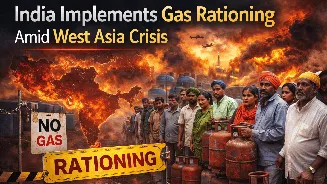
It's PNG (Piped Natural Gas) vs LPG (Liquefied Petroleum Gas) as the US-Israel-Iran war chokes the Strait of Hormuz. As the conflict in West Asia enters its second week, the “Great Gas Rejig” has emerged as the main talking point among millions of Indian households. According to reports, India has legally prioritised PNG over industrial and commercial needs.
Under the newly notified Natural Gas (Supply Regulation) Order, 2026, the central government has allowed gas to be redirected from petrochemical plants and refineries to ensure that residential pipelines operate at full capacity.
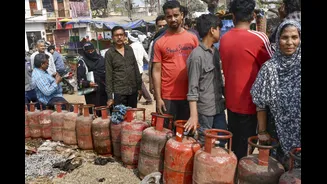
While LPG distribution loses momentum amid the Hormuz crisis, PNG supplies remained largely uninterrupted in major cities. However, the question remains, will it last, or be affected in India after LPG?
We take a look.
India consumed about 31.3 million tonnes of LPG in FY2024-25, whereas the domestic production remained at roughly 12.8 million tonnes, according to Ministry of Petroleum and Natural Gas (MoPNG) data. Its import was close to 60 per cent of total demand.
Petroleum Planning and Analysis Cell (PPAC) data suggest that India has more than 33.2 crore active LPG connections, including more than 10 crore beneficiaries under the Pradhan Mantri Ujjwala Yojana (PMUY).
Government briefings in March 2026 indicated that nearly 90 per cent of India’s LPG imports typically transit through the Strait of Hormuz, one of the world’s most vital energy chokepoints.
Estimates from S&P Global suggest the strait influences more than half of India’s LPG consumption when transit routes are considered,
NDTV reported.
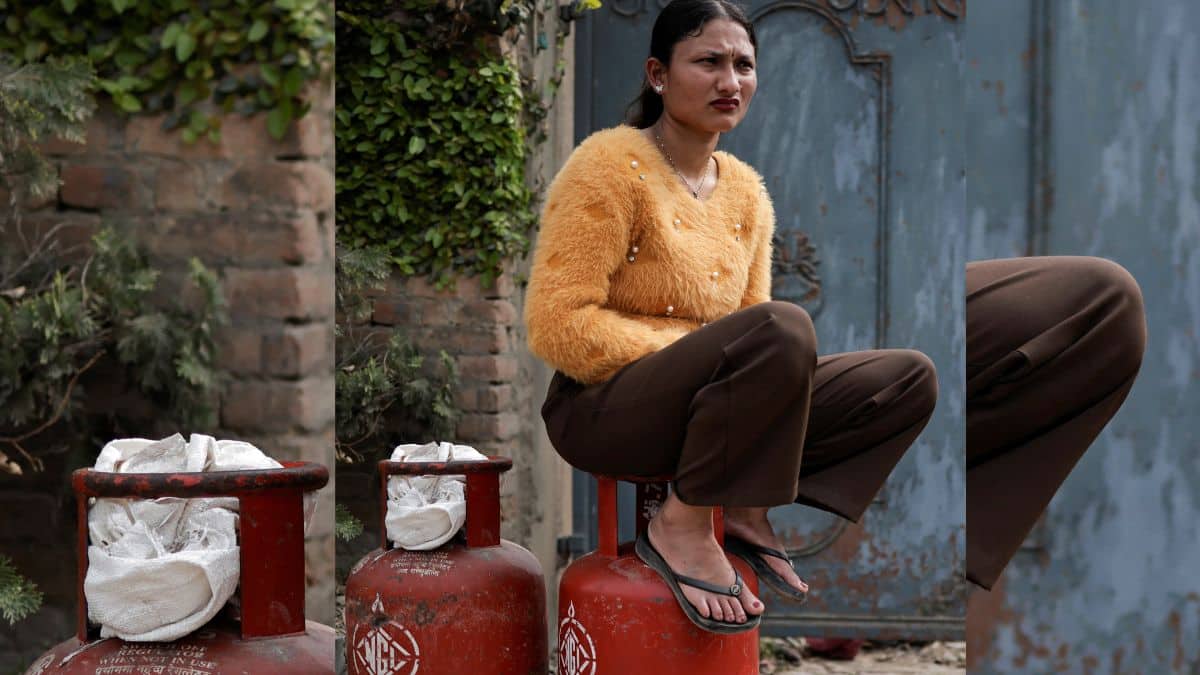
While LPG distribution has been disrupted, PNG supplies to households in major cities have remained largely uninterrupted. The difference lies in the structure of their delivery systems.
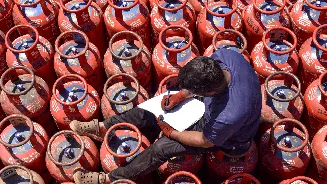
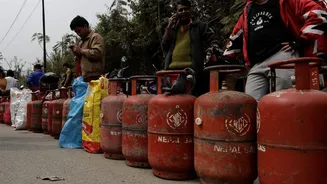
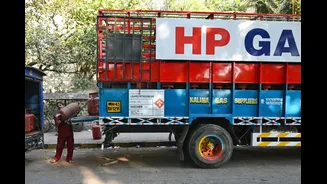
LPG relies heavily on logistics. After being produced or imported, it moves through several stages: storage at terminals, transport to bottling plants, cylinder filling, trucking to distributors, and then finally delivery to households.
In contrast, PNG operates through a continuous pipeline network. Natural gas travels from production fields or import terminals through the national gas grid to city gas distribution systems, and then directly to household meters.
To avert a domestic energy crisis, the Centre has invoked the Essential Commodities Act, 1955, granting itself the authority to override existing commercial contracts.
Under the order, Priority Sector I, which covers domestic PNG for households and CNG for transport, is assured 100 per cent of its past six-month average consumption, the Economic Times reported.
This simply means that as long as gas remains operationally available in the national grid, it must first be funnelled to household pipelines before being supplied to factories or power plants.
For most residents, gas supply is expected to remain uninterrupted, though distributors are tightening billing enforcement.
Aavantika Gas told the Times of India (TOI) that if supply constraints worsen, gas services will first be cut for domestic and industrial consumers with long-standing unpaid bills.
The Ministry has tasked GAIL Gas Authority of India Limited with managing a “pooled price” mechanism to ensure that even diverted gas remains affordable for priority sectors like home kitchens.
"Domestic PNG supply will largely remain unaffected, and continuity will be maintained," said Manish Verma, marketing head of Aavantika Gas Limited in Madhya Pradesh,
TOI reported.
In Uttar Pradesh, Praveen Singh, DGM Marketing of Green Gas Limited, told the media publication, "His firm is currently meeting 100 per cent of PNG demand in Lucknow and Agra."
Despite its resilience, PNG currently serves merely a small share of India's households. As of late 2024, India had about 1.36 crore domestic PNG connections, compared with 33.2 crore LPG connections. In simple words, PNG currently serves only around 4 per cent of the households that rely on LPG.
The government and the Petroleum and Natural Gas Regulatory Board (PNGRB) have outlined major expansion plans. By mid-2025, the national gas pipeline network had around 25,400 km operational, with another 10,400 km under construction as part of the “One Nation, One Grid” gas infrastructure plan, according to an
NDTV report.
PNGRB projections aim for 12.63 crore PNG connections by 2034. But even if this target is achieved, most households would still depend on LPG for cooking.
According to analysts, PNG’s advantage currently lies not in its scale, but in the way its infrastructure is designed.
During a period of global energy turbulence, the pipeline network showed what energy planners have long argued: systems with a continuous supply network can handle disruptions better than those that rely on complicated physical distribution chains.
With inputs from agencies
Under the newly notified Natural Gas (Supply Regulation) Order, 2026, the central government has allowed gas to be redirected from petrochemical plants and refineries to ensure that residential pipelines operate at full capacity.
While LPG distribution loses momentum amid the Hormuz crisis, PNG supplies remained largely uninterrupted in major cities. However, the question remains, will it last, or be affected in India after LPG?
We take a look.
LPG vs PNG: India's dependence
India consumed about 31.3 million tonnes of LPG in FY2024-25, whereas the domestic production remained at roughly 12.8 million tonnes, according to Ministry of Petroleum and Natural Gas (MoPNG) data. Its import was close to 60 per cent of total demand.
Petroleum Planning and Analysis Cell (PPAC) data suggest that India has more than 33.2 crore active LPG connections, including more than 10 crore beneficiaries under the Pradhan Mantri Ujjwala Yojana (PMUY).
Government briefings in March 2026 indicated that nearly 90 per cent of India’s LPG imports typically transit through the Strait of Hormuz, one of the world’s most vital energy chokepoints.
Estimates from S&P Global suggest the strait influences more than half of India’s LPG consumption when transit routes are considered,
PNGRB projections aim for 12.63 crore PNG connections by 2034. But even if this target is achieved, most households would still depend on LPG for cooking. Reuters
While LPG distribution has been disrupted, PNG supplies to households in major cities have remained largely uninterrupted. The difference lies in the structure of their delivery systems.
LPG relies heavily on logistics. After being produced or imported, it moves through several stages: storage at terminals, transport to bottling plants, cylinder filling, trucking to distributors, and then finally delivery to households.
In contrast, PNG operates through a continuous pipeline network. Natural gas travels from production fields or import terminals through the national gas grid to city gas distribution systems, and then directly to household meters.
How is the govt protecting piped gas?
To avert a domestic energy crisis, the Centre has invoked the Essential Commodities Act, 1955, granting itself the authority to override existing commercial contracts.
Under the order, Priority Sector I, which covers domestic PNG for households and CNG for transport, is assured 100 per cent of its past six-month average consumption, the Economic Times reported.
This simply means that as long as gas remains operationally available in the national grid, it must first be funnelled to household pipelines before being supplied to factories or power plants.
Is PNG at risk of being cut off?
For most residents, gas supply is expected to remain uninterrupted, though distributors are tightening billing enforcement.
Aavantika Gas told the Times of India (TOI) that if supply constraints worsen, gas services will first be cut for domestic and industrial consumers with long-standing unpaid bills.
The Ministry has tasked GAIL Gas Authority of India Limited with managing a “pooled price” mechanism to ensure that even diverted gas remains affordable for priority sectors like home kitchens.
"Domestic PNG supply will largely remain unaffected, and continuity will be maintained," said Manish Verma, marketing head of Aavantika Gas Limited in Madhya Pradesh,
In Uttar Pradesh, Praveen Singh, DGM Marketing of Green Gas Limited, told the media publication, "His firm is currently meeting 100 per cent of PNG demand in Lucknow and Agra."
What are the limits of Piped Natural Gas?
Despite its resilience, PNG currently serves merely a small share of India's households. As of late 2024, India had about 1.36 crore domestic PNG connections, compared with 33.2 crore LPG connections. In simple words, PNG currently serves only around 4 per cent of the households that rely on LPG.
The government and the Petroleum and Natural Gas Regulatory Board (PNGRB) have outlined major expansion plans. By mid-2025, the national gas pipeline network had around 25,400 km operational, with another 10,400 km under construction as part of the “One Nation, One Grid” gas infrastructure plan, according to an
PNGRB projections aim for 12.63 crore PNG connections by 2034. But even if this target is achieved, most households would still depend on LPG for cooking.
According to analysts, PNG’s advantage currently lies not in its scale, but in the way its infrastructure is designed.
During a period of global energy turbulence, the pipeline network showed what energy planners have long argued: systems with a continuous supply network can handle disruptions better than those that rely on complicated physical distribution chains.
With inputs from agencies