





What is the story about?
Iran on Sunday warned countries against becoming involved in its conflict with the United States and Israel after Donald Trump urged world powers to deploy ships to escort oil tankers through the strategic Strait of Hormuz.
The warning came as energy prices surged globally following Iranian threats to disrupt shipping through the vital Gulf chokepoint, which links major oil and gas exporters to international markets, heightening fears of further escalation in the widening regional conflict.
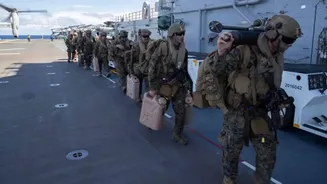
Trump on Saturday urged countries including China, France, Japan, South Korea and the United Kingdom to deploy vessels to escort tankers through the chokepoint. At the same time, he said the U.S. military would continue targeting Iranian drone, missile and boat launch sites located along the northern coast of the strait.
However, the countries mentioned have so far responded cautiously. During a phone call with French Foreign Minister Jean-Noel Barrot, Iran’s top diplomat Abbas Araghchi urged governments to avoid steps that could escalate the conflict further.
The UK ministry of defence was non-committal. "As we've said previously, we are currently discussing with our allies and partners a range of options to ensure the security of shipping in the region," it said.
Britain's minister for energy security, Ed Miliband, told the BBC the "plan now has to be to de-escalate the conflict... We are talking to our allies. There are different ways in which we can make maritime shipping possible."
South Korea said it was "closely monitoring President Trump's remarks on social media" while Takayuki Kobayashi, policy chief of Japanese Prime Minister Sanae Takaichi's ruling party, said the bar for sending Japanese navy ships to the region under existing laws was "extremely high".
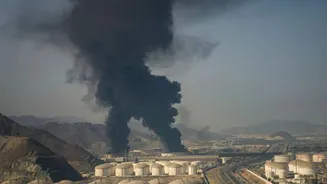
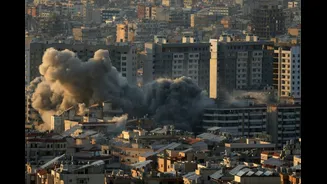
Global oil prices have surged by 40 percent as Iran has choked off the vital sea passage and attacked energy and shipping industry targets in its Gulf neighbours. The strikes were in retaliation for the US and Israeli air campaign that killed its supreme leader and triggered the regional Middle East war.
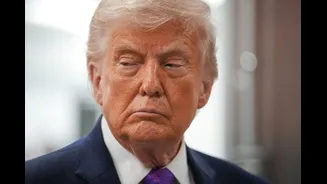
As global markets reel, Trump has doubled down, telling NBC News in a weekend interview that he thought Tehran was keen to come to the table but that the US would fight on to enforce better terms.
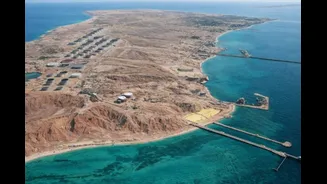
He said might, again, bomb targets on Iran's oil hub, Kharg Island, "just for fun".
"Iran wants to make a deal, and I don't want to make it because the terms aren't good enough yet," Trump told NBC News.
Iran's new supreme leader, Ayatollah Mojtaba Khamenei, has -- in a written statement -- vowed to keep Hormuz closed.
But Trump dismissed this and suggested his foe might not even be in control, saying: "I don't know if he's even alive. So far, nobody has been able to show him."
Iran said on Saturday that "there is no problem with the new supreme leader", even though he has yet to appear in public.
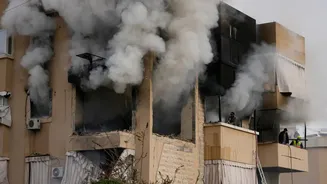
The Israeli military, meanwhile, announced a wave of strikes against targets in western Iran, after Iran's Revolutionary Guards branded Prime Minister Benjamin Netanyahu a criminal and vowed that they would pursue and kill him.
With inputs from agencies
The warning came as energy prices surged globally following Iranian threats to disrupt shipping through the vital Gulf chokepoint, which links major oil and gas exporters to international markets, heightening fears of further escalation in the widening regional conflict.
Trump on Saturday urged countries including China, France, Japan, South Korea and the United Kingdom to deploy vessels to escort tankers through the chokepoint. At the same time, he said the U.S. military would continue targeting Iranian drone, missile and boat launch sites located along the northern coast of the strait.
However, the countries mentioned have so far responded cautiously. During a phone call with French Foreign Minister Jean-Noel Barrot, Iran’s top diplomat Abbas Araghchi urged governments to avoid steps that could escalate the conflict further.
The UK ministry of defence was non-committal. "As we've said previously, we are currently discussing with our allies and partners a range of options to ensure the security of shipping in the region," it said.
Britain's minister for energy security, Ed Miliband, told the BBC the "plan now has to be to de-escalate the conflict... We are talking to our allies. There are different ways in which we can make maritime shipping possible."
South Korea said it was "closely monitoring President Trump's remarks on social media" while Takayuki Kobayashi, policy chief of Japanese Prime Minister Sanae Takaichi's ruling party, said the bar for sending Japanese navy ships to the region under existing laws was "extremely high".
Global oil prices have surged by 40 percent as Iran has choked off the vital sea passage and attacked energy and shipping industry targets in its Gulf neighbours. The strikes were in retaliation for the US and Israeli air campaign that killed its supreme leader and triggered the regional Middle East war.
As global markets reel, Trump has doubled down, telling NBC News in a weekend interview that he thought Tehran was keen to come to the table but that the US would fight on to enforce better terms.
He said might, again, bomb targets on Iran's oil hub, Kharg Island, "just for fun".
"Iran wants to make a deal, and I don't want to make it because the terms aren't good enough yet," Trump told NBC News.
Iran's new supreme leader, Ayatollah Mojtaba Khamenei, has -- in a written statement -- vowed to keep Hormuz closed.
But Trump dismissed this and suggested his foe might not even be in control, saying: "I don't know if he's even alive. So far, nobody has been able to show him."
Iran said on Saturday that "there is no problem with the new supreme leader", even though he has yet to appear in public.
The Israeli military, meanwhile, announced a wave of strikes against targets in western Iran, after Iran's Revolutionary Guards branded Prime Minister Benjamin Netanyahu a criminal and vowed that they would pursue and kill him.
With inputs from agencies