








Indonesia has announced that it has settled all the main issues in its trade discussions with the United States and expects to sign a major agreement by the end of January. The upcoming deal is set to remove a lingering source of uncertainty for Southeast Asia’s largest economy while deepening its commercial relations with a key global partner.
Progress on key issues
Coordinating Minister for Economic Affairs Airlangga Hartarto said on Tuesday that Indonesia and the United States had reached consensus on all essential matters, ensuring the interests of both nations are safeguarded. His statement followed a meeting with US Trade Representative Jamieson Greer in Washington on Monday. Hartarto noted that the text of the agreement has been finalised after extensive consultations, marking a significant advancement toward completion.
Signing and timeline
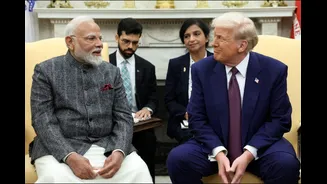
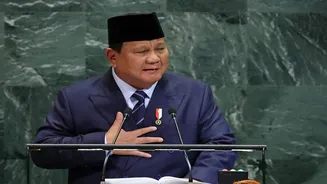
Indonesia’s Ambassador to the United States, Dwisuryo Indroyono Soesilo, confirmed that the accord will be signed by President Prabowo Subianto and President Donald Trump when the Indonesian leader travels to Washington in late January. Financial markets reacted cautiously to the development, with the rupiah and government bond yields remaining stable, while the main stock index in Jakarta fell marginally by 0.3 per cent.
Market reaction and outlook
Analysts suggest that the conclusion of the trade deal could reduce pressure on the rupiah, which has weakened by nearly 4 per cent this year, making it one of Asia’s least performing currencies. Christopher Wong, a strategist at Oversea Chinese Banking Corporation, said the agreement would help remove one of the risk factors weighing on the currency, though a broader recovery would require stronger domestic growth, fiscal stability and renewed foreign inflows.
Mutual benefit in trade
The United States remains one of Indonesia’s major trading partners and contributed the country’s largest non-oil trade surplus last year, amounting to 17 billion dollars. Indonesia’s exports to the US include electronics, footwear, garments, palm oil and fishery products. Under the new arrangement, Washington has agreed to waive tariffs on some key Indonesian commodities such as coffee, cocoa and tea, while American firms will gain increased access to Indonesia’s mineral resources.
Scope of the agreement
The deal follows the framework agreed by both governments in July. It mainly affects labour-intensive sectors that employ around five million Indonesians. Under the terms, Jakarta will lower tariffs on the vast majority of American goods and commit to purchasing around 19 billion dollars in US products, including agricultural supplies and Boeing aircraft.