








What is the story about?
Ukraine is increasingly relying on robots, drones and other unmanned systems to offset battlefield manpower shortages and maintain pressure on Russian forces, marking a major shift in the way the war is being fought.
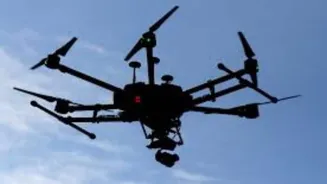
As the conflict enters its fifth year, Ukrainian forces are deploying remotely operated ground vehicles for combat, reconnaissance, logistics and casualty evacuation. Military officials say that these systems have helped in reducing risks to soldiers while allowing Ukraine to continue operations despite mounting personnel challenges.
According to a report by CNN, some combat missions are now carried out entirely by unmanned systems. In one recent operation, explosive-laden ground robots were used to attack Russian frontline positions without any Ukrainian troops entering the combat zone. Operators directed the mission remotely while reconnaissance drones monitored developments from above.
Ukrainian units say that the growing use of robotic systems has significantly reduced battlefield casualties. Dozens of assaults conducted with unmanned ground vehicles achieved results that would otherwise have required thousands of soldiers and potentially led to heavy losses, the report said.
The robots, carrying large explosive payloads, are used to strike enemy trenches and fortified positions. The technology has transformed combat, shifting the emphasis from traditional battlefield skills to technical expertise, remote coordination and innovation.
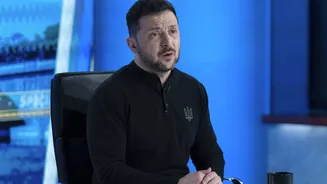
In April, Ukrainian President Volodymyr Zelenskyy said that Ukrainian forces had captured a Russian position using only robots and drones. He also stated that unmanned systems had conducted around 22,000 missions since the beginning of the year, the report added.
According to the report, engineers and software specialists now play a critical role in Ukraine’s war effort. Young technology experts are involved in designing, maintaining and improving robotic systems while ensuring communication links between operators and machines remain functional under combat conditions.
However, challenges remain. Electronic warfare frequently disrupts navigation systems, forcing operators to rely on pre-planned routes, drone footage and alternative guidance methods to complete missions.
At the same time, Ukraine continues to expand the range of robotic platforms being used. Some vehicles are equipped with heavy machine guns and can remain concealed for extended periods before engaging targets. Others are designed to transport ammunition, food and water to frontline positions, reducing the need for soldiers to travel through dangerous areas.
According to the report, the scale of Ukraine’s automation has grown rapidly over the past year. Unmanned ground vehicles, once rare on the battlefield, are becoming increasingly common across different military roles.
Analysts, quoted in the report, say that the trend reflects both necessity and innovation. Facing a larger adversary and ongoing manpower constraints, Ukraine is turning to technology to sustain its defence effort, while reshaping modern warfare in the process.
The increasing use of robots and drones is now emerging as one of the defining features of the conflict.
As the conflict enters its fifth year, Ukrainian forces are deploying remotely operated ground vehicles for combat, reconnaissance, logistics and casualty evacuation. Military officials say that these systems have helped in reducing risks to soldiers while allowing Ukraine to continue operations despite mounting personnel challenges.
According to a report by CNN, some combat missions are now carried out entirely by unmanned systems. In one recent operation, explosive-laden ground robots were used to attack Russian frontline positions without any Ukrainian troops entering the combat zone. Operators directed the mission remotely while reconnaissance drones monitored developments from above.
Robots replacing soldiers on the frontline
Ukrainian units say that the growing use of robotic systems has significantly reduced battlefield casualties. Dozens of assaults conducted with unmanned ground vehicles achieved results that would otherwise have required thousands of soldiers and potentially led to heavy losses, the report said.
The robots, carrying large explosive payloads, are used to strike enemy trenches and fortified positions. The technology has transformed combat, shifting the emphasis from traditional battlefield skills to technical expertise, remote coordination and innovation.
In April, Ukrainian President Volodymyr Zelenskyy said that Ukrainian forces had captured a Russian position using only robots and drones. He also stated that unmanned systems had conducted around 22,000 missions since the beginning of the year, the report added.
Technology becomes a key weapon
According to the report, engineers and software specialists now play a critical role in Ukraine’s war effort. Young technology experts are involved in designing, maintaining and improving robotic systems while ensuring communication links between operators and machines remain functional under combat conditions.
However, challenges remain. Electronic warfare frequently disrupts navigation systems, forcing operators to rely on pre-planned routes, drone footage and alternative guidance methods to complete missions.
At the same time, Ukraine continues to expand the range of robotic platforms being used. Some vehicles are equipped with heavy machine guns and can remain concealed for extended periods before engaging targets. Others are designed to transport ammunition, food and water to frontline positions, reducing the need for soldiers to travel through dangerous areas.
A new phase of war
According to the report, the scale of Ukraine’s automation has grown rapidly over the past year. Unmanned ground vehicles, once rare on the battlefield, are becoming increasingly common across different military roles.
Analysts, quoted in the report, say that the trend reflects both necessity and innovation. Facing a larger adversary and ongoing manpower constraints, Ukraine is turning to technology to sustain its defence effort, while reshaping modern warfare in the process.
The increasing use of robots and drones is now emerging as one of the defining features of the conflict.