




What is the story about?
It seems the Venezuela strikes and the capture of its president, Nicolas Maduro, has emboldened Donald Trump. The US president has moved on to the subject of Greenland, renewing calls for a takeover of the Arctic territory.
While on Sunday (January 4), Trump said that he needed Greenland “very badly”, on Tuesday (January 6), the White House said that the US president is discussing options including military action to take control of Greenland.
The American leader has been vocal on his ambitions for Greenland since 2019. However, the success in Venezuela has vitalised his need for the mineral-rich, self-governing Danish territory with Trump’s top aide, Stephen Miller, noting that the administration is determined to acquire Greenland one way or another.
Before we take a look at what Trump could do to achieve his Greenland ambitions, let’s understand why the American leader is so fixated on this Arctic territory.
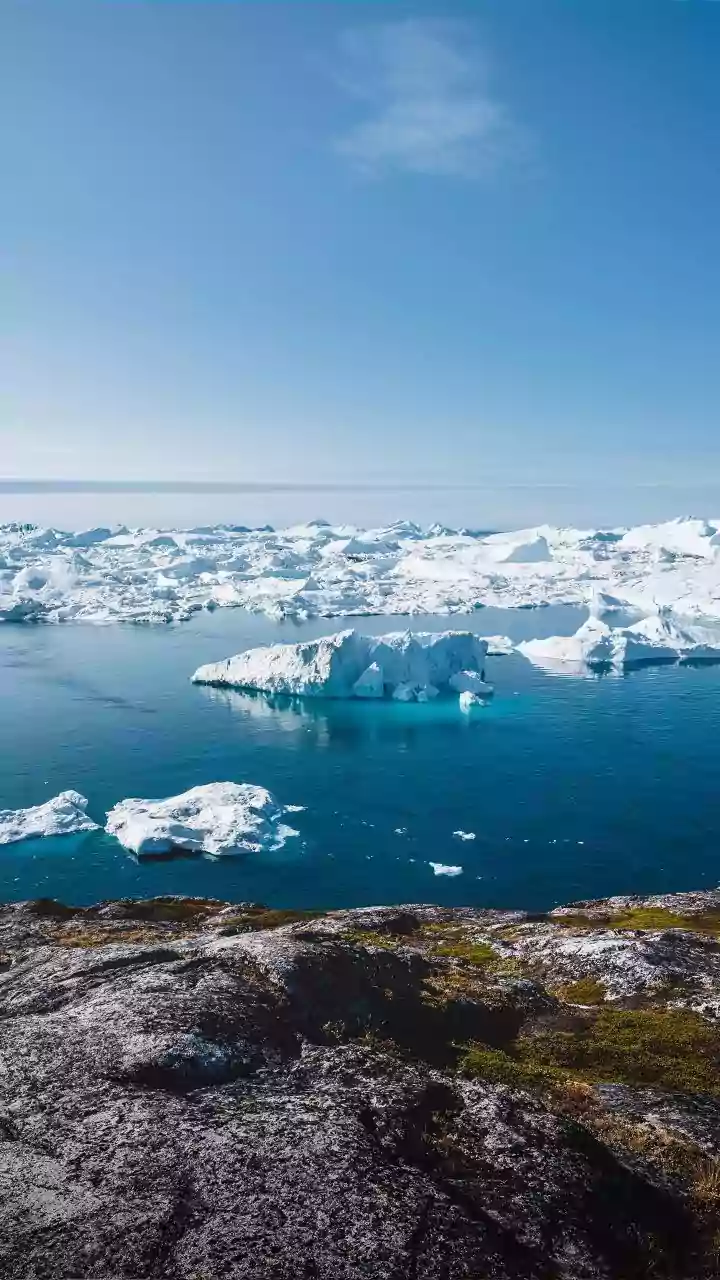
Greenland is a semi-autonomous territory of Denmark, and has been so for years. Straddling the Arctic circle between the US, Russia and Europe, the island with a population of just 57,000 offers a unique geopolitical advantage that America has eyed for more than 150 years. In addition to its location, Greenland also holds rich deposits of various natural resources.
It is home to valuable rare earth minerals that are vital for telecommunications, as well as uranium, billions of untapped barrels of oil and a vast supply of natural gas that used to be inaccessible but is becoming less so. Many of the same minerals are currently mostly supplied by China, so other countries such as the US are interested in tapping into available resources closer to home.
Incidentally, Trump’s interest in Greenland isn’t new; it’s been on his mind and on his agenda for a long time. In 2019, during his first term, he confirmed reports that he had been urging aides to find out how the US could buy the vast Arctic island, describing a sale as “essentially a large real estate deal”.
Then in January 2024, he said he needed control of Greenland for “economic security”. But as recently as Sunday (January 4), he has said he needs Greenland “from the standpoint of national security” – despite the risk this would pose to the future of Nato.
His White House press secretary, Karoline Leavitt, said that “acquiring Greenland is a national security priority” for Trump to deter US adversaries like Russia and China.
Even Stephen Miller, the White House deputy chief of staff, said on Monday that Greenland should be part of the United States. “The president has been clear for months now that the United States should be the nation that has Greenland as part of our overall security apparatus,” Miller said during an interview with CNN on Monday.
As of now, Greenland is a semi-autonomous territory of Denmark. For centuries, Denmark governed Greenland with strict oversight, regulating commerce and allowing only limited contact with the outside world.
In 1979, Greenland achieved home rule. But Denmark still controls Greenland’s foreign and security policy. It has its own parliament, Inatsisartut, and two MPs in the Danish parliament, Folketing. But calls for independence have been growing. Last year, intense anger erupted over investigations into the forced contraceptive (IUD) scandal of the 1960s and 70s, prompting the former Greenlandic prime minister to accuse Denmark of genocide.
On Tuesday, the White House noted that Trump is “discussing a range of options” to acquire Greenland. Leavitt told reporters, “The president and his team are discussing a range of options to pursue this important foreign policy goal, and of course, utilising the US military is always an option at the Commander in Chief’s disposal.”
This doesn’t come as a total shocker, though. Trump has repeatedly refused to rule out using the military to acquire the territory. Last March, he said he would “never take military force off the table” adding that there was a “possibility that we could do it without”.
However, a military intervention in Greenland isn’t as simple as it sounds. Firstly, it would rip apart the agreement that underpins Nato, of which Denmark and the United States are both founding members. Such a move would most definitely damage Washington’s reputation across the world. Also, experts note that such a move may risk escalation as Russia and China would then take steps of its own to protect their perceived interests in the Arctic, leading to a polar arms race and ultimately undermining America’s own security.
However, a military option isn’t the only one on the table. Earlier on Monday (January 5), US Secretary of State Marco Rubio told lawmakers that President Trump plans to buy Greenland rather than invade it. The US official, however, didn’t clarify what he meant by buying Greenland.
This wouldn’t be completely new. In 1867, the US purchased Alaska from Russia for $7.2 million. Also, decades ago, the US offered to buy Greenland from Denmark, a long-secret plan that was revealed in the 1990s.
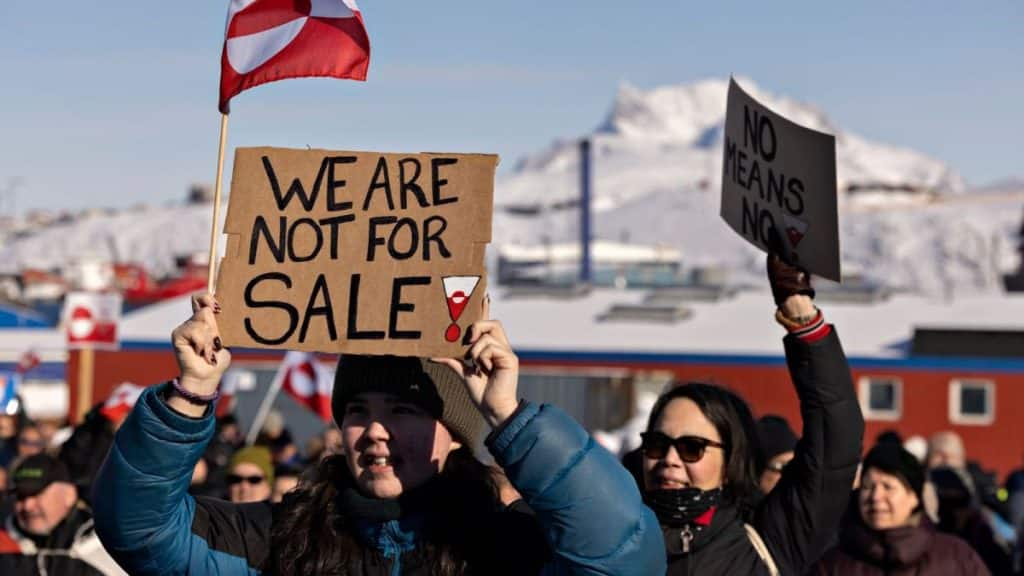
But even if Greenland could be sold, many Greenlanders question whether they would want to become part of the US. The island’s prime minister has said that Greenland is “not for sale and never will be for sale.”
Phillip Lipscy, professor of political science at the University of Toronto, even noted in an ABC News that such a purchase would take a long time and would likely stretch long beyond Trump’s term.
For Trump, who has often praised himself for being a dealmaker, he could strike a deal with Greenland to control it. Washington already has deals like that, called Compacts of Free Association, with Micronesia, the Marshall Islands, and Palau in the western Pacific islands. Such agreements allow for the smaller nations to retain their formal independence while giving the Amreican military a free run on their territory in lieu of duty-free trade.
Interestingly, the Trump administration previously considered the idea of signing a COFA with Greenland during his first term. However, for such a move, Greenland would have to achieve independence from Denmark, which in turn can only happen with the Danish parliament’s consent.
Trump’s renewed interest in Greenland have resulted in allies rallying around Denmark and the Arctic territory. The leaders of Britain, France, Germany, Italy, Poland and Spain joined Denmark in a statement on Tuesday saying they would defend the “universal principles” of “sovereignty, territorial integrity and the inviolability of borders”.
French President Emmanuel Macron and British Prime Minister Keir Starmer both sought to play down the row. “I cannot imagine a scenario in which the United States of America would be placed in a position to violate Danish sovereignty,” Macron said.
Additionally, Greenland said it has asked for a meeting with Rubio following the Trump administration’s recent statements.
With inputs from agencies
While on Sunday (January 4), Trump said that he needed Greenland “very badly”, on Tuesday (January 6), the White House said that the US president is discussing options including military action to take control of Greenland.
The American leader has been vocal on his ambitions for Greenland since 2019. However, the success in Venezuela has vitalised his need for the mineral-rich, self-governing Danish territory with Trump’s top aide, Stephen Miller, noting that the administration is determined to acquire Greenland one way or another.
Why is Trump obsessed with Greenland?
Before we take a look at what Trump could do to achieve his Greenland ambitions, let’s understand why the American leader is so fixated on this Arctic territory.
Greenland is a semi-autonomous territory of Denmark, and has been so for years. Straddling the Arctic circle between the US, Russia and Europe, the island with a population of just 57,000 offers a unique geopolitical advantage that America has eyed for more than 150 years. In addition to its location, Greenland also holds rich deposits of various natural resources.
It is home to valuable rare earth minerals that are vital for telecommunications, as well as uranium, billions of untapped barrels of oil and a vast supply of natural gas that used to be inaccessible but is becoming less so. Many of the same minerals are currently mostly supplied by China, so other countries such as the US are interested in tapping into available resources closer to home.
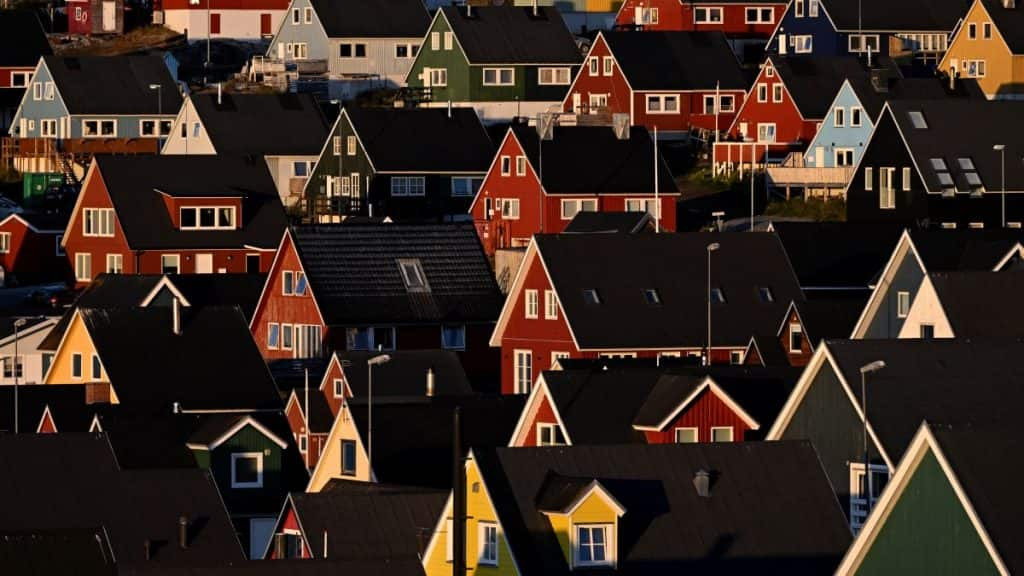
Traditional Greenlandic houses illuminated by a beam of sunlight during sunset in Nuuk, Greenland. AFP
Incidentally, Trump’s interest in Greenland isn’t new; it’s been on his mind and on his agenda for a long time. In 2019, during his first term, he confirmed reports that he had been urging aides to find out how the US could buy the vast Arctic island, describing a sale as “essentially a large real estate deal”.
Then in January 2024, he said he needed control of Greenland for “economic security”. But as recently as Sunday (January 4), he has said he needs Greenland “from the standpoint of national security” – despite the risk this would pose to the future of Nato.
His White House press secretary, Karoline Leavitt, said that “acquiring Greenland is a national security priority” for Trump to deter US adversaries like Russia and China.
Even Stephen Miller, the White House deputy chief of staff, said on Monday that Greenland should be part of the United States. “The president has been clear for months now that the United States should be the nation that has Greenland as part of our overall security apparatus,” Miller said during an interview with CNN on Monday.
Who controls Greenland currently?
As of now, Greenland is a semi-autonomous territory of Denmark. For centuries, Denmark governed Greenland with strict oversight, regulating commerce and allowing only limited contact with the outside world.
In 1979, Greenland achieved home rule. But Denmark still controls Greenland’s foreign and security policy. It has its own parliament, Inatsisartut, and two MPs in the Danish parliament, Folketing. But calls for independence have been growing. Last year, intense anger erupted over investigations into the forced contraceptive (IUD) scandal of the 1960s and 70s, prompting the former Greenlandic prime minister to accuse Denmark of genocide.
Invasion, a buy out or… What are Trump’s options on Greenland?
On Tuesday, the White House noted that Trump is “discussing a range of options” to acquire Greenland. Leavitt told reporters, “The president and his team are discussing a range of options to pursue this important foreign policy goal, and of course, utilising the US military is always an option at the Commander in Chief’s disposal.”
This doesn’t come as a total shocker, though. Trump has repeatedly refused to rule out using the military to acquire the territory. Last March, he said he would “never take military force off the table” adding that there was a “possibility that we could do it without”.
However, a military intervention in Greenland isn’t as simple as it sounds. Firstly, it would rip apart the agreement that underpins Nato, of which Denmark and the United States are both founding members. Such a move would most definitely damage Washington’s reputation across the world. Also, experts note that such a move may risk escalation as Russia and China would then take steps of its own to protect their perceived interests in the Arctic, leading to a polar arms race and ultimately undermining America’s own security.
However, a military option isn’t the only one on the table. Earlier on Monday (January 5), US Secretary of State Marco Rubio told lawmakers that President Trump plans to buy Greenland rather than invade it. The US official, however, didn’t clarify what he meant by buying Greenland.
This wouldn’t be completely new. In 1867, the US purchased Alaska from Russia for $7.2 million. Also, decades ago, the US offered to buy Greenland from Denmark, a long-secret plan that was revealed in the 1990s.
But even if Greenland could be sold, many Greenlanders question whether they would want to become part of the US. The island’s prime minister has said that Greenland is “not for sale and never will be for sale.”
Phillip Lipscy, professor of political science at the University of Toronto, even noted in an ABC News that such a purchase would take a long time and would likely stretch long beyond Trump’s term.
Protesters in the capital of Greenland raise slogans against an acquisition of their land. File image/AP
For Trump, who has often praised himself for being a dealmaker, he could strike a deal with Greenland to control it. Washington already has deals like that, called Compacts of Free Association, with Micronesia, the Marshall Islands, and Palau in the western Pacific islands. Such agreements allow for the smaller nations to retain their formal independence while giving the Amreican military a free run on their territory in lieu of duty-free trade.
Interestingly, the Trump administration previously considered the idea of signing a COFA with Greenland during his first term. However, for such a move, Greenland would have to achieve independence from Denmark, which in turn can only happen with the Danish parliament’s consent.
How is Europe reacting to the situation?
Trump’s renewed interest in Greenland have resulted in allies rallying around Denmark and the Arctic territory. The leaders of Britain, France, Germany, Italy, Poland and Spain joined Denmark in a statement on Tuesday saying they would defend the “universal principles” of “sovereignty, territorial integrity and the inviolability of borders”.
French President Emmanuel Macron and British Prime Minister Keir Starmer both sought to play down the row. “I cannot imagine a scenario in which the United States of America would be placed in a position to violate Danish sovereignty,” Macron said.
Additionally, Greenland said it has asked for a meeting with Rubio following the Trump administration’s recent statements.
With inputs from agencies