




What is the story about?
The US central bank leadership is bracing for a key shift, as President Donald Trump is set to name his pick for the next chair of the Federal Reserve today (January 30).
Trump confirmed the timing of the announcement late Thursday night. Speaking briefly to reporters, he said, “I’ll be announcing the Fed chair tomorrow morning.”
The term of sitting Fed Reserve Chairman Jerome Powell ends in May. Trump has been increasingly critical of Powell for not lowering interest rates aggressively.
However, despite Trump's aggression, central bankers have praised Powell's service and commitment to the public interest. Now, the incoming chief will need to establish credibility under intense political scrutiny, while carefully balancing the fight against inflation with the need to bolster a weakened jobs market.
Fed official Kevin Warsh, Fed governor Christopher Waller, Rick Rieder of BlackRock and Trump's chief economic adviser Kevin Hassett are the frontrunners for the job. Here are the biggest tests and challenges awaiting Trump's nominee.
Trump has drastically escalated his targeting of the US central bank, trying to reshape its leadership by moving to fire a Fed governor while repeatedly calling for interest rates to be slashed.
His Justice Department also launched an investigation into Powell over renovations at the Fed's headquarters , in a move that Powell warned could threaten Fed independence.
Analysts expect Trump's pick will be more likely to push for lower rates.
But this also means it will be tougher for the new leader to establish credibility and convince investors of the bank's independence, said Michael Strain of the conservative American Enterprise Institute.
"A new Fed Chair may want to hold off on rate cuts for at least one meeting to reassure financial markets," KPMG chief economist Diane Swonk wrote in a recent note.
Trump's nominee to head the Fed must also undergo Senate confirmation, and will likely face tough questioning from lawmakers even though the president's Republican party holds a Senate majority.
Already, Republican Thom Tillis, who sits on the Senate Banking Committee, vowed to oppose the confirmation of any Fed nominee, including the next chairman, until the probe against Powell is resolved.
Other Republican lawmakers, like Alaska Senator Lisa Murkowski, have spoken out against the investigation, too.
The top Democrat on the banking committee, Senator Elizabeth Warren, has meanwhile accused Trump of wanting to push Powell off the Fed Board altogether and "install another sock puppet" to complete his takeover of the central bank.
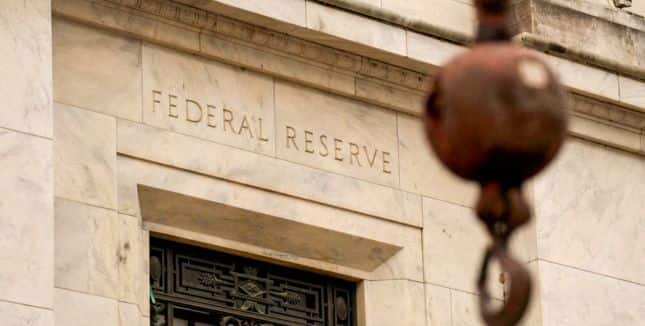
For now, a wildcard is whether Powell remains as Fed governor after his four-year term as chairman ends, preventing Trump from influencing the board's composition further.
Most chairmen leave when their terms expire, but they do not have to, and Powell could remain a governor until 2028.
Within the bank, the Fed chair is seen to have an outsized influence on forging consensus among the rate-setting Federal Open Market Committee (FOMC) as well.
The FOMC's 12 voting members take a majority vote to decide on interest rate adjustments, and observers will be watching whether the next chief can unite officials to back further rate cuts.
The Fed has seen deepening divisions recently as some policymakers seek lower rates to boost the economy and shore up a labour market they view as fragile.
But others have pushed back on rate cuts amid inflation worries, as Trump's tariffs flow through supply chains and raise the costs of certain goods.
The new Fed chair will also have to contend with a president who has relentlessly criticised their predecessor and made no secret of his preference for much lower interest rates.
Trump has already said that he would judge his choice on whether they immediately cut rates.
At a speech to the World Economic Forum at Davos, Switzerland, Trump said of the contenders for the chairmanship: "They're saying everything I want to hear."
"They get the job, and all of a sudden, 'Let's raise rates a little bit,'" he added. "It's amazing how people change once they have the job."
"It's too bad, sort of disloyalty," Trump said.
With inputs from agencies
Trump confirmed the timing of the announcement late Thursday night. Speaking briefly to reporters, he said, “I’ll be announcing the Fed chair tomorrow morning.”
The term of sitting Fed Reserve Chairman Jerome Powell ends in May. Trump has been increasingly critical of Powell for not lowering interest rates aggressively.
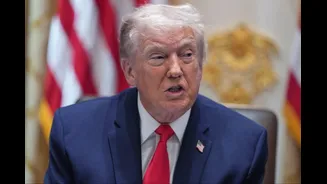
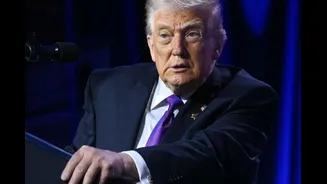
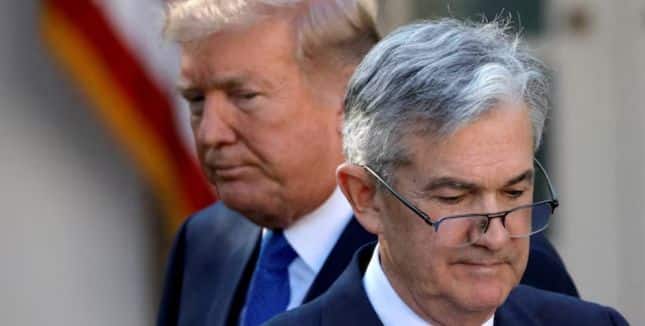
United States President Donald Trump is set to announce the next US Federal Reserve chair as Jerome Powell’s term nears its end. File Image: Reuters
However, despite Trump's aggression, central bankers have praised Powell's service and commitment to the public interest. Now, the incoming chief will need to establish credibility under intense political scrutiny, while carefully balancing the fight against inflation with the need to bolster a weakened jobs market.
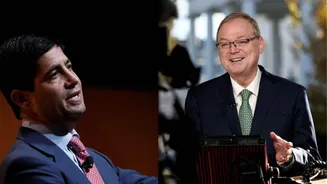
Fed official Kevin Warsh, Fed governor Christopher Waller, Rick Rieder of BlackRock and Trump's chief economic adviser Kevin Hassett are the frontrunners for the job. Here are the biggest tests and challenges awaiting Trump's nominee.
Credibility
Trump has drastically escalated his targeting of the US central bank, trying to reshape its leadership by moving to fire a Fed governor while repeatedly calling for interest rates to be slashed.
His Justice Department also launched an investigation into Powell over renovations at the Fed's headquarters , in a move that Powell warned could threaten Fed independence.
Donald Trump has been increasingly critical of Powell for not lowering interest rates aggressively. File Image: Reuters
Analysts expect Trump's pick will be more likely to push for lower rates.
But this also means it will be tougher for the new leader to establish credibility and convince investors of the bank's independence, said Michael Strain of the conservative American Enterprise Institute.
"A new Fed Chair may want to hold off on rate cuts for at least one meeting to reassure financial markets," KPMG chief economist Diane Swonk wrote in a recent note.
Senate confirmation
Trump's nominee to head the Fed must also undergo Senate confirmation, and will likely face tough questioning from lawmakers even though the president's Republican party holds a Senate majority.
Already, Republican Thom Tillis, who sits on the Senate Banking Committee, vowed to oppose the confirmation of any Fed nominee, including the next chairman, until the probe against Powell is resolved.
Other Republican lawmakers, like Alaska Senator Lisa Murkowski, have spoken out against the investigation, too.
The top Democrat on the banking committee, Senator Elizabeth Warren, has meanwhile accused Trump of wanting to push Powell off the Fed Board altogether and "install another sock puppet" to complete his takeover of the central bank.
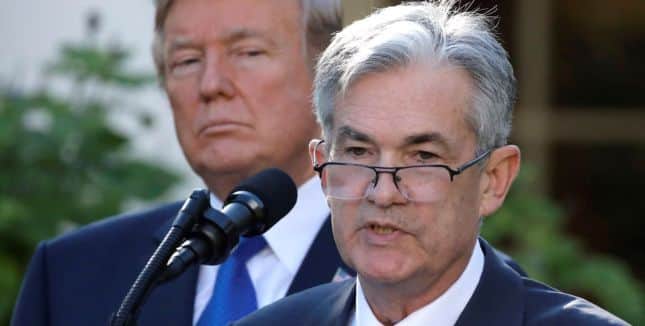
Analysts expect Trump's pick will be more likely to push for lower rates. File Image: Reuters
For now, a wildcard is whether Powell remains as Fed governor after his four-year term as chairman ends, preventing Trump from influencing the board's composition further.
Most chairmen leave when their terms expire, but they do not have to, and Powell could remain a governor until 2028.
Forging consensus
Within the bank, the Fed chair is seen to have an outsized influence on forging consensus among the rate-setting Federal Open Market Committee (FOMC) as well.
The FOMC's 12 voting members take a majority vote to decide on interest rate adjustments, and observers will be watching whether the next chief can unite officials to back further rate cuts.
The Fed has seen deepening divisions recently as some policymakers seek lower rates to boost the economy and shore up a labour market they view as fragile.
But others have pushed back on rate cuts amid inflation worries, as Trump's tariffs flow through supply chains and raise the costs of certain goods.
Political pressure
The new Fed chair will also have to contend with a president who has relentlessly criticised their predecessor and made no secret of his preference for much lower interest rates.
Trump has already said that he would judge his choice on whether they immediately cut rates.
At a speech to the World Economic Forum at Davos, Switzerland, Trump said of the contenders for the chairmanship: "They're saying everything I want to hear."
"They get the job, and all of a sudden, 'Let's raise rates a little bit,'" he added. "It's amazing how people change once they have the job."
"It's too bad, sort of disloyalty," Trump said.
With inputs from agencies