




What is the story about?
What began as a dispute over OpenAI’s origins has quickly turned into a dramatic courtroom saga packed with sharp exchanges, uncomfortable revelations and broader questions about the future of AI.
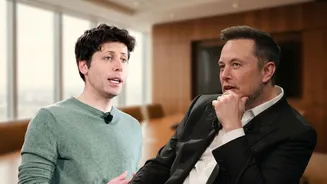
As Elon Musk takes on the company he once helped fund, the trial is offering a rare glimpse into private conversations and industry tensions. Here are five moments that have stood out so far.
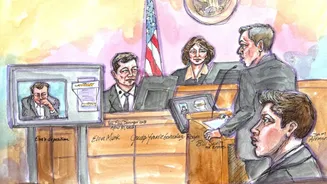
The latest round of hearings saw OpenAI President Greg Brockman take the stand, following earlier testimony from AI expert Stuart Russell. The focus quickly shifted to Brockman’s past public commitment to donate $100,000 to OpenAI’s nonprofit arm, a pledge he admitted he never fulfilled.
Musk’s legal team used the moment to press a broader point about accountability and financial ethics. At one stage, the questioning took a sharp turn, with a lawyer suggesting Brockman should return billions to the organisation’s charitable side. Brockman appeared caught off guard, struggling to respond as the line of questioning probed whether it was appropriate to retain wealth linked to what was once framed as a nonprofit mission.
Before Brockman’s appearance, Stuart Russell, a prominent AI researcher from the University of California, testified on Musk’s behalf. His arguments centred on the potential dangers of advanced AI systems, from cybersecurity vulnerabilities to the risks posed by poorly aligned artificial general intelligence.
Russell emphasised that the race to develop AGI creates inherent tension between rapid progress and safety. However, much of his broader warning about existential risks did not make it into open court after objections from OpenAI’s lawyers led the judge to limit his testimony.
During cross-examination, OpenAI’s legal team highlighted that Russell had not directly assessed the company’s internal structure or specific safety practices, attempting to narrow the scope of his critique.
Just days before the trial began, Musk reportedly reached out to Brockman with a suggestion to settle the dispute. According to a court filing submitted by OpenAI’s lawyers, the exchange quickly escalated after Brockman proposed that both sides drop their lawsuits.
Musk’s alleged response was stark, warning that Brockman and Sam Altman could face public backlash if the case continued. While the filing described the exchange in detail, it did not include the actual messages.
In a key development, the judge ruled the exchange inadmissible, meaning it cannot be presented as evidence. Still, its disclosure has fuelled speculation about Musk’s motivations, with OpenAI arguing that the lawsuit is less about principles and more about competition and financial stakes.
Another notable moment came when Musk was questioned about whether his AI venture, xAI, had used techniques known as “distillation” to learn from OpenAI’s models.
Distillation, which involves using one AI system to train another, is a sensitive topic in the industry and often restricted by usage policies. Musk responded by suggesting that such practices are common across AI companies, before conceding that his
own firm had done so “partly”.
The admission stood out, as distillation has become a growing concern among leading AI labs. Companies including OpenAI, Anthropic and Google have been working together to detect and prevent such methods, which can erode competitive advantages built through heavy investment.
On the opening day, Musk set the tone by revisiting his early involvement with OpenAI. He argued that he had been misled about the organisation’s direction, claiming he contributed funding under the belief it would remain a nonprofit focused on public benefit.
Reflecting on his $38 million contribution, Musk described himself as having been naive, suggesting the company’s shift towards a for-profit model contradicted its original purpose. He also explained that he stepped away from OpenAI’s board in 2018 due to time constraints, as he was juggling responsibilities at Tesla and SpaceX.
Musk acknowledged launching his own AI company, xAI, but maintained that his concerns about OpenAI’s structure remain valid. He also revealed that he declined an offer of equity after Microsoft’s involvement, describing it as inappropriate.
Taken together, these moments show that the trial is not just about legal arguments. It is also a clash of visions, personalities and competing narratives about how AI should be built, governed and ultimately controlled.
As Elon Musk takes on the company he once helped fund, the trial is offering a rare glimpse into private conversations and industry tensions. Here are five moments that have stood out so far.
- Greg Brockman faces tough questions in court
The latest round of hearings saw OpenAI President Greg Brockman take the stand, following earlier testimony from AI expert Stuart Russell. The focus quickly shifted to Brockman’s past public commitment to donate $100,000 to OpenAI’s nonprofit arm, a pledge he admitted he never fulfilled.
Musk’s legal team used the moment to press a broader point about accountability and financial ethics. At one stage, the questioning took a sharp turn, with a lawyer suggesting Brockman should return billions to the organisation’s charitable side. Brockman appeared caught off guard, struggling to respond as the line of questioning probed whether it was appropriate to retain wealth linked to what was once framed as a nonprofit mission.
- Stuart Russell raises alarm on AI risks
Before Brockman’s appearance, Stuart Russell, a prominent AI researcher from the University of California, testified on Musk’s behalf. His arguments centred on the potential dangers of advanced AI systems, from cybersecurity vulnerabilities to the risks posed by poorly aligned artificial general intelligence.
Russell emphasised that the race to develop AGI creates inherent tension between rapid progress and safety. However, much of his broader warning about existential risks did not make it into open court after objections from OpenAI’s lawyers led the judge to limit his testimony.
During cross-examination, OpenAI’s legal team highlighted that Russell had not directly assessed the company’s internal structure or specific safety practices, attempting to narrow the scope of his critique.
- Alleged text exchange adds drama, but stays out of court
Just days before the trial began, Musk reportedly reached out to Brockman with a suggestion to settle the dispute. According to a court filing submitted by OpenAI’s lawyers, the exchange quickly escalated after Brockman proposed that both sides drop their lawsuits.
Musk’s alleged response was stark, warning that Brockman and Sam Altman could face public backlash if the case continued. While the filing described the exchange in detail, it did not include the actual messages.
In a key development, the judge ruled the exchange inadmissible, meaning it cannot be presented as evidence. Still, its disclosure has fuelled speculation about Musk’s motivations, with OpenAI arguing that the lawsuit is less about principles and more about competition and financial stakes.
- Musk’s comments on AI ‘distillation’ draw attention
Another notable moment came when Musk was questioned about whether his AI venture, xAI, had used techniques known as “distillation” to learn from OpenAI’s models.
Distillation, which involves using one AI system to train another, is a sensitive topic in the industry and often restricted by usage policies. Musk responded by suggesting that such practices are common across AI companies, before conceding that his
The admission stood out, as distillation has become a growing concern among leading AI labs. Companies including OpenAI, Anthropic and Google have been working together to detect and prevent such methods, which can erode competitive advantages built through heavy investment.
- Musk revisits OpenAI’s origins and his own role
On the opening day, Musk set the tone by revisiting his early involvement with OpenAI. He argued that he had been misled about the organisation’s direction, claiming he contributed funding under the belief it would remain a nonprofit focused on public benefit.
Reflecting on his $38 million contribution, Musk described himself as having been naive, suggesting the company’s shift towards a for-profit model contradicted its original purpose. He also explained that he stepped away from OpenAI’s board in 2018 due to time constraints, as he was juggling responsibilities at Tesla and SpaceX.
Musk acknowledged launching his own AI company, xAI, but maintained that his concerns about OpenAI’s structure remain valid. He also revealed that he declined an offer of equity after Microsoft’s involvement, describing it as inappropriate.
Taken together, these moments show that the trial is not just about legal arguments. It is also a clash of visions, personalities and competing narratives about how AI should be built, governed and ultimately controlled.