





What is the story about?
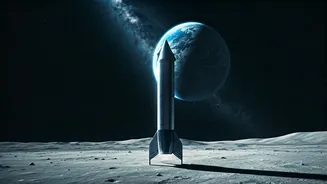
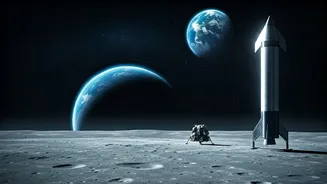
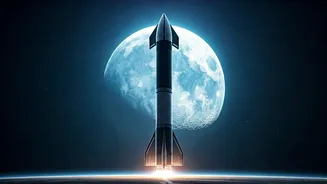
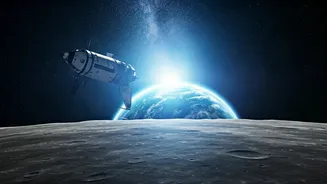
Elon Musk said on Sunday that SpaceX has shifted its focus to building a "self‑growing city" on the moon, which he said could be achieved in less than 10 years.
"That said, SpaceX will also strive to build a Mars city and begin doing so in about 5 to 7 years, but the overriding priority is securing the future of civilization and the Moon is faster," Musk added in an X post.
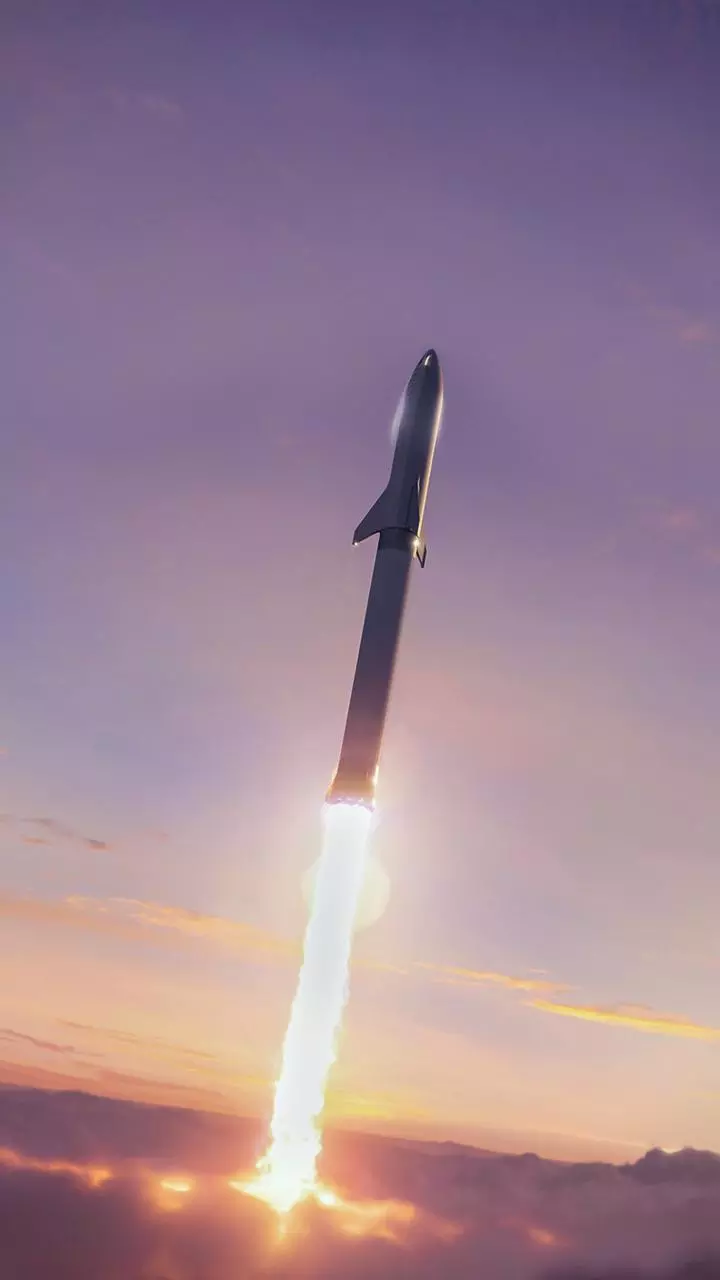
Musk's comments echo a Wall Street Journal report on Friday, stating that SpaceX has told investors it would prioritise going to the moon first and attempt a trip to Mars at a later time, targeting March 2027 for an uncrewed lunar landing.
He said last year that he aimed to send an uncrewed mission to Mars by the end of 2026.
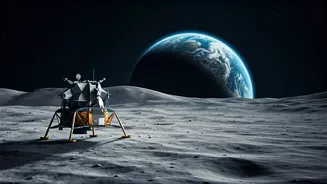
The US faces intense competition this decade from China in its effort to return astronauts to the moon, where no humans have gone since the final US Apollo mission in 1972.
Musk's comments come after SpaceX agreed to acquire xAI in a deal that values the rocket and satellite company at $1 trillion and the artificial intelligence outfit at $250 billion.
"That said, SpaceX will also strive to build a Mars city and begin doing so in about 5 to 7 years, but the overriding priority is securing the future of civilization and the Moon is faster," Musk added in an X post.
For those unaware, SpaceX has already shifted focus to building a self-growing city on the Moon, as we can potentially achieve that in less than 10 years, whereas Mars would take 20+ years.
The mission of SpaceX remains the same: extend consciousness and life as we know it to…
— Elon Musk (@elonmusk) February 8, 2026
Musk's comments echo a Wall Street Journal report on Friday, stating that SpaceX has told investors it would prioritise going to the moon first and attempt a trip to Mars at a later time, targeting March 2027 for an uncrewed lunar landing.
He said last year that he aimed to send an uncrewed mission to Mars by the end of 2026.
The US faces intense competition this decade from China in its effort to return astronauts to the moon, where no humans have gone since the final US Apollo mission in 1972.
Musk's comments come after SpaceX agreed to acquire xAI in a deal that values the rocket and satellite company at $1 trillion and the artificial intelligence outfit at $250 billion.