



What is the story about?
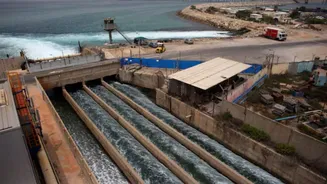
After oil and gas facilities, another equally important lifeline of the Gulf region has come under attack: desalination plants and water supply infrastructure.
As both the United States and Iran have indicated they would strike these plants in any new escalation, Arab countries are facing fresh costs in the conflict they did not start. They overwhelmingly depend on these plants for drinking water.
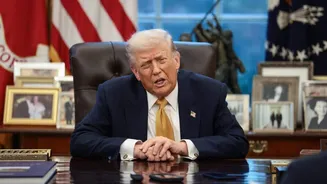
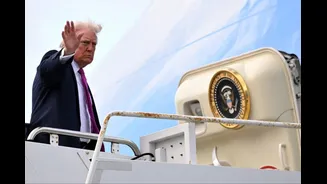
US President Donald Trump on Monday said he would obliterate Iran's desalination infrastructure —pipeline networks, storage reservoirs, and filtration units— if Iranian leaders would not accept his terms.
The United States would "conclude our lovely ‘stay’ in Iran by blowing up and completely obliterating all of their electric generating plants, oil wells, and Kharg Island (and possibly all desalinization plants!), which we have purposefully not yet 'touched'", Trump said on Truth Social.
Follow our live coverage of the US-Israeli war on Iran here
But it could be Iranian retaliation on desalination plants that could be more damaging as Arab countries depend much more on these plants than Iran.
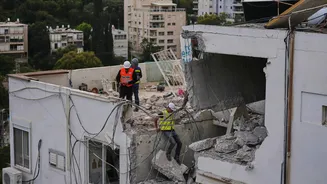
Kuwait on Monday said that an Iranian attack targeted a desalination plant in the country and killed a worker — the worker was an Indian national.
With Trump's warning, long-running fears of water's overt weaponisation have surfaced. For a region that depends on desalination plants for most of its drinking water requirements, disruption —let alone destruction— of the plants' functioning could create problems.
Desalination plants provide drinking water to 90 per cent of Kuwait, 86 per cent of Oman, and 70 per cent of Saudi Arabia, according to Associated Press.
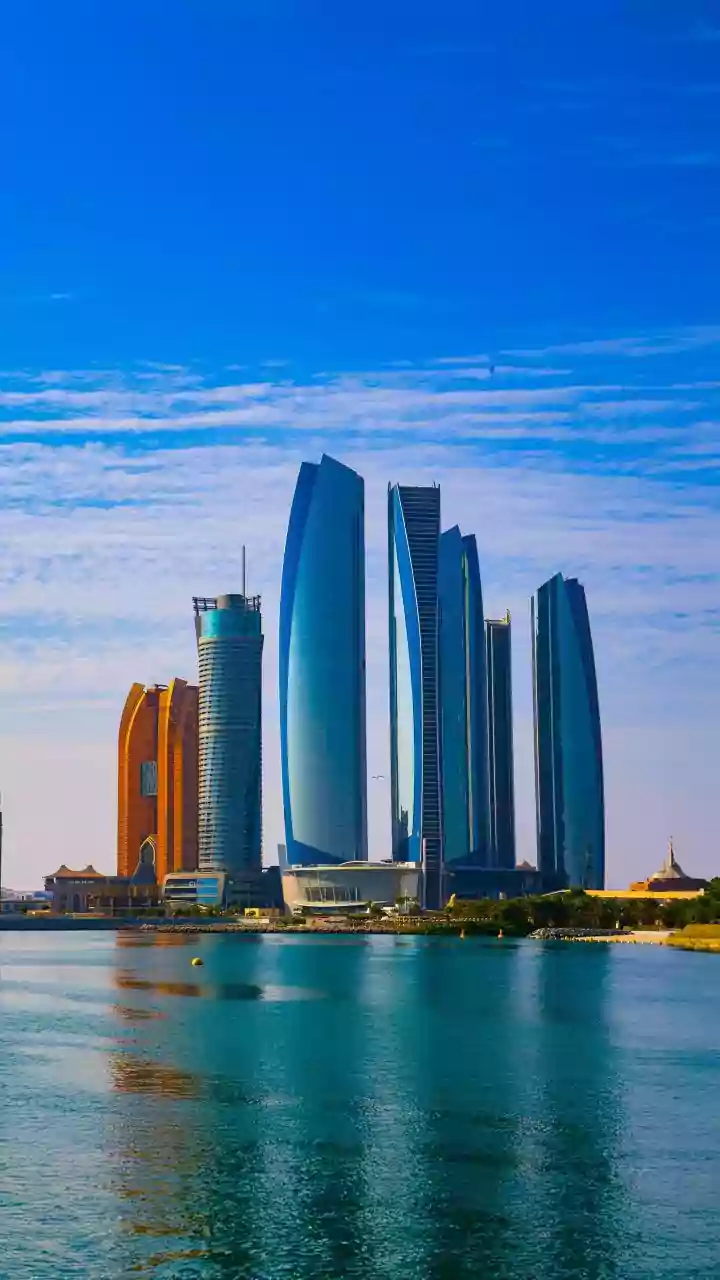
The report said that some of the biggest cities in the region, such as Dubai, Abu Dhabi, or Doha, depend almost entirely on desalination plants.
The dependence on desalination plants among Arabs is much higher than Iranians, who still have rivers and lakes to pull water from even if they too depend on desalination plants to a great extent. While Saudi Arabia and UAE have redundancies, smaller states like Bahrain, Qatar, and Kuwait do not.
Beside Kuwait, there have been reports of desalination plants suffering indirect damage in the UAE and Bahrain from missiles and drones.
ALSO READ — Hormuz choke: Iran doesn’t need to win the war, it just needs to make it too expensive to finish
The vulnerability has been flagged for decades. The AP reported that the Central Intelligence Agency in 2010 warned that strikes on desalination plants could spark national‑level crises in several Gulf countries and disruptions could last for months if key machinery were damaged.
More than 90 per cent of the region’s desalinated water is produced by only 56 facilities, and that “each of these critical plants is highly vulnerable to sabotage or military attack”, according to the CIA report.
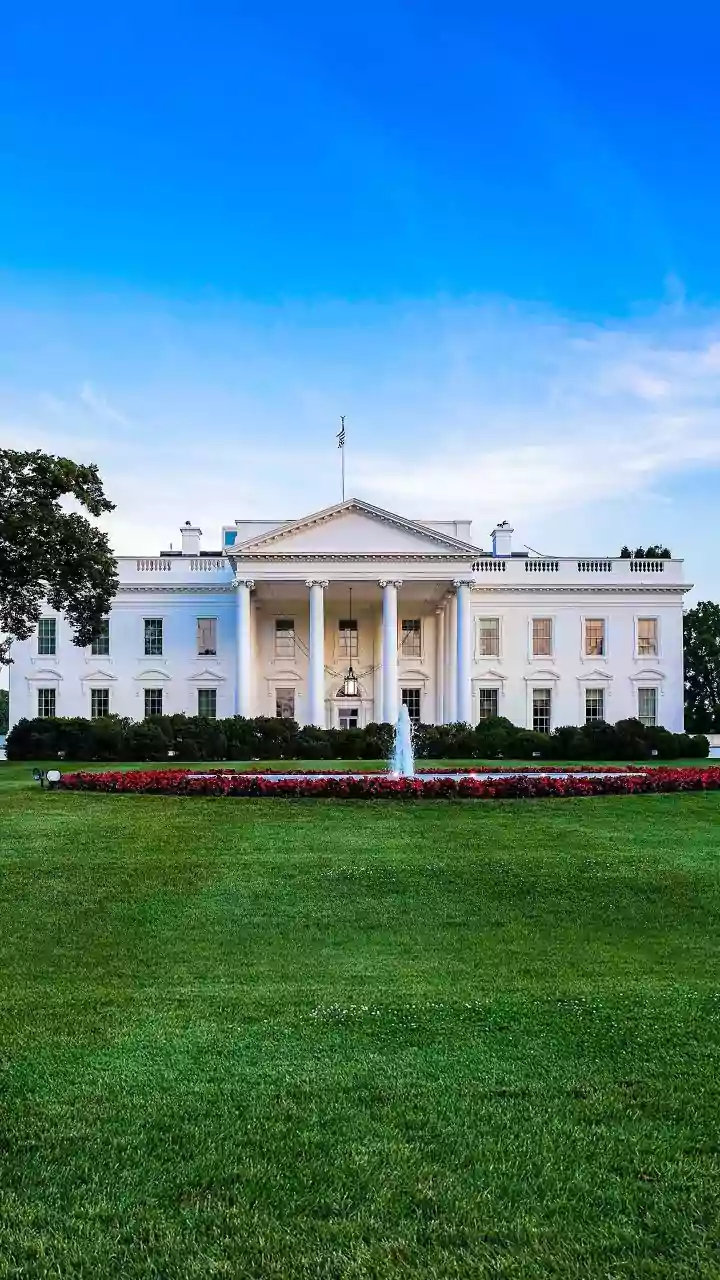
To add to the injury, the White House has floated the idea that Gulf countries should pay for the war that Trump launched.
When asked whether Gulf states should pay for Trump's war, White House Press Secretary Karoline Leavitt said: "I think it’s something the president would be quite interested in calling them to do. I won’t get ahead of him on that, but certainly it’s an idea that I know that he has, and something that I think you’ll hear more from him on.”
As both the United States and Iran have indicated they would strike these plants in any new escalation, Arab countries are facing fresh costs in the conflict they did not start. They overwhelmingly depend on these plants for drinking water.
US President Donald Trump on Monday said he would obliterate Iran's desalination infrastructure —pipeline networks, storage reservoirs, and filtration units— if Iranian leaders would not accept his terms.
The United States would "conclude our lovely ‘stay’ in Iran by blowing up and completely obliterating all of their electric generating plants, oil wells, and Kharg Island (and possibly all desalinization plants!), which we have purposefully not yet 'touched'", Trump said on Truth Social.
Follow our live coverage of the US-Israeli war on Iran here
But it could be Iranian retaliation on desalination plants that could be more damaging as Arab countries depend much more on these plants than Iran.
Kuwait on Monday said that an Iranian attack targeted a desalination plant in the country and killed a worker — the worker was an Indian national.
Trump brings water wars to Gulf allies
With Trump's warning, long-running fears of water's overt weaponisation have surfaced. For a region that depends on desalination plants for most of its drinking water requirements, disruption —let alone destruction— of the plants' functioning could create problems.
Desalination plants provide drinking water to 90 per cent of Kuwait, 86 per cent of Oman, and 70 per cent of Saudi Arabia, according to Associated Press.
The report said that some of the biggest cities in the region, such as Dubai, Abu Dhabi, or Doha, depend almost entirely on desalination plants.
The dependence on desalination plants among Arabs is much higher than Iranians, who still have rivers and lakes to pull water from even if they too depend on desalination plants to a great extent. While Saudi Arabia and UAE have redundancies, smaller states like Bahrain, Qatar, and Kuwait do not.
Beside Kuwait, there have been reports of desalination plants suffering indirect damage in the UAE and Bahrain from missiles and drones.
ALSO READ — Hormuz choke: Iran doesn’t need to win the war, it just needs to make it too expensive to finish
The vulnerability has been flagged for decades. The AP reported that the Central Intelligence Agency in 2010 warned that strikes on desalination plants could spark national‑level crises in several Gulf countries and disruptions could last for months if key machinery were damaged.
More than 90 per cent of the region’s desalinated water is produced by only 56 facilities, and that “each of these critical plants is highly vulnerable to sabotage or military attack”, according to the CIA report.
To add to the injury, the White House has floated the idea that Gulf countries should pay for the war that Trump launched.
When asked whether Gulf states should pay for Trump's war, White House Press Secretary Karoline Leavitt said: "I think it’s something the president would be quite interested in calling them to do. I won’t get ahead of him on that, but certainly it’s an idea that I know that he has, and something that I think you’ll hear more from him on.”