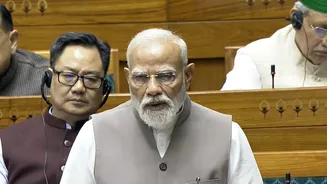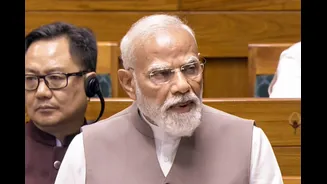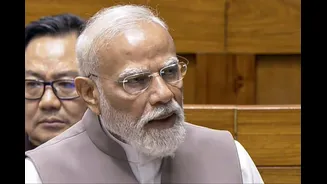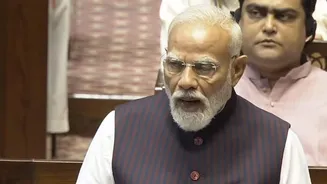






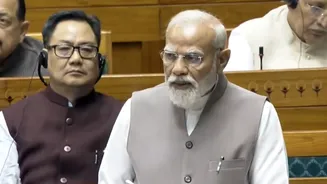
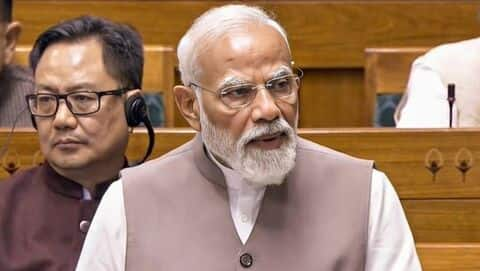
PM Narendra Modi on Tuesday, addressing the Rajya Sabha, called on citizens to brace for challenges arising from the ongoing US-Iran conflict in West Asia, warning that disruptions to energy supply chains and rising inflation could have lasting effects.
He said the government is actively working to manage the situation and safeguard public interest. “I urge citizens to be prepared for every challenge. The impact of this war may be long-lasting, but I assure the people that the government is alert and the nation’s interest remains paramount,” PM Modi said.
Call for unity and vigilance
Modi also urged states to work together, much like during the Covid period, to tackle emerging challenges.
“The challenges ahead will test us. I urge all states to act proactively, as in difficult times it is labourers and the weaker sections who are affected the most. Steps must be taken to safeguard our migrant workers. State governments should also remain vigilant against black marketing, which tends to rise in such periods, and ensure that such practices do not take place," he said.
#FPLIVE: India's PM Modi Addresses Rajya Sabha on West Asia Crisis https://t.co/pY7uknRa4C
— Firstpost (@firstpost) March 24, 2026
Energy concerns and economic impact
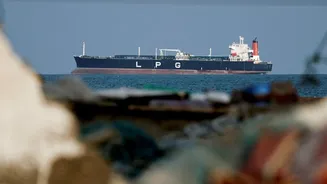
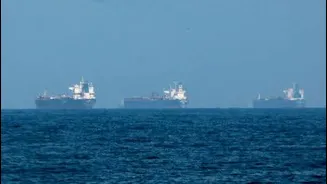
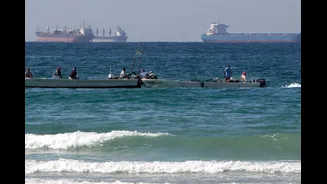
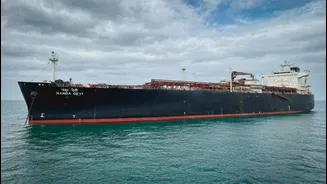
A day earlier in the Lok Sabha, Modi described the West Asia conflict as “worrisome,” highlighting India’s heavy dependence on the region for energy. He warned that any disruption in the Strait of Hormuz could impact fuel supplies, inflation and trade.
He assured that petrol, diesel and LPG supplies are being managed through diversified sourcing, while stressing the need for preparedness, unity and diplomacy. Modi reiterated that dialogue remains the only solution, even as the war’s impact could be prolonged.
Defence preparedness under review
Amid rising tensions, Rajnath Singh chaired a high-level meeting to review India’s defence preparedness. Senior military officials briefed him on the evolving situation and the country’s readiness across land, air and maritime domains.
Calling the situation “highly volatile and unpredictable,” Singh stressed the need for constant vigilance and preparedness as geopolitical risks continue to rise.
All-party meet to build consensus
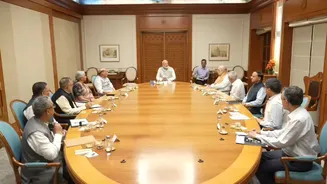
In a parallel move, the government has convened an all-party meeting on March 25 to discuss the West Asia crisis and its implications for India, including energy security and trade disruptions.
With the conflict entering its fourth week and impacting global markets, the meeting aims to build political consensus as India navigates economic, security and humanitarian challenges. Modi had earlier warned that the crisis could have a “severe impact on the global economy and the lives of the people.”