





What is the story about?
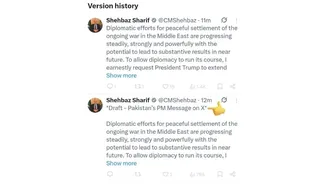
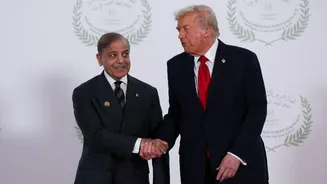
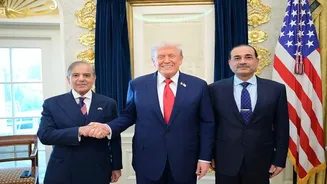
Pakistani media and Karachi Chamber of Commerce and Industry (KCCI) on Wednesday called for the country's Prime Minister Shehbaz Sharif and Field Marshal Asim Munir to be awarded the Nobel Peace Prize for their efforts to initiate a two-week ceasefire between the United States and Iran.
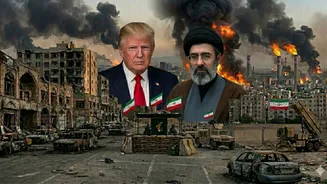
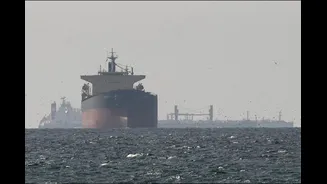
US President Donald Trump announced on Tuesday evening that both sides agreed to a two-week ceasefire, less than two hours before his deadline for Tehran to reopen the Strait of Hormuz or face devastating attacks on its civilian infrastructure, which he had threatened "a whole civilisation will die".
In the announcement, he said that Iran had presented a 10-point proposal that was a “workable basis” for negotiations, and he expected an agreement to be “finalised and consummated” during the two-week window.
In recent days, Pakistani media have been pushing for a Nobel Peace Prize for both leaders. They argued that Islamabad's diplomatic intervention may be worthy of recognition at the highest level, including consideration for the Nobel Peace Prize.
In an opinion piece for The Nation, Lt. Col (Retd) Sayed Ahmad Nadeem Qadri said: "Pakistan’s recent actions align with these principles in several ways: it prevented a potentially devastating war, acted as a trusted intermediary for both sides (the USA and Iran), contributed to global stability by helping stabilise energy routes and international markets, and encouraged diplomacy over military action, resulting in the promotion of dialogue."
"Such contributions reflect the core spirit of the Nobel Peace Prize, rewarding those who actively work to reduce conflict and foster peace. Pakistan’s mediation between the United States and Iran demonstrates the power of diplomacy in resolving even the most complex conflicts." Similar takes were also delivered by other news outlets as well.
According to the KCCI, a ceasefire was made possible due to the efforts of Prime Minister Shehbaz Sharif and Field Marshal Asim Munir, Ary News reported. In a statement, the chamber further urged the Pakistani government to engage with the US to seek a reduction in tariffs and to push for the completion of the Iran–Pakistan Gas Pipeline.
While addressing a gathering in Karachi, business leader Zubair Motiwala said that 80 per cent of investment from Pakistan to West Asia had been transferred abroad through the State Bank of Pakistan.
He added that people are reluctant to deposit money in Roshan Pakistan Accounts due to the conversion into local currency. Motiwala also noted that the circumstances were different when Donald Trump was proposed for the Nobel Prize, adding that the current situation is not the same.
However, on Tuesday, Trump said that he believed China persuaded Iran to negotiate and agree to a fragile two-week ceasefire in a war that has crippled West Asia. The declaration reflected Beijing's silent role in the pursuit of peace between the two nations, while Pakistan struggled to make both sides sit at the negotiation table.
"I hear yes," Trump said when asked if Beijing was involved in getting key ally Tehran to negotiate on a truce. It is pertinent to note that the US President is due to travel to Beijing in mid-May to meet his Chinese counterpart, Xi Jinping, in a crucial summit between the two superpowers.
Meanwhile, Iranian officials later told The New York Times that China used its influence to press Iran to accept the ceasefire with the United States. Tehran's decision to accept the two-week ceasefire proposal brokered by Pakistan came after diplomatic efforts by Pakistan and a last-minute push by China, the unnamed Iranian officials told NYT. China asked Iran to show flexibility and defuse tensions, they said.
US President Donald Trump announced on Tuesday evening that both sides agreed to a two-week ceasefire, less than two hours before his deadline for Tehran to reopen the Strait of Hormuz or face devastating attacks on its civilian infrastructure, which he had threatened "a whole civilisation will die".
In the announcement, he said that Iran had presented a 10-point proposal that was a “workable basis” for negotiations, and he expected an agreement to be “finalised and consummated” during the two-week window.
Pakistan media lauds Sharif and Munir
In recent days, Pakistani media have been pushing for a Nobel Peace Prize for both leaders. They argued that Islamabad's diplomatic intervention may be worthy of recognition at the highest level, including consideration for the Nobel Peace Prize.
In an opinion piece for The Nation, Lt. Col (Retd) Sayed Ahmad Nadeem Qadri said: "Pakistan’s recent actions align with these principles in several ways: it prevented a potentially devastating war, acted as a trusted intermediary for both sides (the USA and Iran), contributed to global stability by helping stabilise energy routes and international markets, and encouraged diplomacy over military action, resulting in the promotion of dialogue."
"Such contributions reflect the core spirit of the Nobel Peace Prize, rewarding those who actively work to reduce conflict and foster peace. Pakistan’s mediation between the United States and Iran demonstrates the power of diplomacy in resolving even the most complex conflicts." Similar takes were also delivered by other news outlets as well.
KCCI demands a Nobel
According to the KCCI, a ceasefire was made possible due to the efforts of Prime Minister Shehbaz Sharif and Field Marshal Asim Munir, Ary News reported. In a statement, the chamber further urged the Pakistani government to engage with the US to seek a reduction in tariffs and to push for the completion of the Iran–Pakistan Gas Pipeline.
While addressing a gathering in Karachi, business leader Zubair Motiwala said that 80 per cent of investment from Pakistan to West Asia had been transferred abroad through the State Bank of Pakistan.
He added that people are reluctant to deposit money in Roshan Pakistan Accounts due to the conversion into local currency. Motiwala also noted that the circumstances were different when Donald Trump was proposed for the Nobel Prize, adding that the current situation is not the same.
Was it Pakistan or China?
However, on Tuesday, Trump said that he believed China persuaded Iran to negotiate and agree to a fragile two-week ceasefire in a war that has crippled West Asia. The declaration reflected Beijing's silent role in the pursuit of peace between the two nations, while Pakistan struggled to make both sides sit at the negotiation table.
"I hear yes," Trump said when asked if Beijing was involved in getting key ally Tehran to negotiate on a truce. It is pertinent to note that the US President is due to travel to Beijing in mid-May to meet his Chinese counterpart, Xi Jinping, in a crucial summit between the two superpowers.
Meanwhile, Iranian officials later told The New York Times that China used its influence to press Iran to accept the ceasefire with the United States. Tehran's decision to accept the two-week ceasefire proposal brokered by Pakistan came after diplomatic efforts by Pakistan and a last-minute push by China, the unnamed Iranian officials told NYT. China asked Iran to show flexibility and defuse tensions, they said.