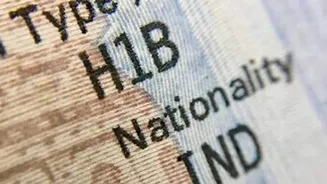

Indian professionals hoping to secure or renew their H-1B work visas are facing a frustrating reality: there simply aren’t any routine US consulate interview dates available in India until 2027.
Offices in major cities like Delhi, Mumbai, Chennai, Hyderabad and Kolkata currently show no regular slots, a situation that has left thousands with uncertain travel and work plans.
What started as rescheduling in late 2025 has snowballed into widespread delays. Appointments originally planned for December were first shifted to March 2026, then to October, and now many have been pushed well into next year, creating what immigration lawyers describe as one of the largest visa bottlenecks in recent times.
Why are interview dates so scarce?
There are a few key reasons behind this backlog:
- New screening requirements: As of December 15, 2025, the US began mandatory social media reviews for employment-based visa applicants. This additional step takes time and has significantly slowed down how many interviews consulates can process each day.
- Policy changes and rule overhaul: In late December, US immigration authorities introduced revised H-1B rules for the fiscal year 2027, changing how candidates are selected and pushing more administrative work onto consular staff.
- End of third-country stamping: Indian nationals can no longer choose to get their visas stamped in a third country, a practice some had used to avoid long waits. All applications now go back to Indian posts, dramatically increasing demand.
These combined factors have created an unprecedented backlog that likely won’t improve soon, according to immigration experts monitoring the situation.
Impact on workers and employers
The ripple effects are palpable. Professionals planning short trips home find their careers stalled; some are missing project deadlines or family milestones as they wait for appointments. US employers — especially those in tech, healthcare and academia — are feeling the strain of absent staff.
Immigration specialists warn this delay could weaken the US’s appeal as a destination for global talent, especially as other countries make it easier for skilled workers to move and work.