





What is the story about?
If all goes as planned, Japan could soon have a second capital. The Japanese parliament has passed a law paving the way for the creation of a second capital in addition to Tokyo. Interestingly, while the bill easily passed the lower house of Japan’s parliament, it narrowly scraped through the upper house.
Now, the passage of the law has led to an intense debate on which city will be Japan’s second capital. Will it be Osaka, Fukuoka or Aichi?
Here’s everything you need to know about this move.
Currently, Tokyo serves as Japan’s capital. It was last Friday that the Japanese government approved a plan to create a “second capital”. The government has pushed for a second capital, citing the need for continuity.
The government believes that by having a second capital, it would be able to ensure governance even if Tokyo was hit by a natural disaster. The Japanese government , according to a
Bloomberg report, estimates that there’s a 70 per cent chance that a magnitude-7 quake will occur in the Tokyo metropolitan area within the next 30 years.
If this were to happen, it could result in a disruption of the workings of the prime minister’s office, parliament and financial institutions in the country. Their argument while proposing the law was that a second capital would take over key political, administrative and economic functions, if and when required.
The government has also argued that there’s an economic reason for having a second capital. A second capital would correct what the law states is “overconcentration” of Tokyo in Japan’s economy and population. At present, the capital city generates around a fifth of the country’s economic output and houses around 30 per cent of the country’s population.
The law put forth by the government calls for investment in the second capital, which would strengthen its economic position.
The law doesn’t specify which city qualifies to be Japan’s second capital — it only establishes a framework under which prefectures can apply. According to the text of the law, to qualify to be a second capital, the region must be less prone to natural disasters. Additionally, it must have sufficient government infrastructure, economic scale, population size and administrative capacity to function as a backup for the current capital.
The governors of Osaka, Fukuoka and Aichi have expressed interest.
“Aichi Prefecture and Nagoya possess all the functions necessary to serve as a second capital. I’m the first in the nation to make a bid,” said Aichi Governor Hideaki Omura. Fukuoka Governor Seitaro Hattori was also quoted as saying last Friday: “We will aim for the designation as ‘all Fukuoka’ by working with municipalities and the local business community.”
Hokkaido Governor Naomichi Suzuki has also advocated for his prefecture, and Sapporo in particular because it’s already familiar to central government bureaucrats.
“The Hokkaido region, centered on Sapporo, hosts a concentration of national government branch offices. It’s geographically distant from Tokyo, meaning a low risk of a simultaneous disaster impact (such as a quake and tsunami),” Suzuki was quoted by the Japan Times as saying when announcing that the prefecture and Sapporo were already working on a bid to become a secondary capital.
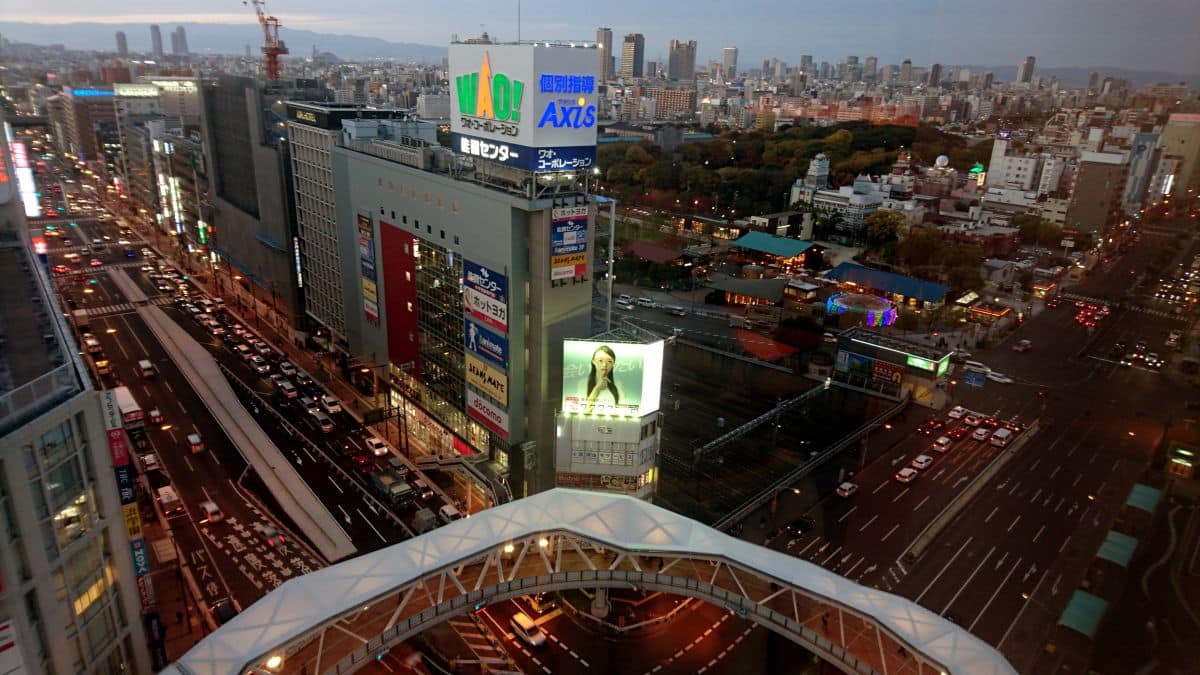
However, Osaka is considered the frontrunner to be Japan’s second capital. It is Japan’s second largest metropolitan area after Tokyo and has been the economic powerhouse of the Kansai Region for many centuries.
But there are challenges to Osaka’s bid. A government seismological assessment has warned that a major Nankai Trough earthquake could leave one-third of Osaka’s land area flooded, raising concerns about whether the city could serve as a reliable backup.
There’s also the fact that Osaka’s corporate base is eroding — several companies have moved out of the city over the years.
But not everyone in Japan is in favour of this move. Many critics argue that the law favours Osaka, which is the home of the Japan Innovation Party (JIP), the junior coalition partner in Prime Minister
Sanae Takaichi’s government.
Notably, the plan for a second capital was included in the coalition agreement signed last October between Takaichi’s Liberal Democratic Party (LDP) and the Japan Innovation Party (JIP).

As Japan Times reported, the JIP hopes the new law will also serve as a boost to its longstanding efforts to pass a referendum that would merge the city’s 24 wards into larger, semiautonomous wards similar to Tokyo. The referendum has failed twice in the past, but the political party hopes that the new law will help change their fortune.
Many also argue that the immediate impact of a second capital would be limited. The main capital isn’t being shift and it’s unclear as to which or how many agencies would move. But in the long-term, it could gradually erode Tokyo’s dominance by redirecting investment and infrastructure.
With inputs from agencies
Now, the passage of the law has led to an intense debate on which city will be Japan’s second capital. Will it be Osaka, Fukuoka or Aichi?
Here’s everything you need to know about this move.
Why is Japan looking for a second capital?
Currently, Tokyo serves as Japan’s capital. It was last Friday that the Japanese government approved a plan to create a “second capital”. The government has pushed for a second capital, citing the need for continuity.
The government believes that by having a second capital, it would be able to ensure governance even if Tokyo was hit by a natural disaster. The Japanese government , according to a
If this were to happen, it could result in a disruption of the workings of the prime minister’s office, parliament and financial institutions in the country. Their argument while proposing the law was that a second capital would take over key political, administrative and economic functions, if and when required.
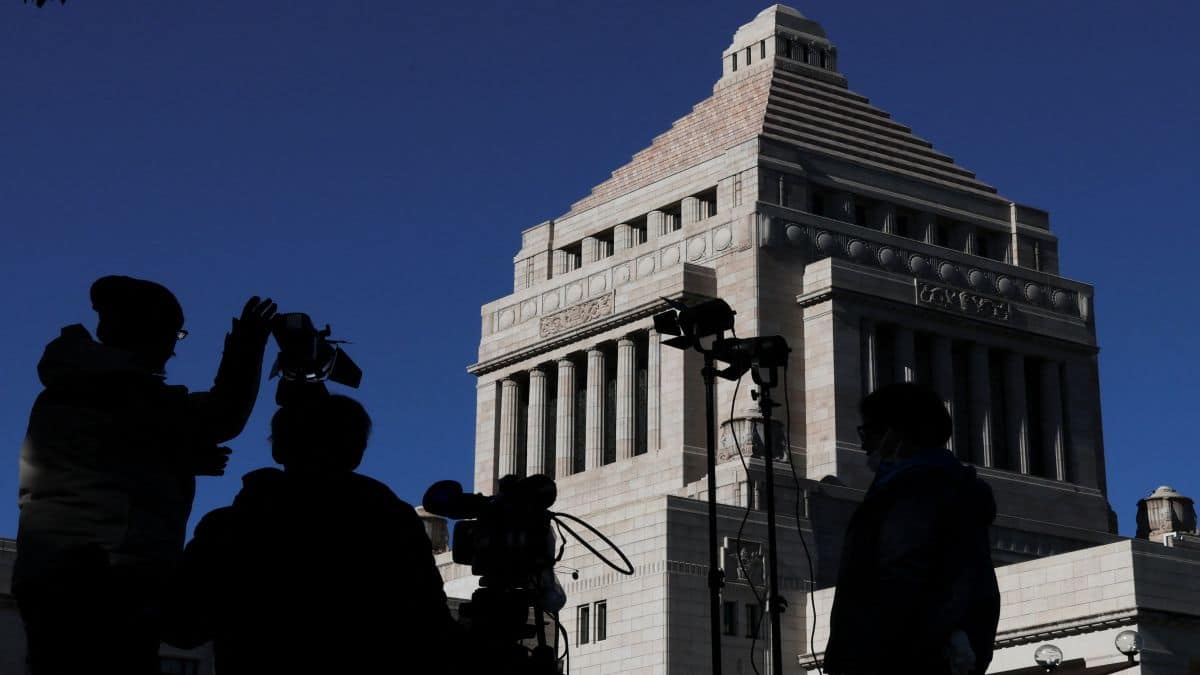
The bill, which creates the framework to designate one more region as a second capital sailed through Japan's Lower House of the National Diet. It only narrowly passed the Upper House. File image/Reuters
The government has also argued that there’s an economic reason for having a second capital. A second capital would correct what the law states is “overconcentration” of Tokyo in Japan’s economy and population. At present, the capital city generates around a fifth of the country’s economic output and houses around 30 per cent of the country’s population.
The law put forth by the government calls for investment in the second capital, which would strengthen its economic position.
Which areas are in the running to be Japan’s second capital?
The law doesn’t specify which city qualifies to be Japan’s second capital — it only establishes a framework under which prefectures can apply. According to the text of the law, to qualify to be a second capital, the region must be less prone to natural disasters. Additionally, it must have sufficient government infrastructure, economic scale, population size and administrative capacity to function as a backup for the current capital.
The governors of Osaka, Fukuoka and Aichi have expressed interest.
“Aichi Prefecture and Nagoya possess all the functions necessary to serve as a second capital. I’m the first in the nation to make a bid,” said Aichi Governor Hideaki Omura. Fukuoka Governor Seitaro Hattori was also quoted as saying last Friday: “We will aim for the designation as ‘all Fukuoka’ by working with municipalities and the local business community.”
Hokkaido Governor Naomichi Suzuki has also advocated for his prefecture, and Sapporo in particular because it’s already familiar to central government bureaucrats.
Osaka is widely considered the leading candidate for second capital due to its size, economic importance and existing infrastructure as Japan’s second-largest metropolitan area. File image/Reuters
“The Hokkaido region, centered on Sapporo, hosts a concentration of national government branch offices. It’s geographically distant from Tokyo, meaning a low risk of a simultaneous disaster impact (such as a quake and tsunami),” Suzuki was quoted by the Japan Times as saying when announcing that the prefecture and Sapporo were already working on a bid to become a secondary capital.
However, Osaka is considered the frontrunner to be Japan’s second capital. It is Japan’s second largest metropolitan area after Tokyo and has been the economic powerhouse of the Kansai Region for many centuries.
But there are challenges to Osaka’s bid. A government seismological assessment has warned that a major Nankai Trough earthquake could leave one-third of Osaka’s land area flooded, raising concerns about whether the city could serve as a reliable backup.
There’s also the fact that Osaka’s corporate base is eroding — several companies have moved out of the city over the years.
Why are some in Japan opposed to the plan?
But not everyone in Japan is in favour of this move. Many critics argue that the law favours Osaka, which is the home of the Japan Innovation Party (JIP), the junior coalition partner in Prime Minister
Notably, the plan for a second capital was included in the coalition agreement signed last October between Takaichi’s Liberal Democratic Party (LDP) and the Japan Innovation Party (JIP).
Leader of Japan's ruling Liberal Democratic Party (LDP) Sanae Takaichi and Hirofumi Yoshimura, leader of the Japan Innovation Party, known as Ishin, pose after signing a document on the coalition deal in Tokyo, Japan. At the time, the plan for a second capital was included in the coalition agreement. File image/Reuters
As Japan Times reported, the JIP hopes the new law will also serve as a boost to its longstanding efforts to pass a referendum that would merge the city’s 24 wards into larger, semiautonomous wards similar to Tokyo. The referendum has failed twice in the past, but the political party hopes that the new law will help change their fortune.
Many also argue that the immediate impact of a second capital would be limited. The main capital isn’t being shift and it’s unclear as to which or how many agencies would move. But in the long-term, it could gradually erode Tokyo’s dominance by redirecting investment and infrastructure.
With inputs from agencies