





What is the story about?
After the shocking US operation in Venezuela, a plane carrying the country's 'captured' President Nicolas Maduro and his wife Cilia Flores, arrived in New York. The plane landed just hours after an overnight US military attack in the Latin American nation's capital that was hailed by US President Donald Trump.
While confirming the news of the operation, Trump lauded the strikes and Maduro's capture as “an assault like people have not seen since World War II” and vowed the US would run the leaderless country. While speaking at a press conference in Mar-a-Lago on Saturday, Trump provided few details after ousting Maduro in an audacious military attack.
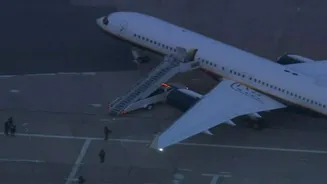
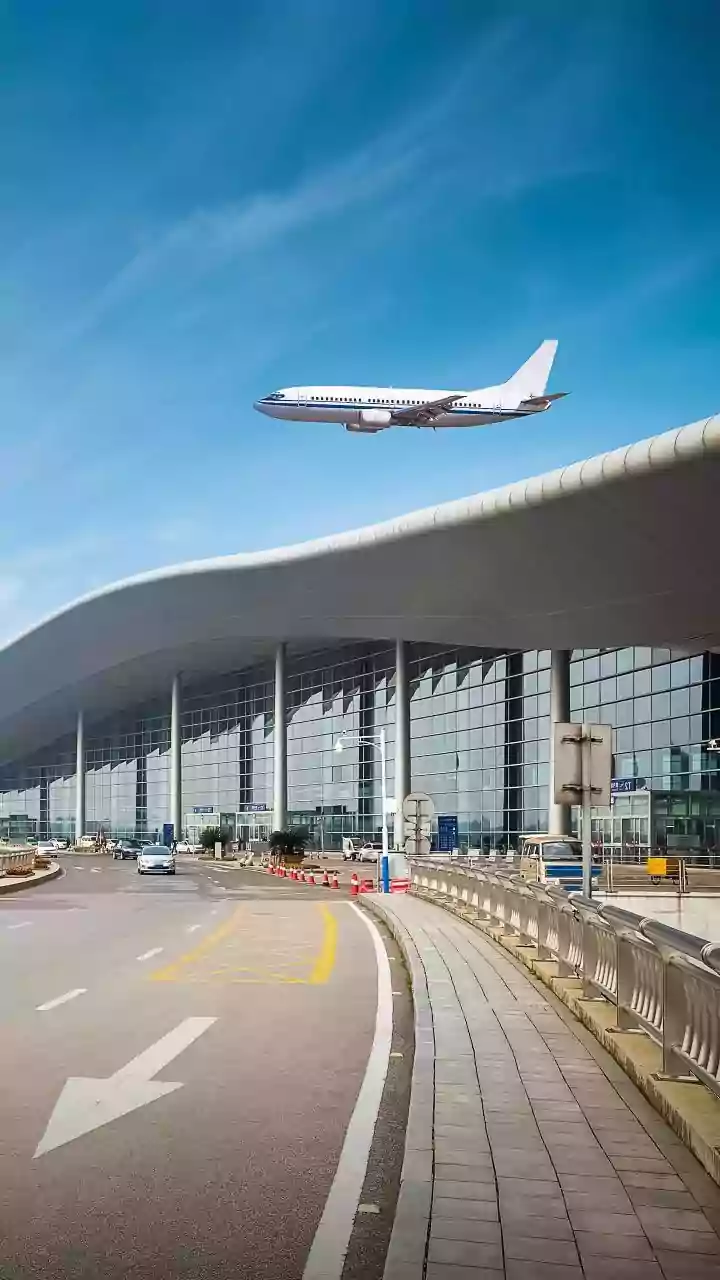
He maintained that the United States would be in control of Venezuela until there was an orderly transition of power. It is pertinent to note that Maduro was in the US custody hours after being seized from his Caracas compound in a US raid, landed at Stewart Air National Guard Base after 4.30 pm (local time) in a white
Boeing 757.
He and his wife were then taken to the Metropolitan Detention Centre in Brooklyn by a helicopter to the city, where he will be processed and transported to the Metropolitan Detention Centre prison, officials told NBC News. The authorities added that the Venezuelan president is set to appear in court by Monday evening.
Leon Fresco, a former deputy assistant attorney general at the US Department of Justice, said that Maduro will be “arraigned in court” either on Monday or Tuesday, “for the crimes of conspiracy and drug trafficking”.
“He will have to either plead guilty or not guilty. Most people plead not guilty in this situation, and then he will be asking for bond, at which time he will most likely be denied because you know he is an international leader and he’s a very likely fugitive if he were to be sent out on bond,” Fresco told Al Jazeera on late Saturday.
The Venezuelan President will then have the option of what’s called a speedy trial, which requires proceedings to be held within 70 days. If he waives off that right, “then the trial could take up to a year or two years, and there’s going to be a lot of jurisdictional arguments,” said Fresco.
The former official also noted that Maduro’s case may have some parallels to the US’s capture and prosecution of Panamanian military leader Manuel Noriega more than three decades ago. It is pertinent to note that Noriega was imprisoned and held in the US until 2010, and later sent to Panama, where he died in jail in 2017.
Fresco said Noriega’s lawyers also took up the issue of jurisdiction, but their arguments were “rejected at the time”. "In Maduro’s case, too, “there’s likely to be a lot of jurisdictional arguments, and we’ll see if the courts will have any more sympathy for those than it had in the Noriega case, or whether it will just apply those precedents and allow the prosecution to continue,” he told Al Jazeera.
While confirming the news of the operation, Trump lauded the strikes and Maduro's capture as “an assault like people have not seen since World War II” and vowed the US would run the leaderless country. While speaking at a press conference in Mar-a-Lago on Saturday, Trump provided few details after ousting Maduro in an audacious military attack.
He maintained that the United States would be in control of Venezuela until there was an orderly transition of power. It is pertinent to note that Maduro was in the US custody hours after being seized from his Caracas compound in a US raid, landed at Stewart Air National Guard Base after 4.30 pm (local time) in a white
He and his wife were then taken to the Metropolitan Detention Centre in Brooklyn by a helicopter to the city, where he will be processed and transported to the Metropolitan Detention Centre prison, officials told NBC News. The authorities added that the Venezuelan president is set to appear in court by Monday evening.
What comes next for Maduro
Leon Fresco, a former deputy assistant attorney general at the US Department of Justice, said that Maduro will be “arraigned in court” either on Monday or Tuesday, “for the crimes of conspiracy and drug trafficking”.
“He will have to either plead guilty or not guilty. Most people plead not guilty in this situation, and then he will be asking for bond, at which time he will most likely be denied because you know he is an international leader and he’s a very likely fugitive if he were to be sent out on bond,” Fresco told Al Jazeera on late Saturday.
The Venezuelan President will then have the option of what’s called a speedy trial, which requires proceedings to be held within 70 days. If he waives off that right, “then the trial could take up to a year or two years, and there’s going to be a lot of jurisdictional arguments,” said Fresco.
The former official also noted that Maduro’s case may have some parallels to the US’s capture and prosecution of Panamanian military leader Manuel Noriega more than three decades ago. It is pertinent to note that Noriega was imprisoned and held in the US until 2010, and later sent to Panama, where he died in jail in 2017.
Fresco said Noriega’s lawyers also took up the issue of jurisdiction, but their arguments were “rejected at the time”. "In Maduro’s case, too, “there’s likely to be a lot of jurisdictional arguments, and we’ll see if the courts will have any more sympathy for those than it had in the Noriega case, or whether it will just apply those precedents and allow the prosecution to continue,” he told Al Jazeera.