








What is the story about?
The supremacy of the US dollar is being quietly tested at home, as a cluster of state lawmakers push to legalise gold and silver for everyday transactions in a bid to shield households from inflation.
Lawmakers in states including Utah, Georgia, Arizona, Oklahoma and Iowa are pushing legislation to allow gold and silver to function as alternative, everyday currency — a move they frame as protection against inflation and long-term erosion in the dollar’s purchasing power.
Utah has already taken a lead position, passing a “transactional gold” law earlier this year that enables systems where residents could potentially spend gold in routine transactions. Elsewhere, efforts are at varying stages. In Georgia, a proposed bill sought to authorise mechanisms allowing consumers to pay using gold and silver, possibly via prepaid debit cards backed by physical metal holdings. While that legislation failed, supporters are preparing to reintroduce it.
Backers insist the effort is not about replacing the dollar but expanding financial choice. They argue that precious metals have historically retained value better than fiat currencies, especially during periods of high inflation.
The timing of the push is significant. Rising geopolitical tensions in West Asia have driven energy price volatility, fuelling concerns about another inflation spike in the United States. Economists expect upcoming consumer price data to reflect one of the sharpest monthly increases since 2022 — a trend that could further strengthen the appeal of gold and silver as a hedge.
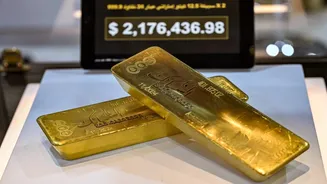
Gold, in particular, has seen strong gains in recent years, supported by demand from investors and central banks as well as the growing popularity of exchange-traded funds that make it easier to hold the asset. The surge in prices has reinforced its reputation as a store of value during uncertain times.
However, hurdles remain. The US dollar continues to be the sole legal tender under federal law, meaning any state-level alternative currency system would need to navigate complex regulatory frameworks. Issues such as taxation of commodity transactions, pricing volatility, and the logistics of gold-backed payment infrastructure pose substantial challenges.
Economists also question the practicality of using gold as a medium of exchange, pointing out that price swings — while attractive to investors — make it less suitable for everyday transactions.
Even so, the movement has gained bipartisan traction in some states, particularly those with libertarian leanings. Advocates argue that enabling gold- and silver-based payments could serve as a safeguard against what they see as long-term risks stemming from federal monetary policy.
Lawmakers in states including Utah, Georgia, Arizona, Oklahoma and Iowa are pushing legislation to allow gold and silver to function as alternative, everyday currency — a move they frame as protection against inflation and long-term erosion in the dollar’s purchasing power.
Utah has already taken a lead position, passing a “transactional gold” law earlier this year that enables systems where residents could potentially spend gold in routine transactions. Elsewhere, efforts are at varying stages. In Georgia, a proposed bill sought to authorise mechanisms allowing consumers to pay using gold and silver, possibly via prepaid debit cards backed by physical metal holdings. While that legislation failed, supporters are preparing to reintroduce it.
Backers insist the effort is not about replacing the dollar but expanding financial choice. They argue that precious metals have historically retained value better than fiat currencies, especially during periods of high inflation.
The timing of the push is significant. Rising geopolitical tensions in West Asia have driven energy price volatility, fuelling concerns about another inflation spike in the United States. Economists expect upcoming consumer price data to reflect one of the sharpest monthly increases since 2022 — a trend that could further strengthen the appeal of gold and silver as a hedge.
Gold, in particular, has seen strong gains in recent years, supported by demand from investors and central banks as well as the growing popularity of exchange-traded funds that make it easier to hold the asset. The surge in prices has reinforced its reputation as a store of value during uncertain times.
However, hurdles remain. The US dollar continues to be the sole legal tender under federal law, meaning any state-level alternative currency system would need to navigate complex regulatory frameworks. Issues such as taxation of commodity transactions, pricing volatility, and the logistics of gold-backed payment infrastructure pose substantial challenges.
Economists also question the practicality of using gold as a medium of exchange, pointing out that price swings — while attractive to investors — make it less suitable for everyday transactions.
Even so, the movement has gained bipartisan traction in some states, particularly those with libertarian leanings. Advocates argue that enabling gold- and silver-based payments could serve as a safeguard against what they see as long-term risks stemming from federal monetary policy.