





What is the story about?
With the chokehold on the Strait of Hormuz, Iran has changed the idea of victory.
Iran is not trying to defeat the United States and Israel military, but it is imposing costs so high that the war becomes unaffordable not just for them but for the world, forcing them to seek a negotiated end to the conflict. And it appears to be working.
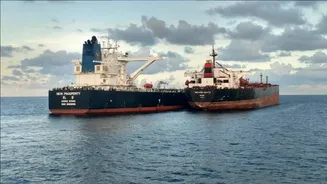
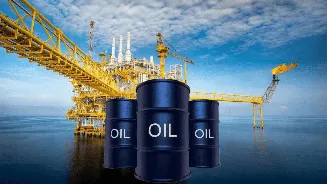
With the closure of the Strait, Iran has cut off the world's 20-25 per cent of oil and gas supply, sending energy prices skyrocketing across the world, creating energy crises in many parts of the world, and putting economies under severe strain. For American partners in the Gulf, the costs continue to mount.
Follow our live coverage of the US-Israeli war on Iran here
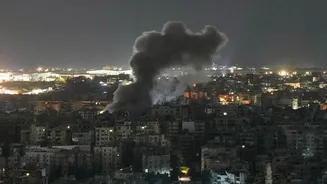
Iranian strikes have damaged Qatar's energy infrastructure such that repairs could take three to five years and annual losses mount to around $20 billion. Kuwait is estimated to have lost around 14 per cent of its GDP in the attacks. Across the region, oil and gas production has fallen massively.
Iran has made the war costly for the entire world, including the United States that's pursuing the war.
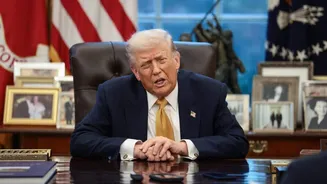
As oil and gas prices have seen the largest spike in decades at a time when economic growth had already plunged, President Donald Trump's approval rating has fallen to an all-time low. Goldman Sachs has said the war has shed off up to 10,000 jobs in the first month. Economists have raised recession odds.
As unemployment was already at its highest point in over decades and economic growth had already stalled , there are concerns that these war-induced crises could push the economy into stagflation. And pressure is mounting on Trump to conclude the war irrespective of achieving the goals he set out with.
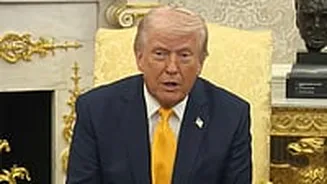
There are signs that such a situation has forced a rethink as Trump has continued to double down on negotiations. He has essentially given up on the regime change agenda and said a deal is imminent.
The longer the war goes, the higher the United States and the rest of the world will bear the costs.
Goldman Sachs has warned that the war's oil shock will shed off 10,000 jobs per month this year, particularly in restaurants, hotels, and retail stores.
ALSO READ — ‘There’s a fundamental misunderstanding about Iran’: Expert breaks down Trump’s premise for West Asia crisis
Iran is counting on a very simple sequence to pressure the world: rising energy prices raise logistics costs, logistics costs raise inflation across the supply chain, and industrial scarcity in fertilisers, food, industrial gases, and petrochemicals affect nearly everything from pharmaceuticals to everyday foodstuff.
In the fifth week of the war, the crisis may become macroeconomic and structural for countries and blocs across the world: plunging them into stagflation, killing jobs, and creating food shortages.
With mid-term elections around the corner that the Republicans are already projected to lose, Trump's domestic pressure has been compounded by the war-inducted economic crisis. He therefore appears to be on a clock to conclude the war.
Iran is not trying to defeat the United States and Israel military, but it is imposing costs so high that the war becomes unaffordable not just for them but for the world, forcing them to seek a negotiated end to the conflict. And it appears to be working.
With the closure of the Strait, Iran has cut off the world's 20-25 per cent of oil and gas supply, sending energy prices skyrocketing across the world, creating energy crises in many parts of the world, and putting economies under severe strain. For American partners in the Gulf, the costs continue to mount.
Follow our live coverage of the US-Israeli war on Iran here
Iranian strikes have damaged Qatar's energy infrastructure such that repairs could take three to five years and annual losses mount to around $20 billion. Kuwait is estimated to have lost around 14 per cent of its GDP in the attacks. Across the region, oil and gas production has fallen massively.
Iran makes war costly for US & rest of the world
Iran has made the war costly for the entire world, including the United States that's pursuing the war.
As oil and gas prices have seen the largest spike in decades at a time when economic growth had already plunged, President Donald Trump's approval rating has fallen to an all-time low. Goldman Sachs has said the war has shed off up to 10,000 jobs in the first month. Economists have raised recession odds.
As unemployment was already at its highest point in over decades and economic growth had already stalled , there are concerns that these war-induced crises could push the economy into stagflation. And pressure is mounting on Trump to conclude the war irrespective of achieving the goals he set out with.
There are signs that such a situation has forced a rethink as Trump has continued to double down on negotiations. He has essentially given up on the regime change agenda and said a deal is imminent.
Trump is in a race against time
The longer the war goes, the higher the United States and the rest of the world will bear the costs.
Goldman Sachs has warned that the war's oil shock will shed off 10,000 jobs per month this year, particularly in restaurants, hotels, and retail stores.
ALSO READ — ‘There’s a fundamental misunderstanding about Iran’: Expert breaks down Trump’s premise for West Asia crisis
Iran is counting on a very simple sequence to pressure the world: rising energy prices raise logistics costs, logistics costs raise inflation across the supply chain, and industrial scarcity in fertilisers, food, industrial gases, and petrochemicals affect nearly everything from pharmaceuticals to everyday foodstuff.
In the fifth week of the war, the crisis may become macroeconomic and structural for countries and blocs across the world: plunging them into stagflation, killing jobs, and creating food shortages.
With mid-term elections around the corner that the Republicans are already projected to lose, Trump's domestic pressure has been compounded by the war-inducted economic crisis. He therefore appears to be on a clock to conclude the war.