




What is the story about?
OpenAI on Friday said that it will start testing advertisements in ChatGPT to some US users in the coming weeks, as the widely evolving AI chatbot seeks to increase its revenue to cover its soaring costs and fund the high costs of the developing technology.
OpenAI said that the ads will be tested with users on the company’s free tier and the lower-priced Go plan that is expanding globally.
The ads will initially appear in the United States for free and lower-tier subscribers, the company said in a blog post outlining its long-anticipated move. Premium Pro and Enterprise subscribers will remain ad-free.
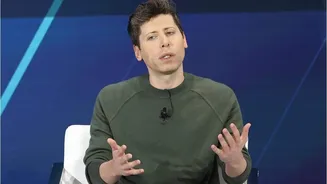
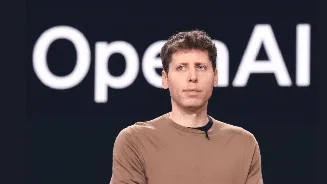
CEO of OpenAI in a X post said, “We are starting to test ads in ChatGPT free and Go (new $8/month option) tiers.”
Users on the more expensive Plus, Pro, Business and Enterprise tiers will not have ads. OpenAI also said that advertising would not influence ChatGPT's outputs and that user conversations would not be shared with marketers.
“Here are our principles. Most importantly, we will not accept money to influence the answer ChatGPT gives you, and we keep your conversations private from advertisers,” he added.
Since the launch of ChatGPT in 2022, its valuation has soared to $500 billion in funding rounds higher than any private company.
With its move, OpenAI brings its business model closer to tech giants Google and Meta, which have built advertising empires on the back of their free-to-use services.
"Ads aren't a distraction from the gen AI race; they're how OpenAI stays in it," said Jeremy Goldman, an analyst at Emarketer.
"If ChatGPT turns on ads, OpenAI is admitting something simple and consequential: the race isn't just about model quality anymore; it's about monetizing attention without poisoning trust," he added.
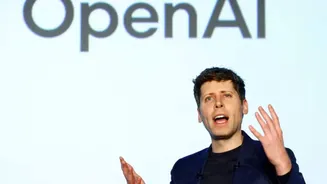
OpenAI Chief Executive Officer Sam Altman has long expressed his dislike for advertising, citing concerns that ads could create distrust about ChatGPT's content.
Analysts said that ads could unlock a significant revenue stream from ChatGPT's 800 million weekly active users, but the move could irk some customers and hurt trust in the product.
If ads feel clumsy or opportunistic, users can easily switch to rival chatbots such as Google's Gemini or Anthropic's Claude, Emarketer analyst Jeremy Goldman said.
OpenAI also said that it will not show ads to users under 18. The company also plans to block ads from appearing in health and politics.
In the coming weeks, we plan to start testing ads in ChatGPT free and Go tiers.
We’re sharing our principles early on how we’ll approach ads–guided by putting user trust and transparency first as we work to make AI accessible to everyone.
What matters most:
- Responses in… pic.twitter.com/3UQJsdriYR
— OpenAI (@OpenAI) January 16, 2026
OpenAI said that the ads will be tested with users on the company’s free tier and the lower-priced Go plan that is expanding globally.
Ads to start in US
The ads will initially appear in the United States for free and lower-tier subscribers, the company said in a blog post outlining its long-anticipated move. Premium Pro and Enterprise subscribers will remain ad-free.
CEO of OpenAI in a X post said, “We are starting to test ads in ChatGPT free and Go (new $8/month option) tiers.”
We are starting to test ads in ChatGPT free and Go (new $8/month option) tiers.
Here are our principles. Most importantly, we will not accept money to influence the answer ChatGPT gives you, and we keep your conversations private from advertisers.
It is clear to us that a lot… https://t.co/f9Dv53rWU7
— Sam Altman (@sama) January 16, 2026
Premium users to remain ad free
Users on the more expensive Plus, Pro, Business and Enterprise tiers will not have ads. OpenAI also said that advertising would not influence ChatGPT's outputs and that user conversations would not be shared with marketers.
“Here are our principles. Most importantly, we will not accept money to influence the answer ChatGPT gives you, and we keep your conversations private from advertisers,” he added.
Since the launch of ChatGPT in 2022, its valuation has soared to $500 billion in funding rounds higher than any private company.
Ads aren't a distraction
With its move, OpenAI brings its business model closer to tech giants Google and Meta, which have built advertising empires on the back of their free-to-use services.
"Ads aren't a distraction from the gen AI race; they're how OpenAI stays in it," said Jeremy Goldman, an analyst at Emarketer.
"If ChatGPT turns on ads, OpenAI is admitting something simple and consequential: the race isn't just about model quality anymore; it's about monetizing attention without poisoning trust," he added.
OpenAI Chief Executive Officer Sam Altman has long expressed his dislike for advertising, citing concerns that ads could create distrust about ChatGPT's content.
Analysts said that ads could unlock a significant revenue stream from ChatGPT's 800 million weekly active users, but the move could irk some customers and hurt trust in the product.
If ads feel clumsy or opportunistic, users can easily switch to rival chatbots such as Google's Gemini or Anthropic's Claude, Emarketer analyst Jeremy Goldman said.
OpenAI also said that it will not show ads to users under 18. The company also plans to block ads from appearing in health and politics.