



What is the story about?
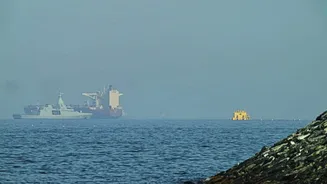
Iran’s foreign minister Abbas Araghchi on Monday warned that there is “no military solution to a political crisis,” responding to US claims that its forces had shot down Iranian “fast boats” in the Strait of Hormuz.
His remarks came after US President Donald Trump said that American forces had destroyed several Iranian vessels during ongoing tensions in the region.
Referring to the latest incidents, Araghchi said that events in the Strait of Hormuz show that military action cannot resolve deeper political disputes. He also cautioned that the US and the UAE risk being drawn into a “quagmire” if the situation continues to escalate.
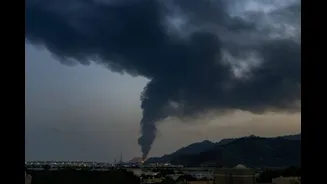
Shortly after the statement, Iran launched a series of missile and drone strikes targeting the Emirates, while also attacking commercial shipping routes in and around the strait.
The escalation is being seen as the most serious since a fragile ceasefire between Tehran and Washington came into effect nearly a month ago.
In a post on X, Araghchi said that the US should be “wary of being dragged back into a quagmire by ill-wishers,” adding that the UAE should also exercise caution. His remarks appeared to directly follow Trump’s claims about US military action against Iranian boats.
He also pointed to ongoing diplomatic efforts, saying talks were “making progress with Pakistan’s gracious effort,” suggesting that negotiations are still underway despite rising tensions.
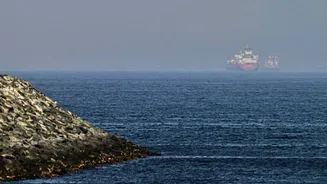
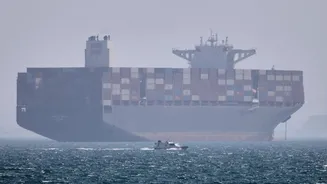
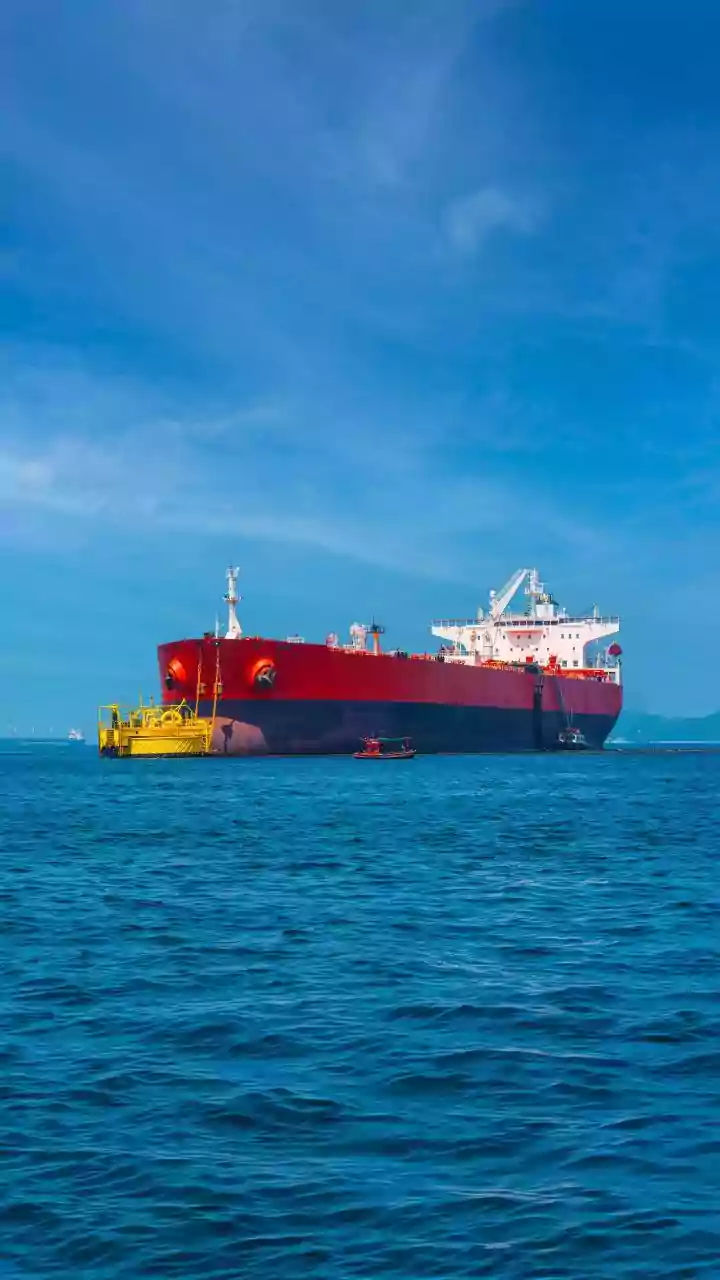
Iran’s missile and drone strikes targeted key locations in the UAE and disrupted commercial shipping in nearby waters. The Strait of Hormuz, through which around 20 per cent of the world’s oil supply passes, has once again become a flashpoint.
The situation has further deteriorated after US and Iranian forces reportedly exchanged fire in the strait, raising fresh doubts over whether the ceasefire will hold.
Araghchi also dismissed Washington’s “Project Freedom” plan, which aims to escort merchant ships through the strait. Calling it “Project Deadlock,” he signalled Tehran’s opposition to increased US naval involvement in the region.
The US initiative to guide ships has already heightened tensions, with Iran warning it would respond to any foreign military presence it sees as a threat.
With both sides engaging in competing naval strategies and no clear sign of de-escalation, the situation in the Gulf remains volatile.
The coming days are likely to be crucial in determining whether diplomatic channels can prevent a wider conflict or whether the fragile ceasefire will collapse.
His remarks came after US President Donald Trump said that American forces had destroyed several Iranian vessels during ongoing tensions in the region.
Referring to the latest incidents, Araghchi said that events in the Strait of Hormuz show that military action cannot resolve deeper political disputes. He also cautioned that the US and the UAE risk being drawn into a “quagmire” if the situation continues to escalate.
Events in Hormuz make clear that there's no military solution to a political crisis.
As talks are making progress with Pakistan's gracious effort, the U.S. should be wary of being dragged back into quagmire by ill-wishers. So should the UAE.
Project Freedom is Project Deadlock.
— Seyed Abbas Araghchi (@araghchi) May 4, 2026
Shortly after the statement, Iran launched a series of missile and drone strikes targeting the Emirates, while also attacking commercial shipping routes in and around the strait.
The escalation is being seen as the most serious since a fragile ceasefire between Tehran and Washington came into effect nearly a month ago.
Iran warns against deeper conflict
In a post on X, Araghchi said that the US should be “wary of being dragged back into a quagmire by ill-wishers,” adding that the UAE should also exercise caution. His remarks appeared to directly follow Trump’s claims about US military action against Iranian boats.
He also pointed to ongoing diplomatic efforts, saying talks were “making progress with Pakistan’s gracious effort,” suggesting that negotiations are still underway despite rising tensions.
Strikes raise ceasefire concerns
Iran’s missile and drone strikes targeted key locations in the UAE and disrupted commercial shipping in nearby waters. The Strait of Hormuz, through which around 20 per cent of the world’s oil supply passes, has once again become a flashpoint.
The situation has further deteriorated after US and Iranian forces reportedly exchanged fire in the strait, raising fresh doubts over whether the ceasefire will hold.
Iran rejects US ‘Project Freedom’
Araghchi also dismissed Washington’s “Project Freedom” plan, which aims to escort merchant ships through the strait. Calling it “Project Deadlock,” he signalled Tehran’s opposition to increased US naval involvement in the region.
The US initiative to guide ships has already heightened tensions, with Iran warning it would respond to any foreign military presence it sees as a threat.
With both sides engaging in competing naval strategies and no clear sign of de-escalation, the situation in the Gulf remains volatile.
The coming days are likely to be crucial in determining whether diplomatic channels can prevent a wider conflict or whether the fragile ceasefire will collapse.