






What is the story about?
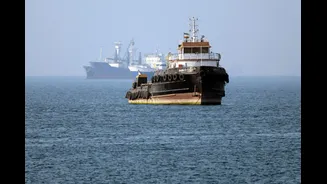
As renewed hostilities entered their sixth day, Iran on Thursday declared that the United States must comply with the memorandum of understanding (MoU) and accept Iranian rules governing the Strait of Hormuz for the waterway to be opened.
In a statement, Iranian Army Spokesperson Brigadier General Mohammad Akraminia said that “the only way to reopen it is for the United States to comply with the provisions of the memorandum of understanding signed at the Islamabad meeting and to cease its malicious activities, allowing Iranian laws to prevail”.
Akraminia further said that control of the Strait was a “public and national demand” and non-negotiable.
“The armed forces of the Islamic Republic of Iran have stood powerfully against the United States, and until the United States accepts the Iranian legal system and a mechanism based on Iranian will governs the Strait of Hormuz, this strait will remain closed,” said Akraminia.
Follow our live coverage of the US-Iran war here
Since Presidents Donald Trump and Massoud Pezeshkian signed the MoU, Iran has maintained that the document allows it to administer the Strait as it sees fit and that the United States should not intervene. Indeed, the language of the agreement appears to support Iran's interpretation.
Paragraph 5 of the MoU states that Iran will consult Oman to “define the future administration and maritime services in the Strait of Hormuz, in discussion with other Persian Gulf littoral states in line with the applicable international law and the sovereign rights of coastal states of the Strait of Hormuz”. Iran has argued that the clause explicitly grants it sovereign rights over the strait and allows it to govern the waterway as it deems fit.
While Akraminia's remarks may at first glance appear belligerent, they also indicate that Iran remains committed to the MoU already signed by Trump and Pezeshkian and is willing to seek a diplomatic resolution to the current violence on the basis of that agreement.
The comments are in line with a statement made on Wednesday by Iranian chief negotiator Mohammad Bagher Ghalibaf, who suggested that the door to diplomacy may still be open.
Ghalibaf said that “we must also use the tools of diplomacy and negotiations to achieve and realise our national interests”, adding that “negotiations at this stage do not amount to capitulation”.
Whether the outreach by Ghalibaf and the Iranian military, along with Foreign Minister Abbas Araghchi's visit to Qatar, leads to a breakthrough remains to be seen. But, as of Thursday morning, the two sides remained locked in a cycle of tit-for-tat strikes.
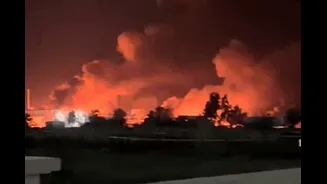
In the latest round, the US military said it had targeted Iranian command centres, air defence sites, missile and drone capabilities, and coastal surveillance facilities in an effort to further degrade Tehran's ability to threaten shipping through the strait. While it did not disclose the locations of the strikes, Iranian state media reported that Semnan Airport, Khondab, Qeshm Island, and the Sirik area in Hormozgan Province had come under attack.
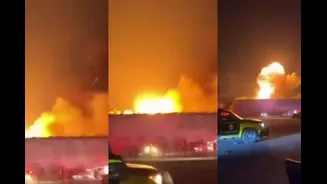
Iranian retaliatory strikes continued into the early hours of Thursday, with state media reporting that the military targeted Al-Azraq Air Base in Jordan, hitting a radar site, communications equipment, and fuel tanks used by US forces, and Ali Al Salem Air Base in Kuwait, where it destroyed an early-warning radar.
In a statement, Iranian Army Spokesperson Brigadier General Mohammad Akraminia said that “the only way to reopen it is for the United States to comply with the provisions of the memorandum of understanding signed at the Islamabad meeting and to cease its malicious activities, allowing Iranian laws to prevail”.
Akraminia further said that control of the Strait was a “public and national demand” and non-negotiable.
“The armed forces of the Islamic Republic of Iran have stood powerfully against the United States, and until the United States accepts the Iranian legal system and a mechanism based on Iranian will governs the Strait of Hormuz, this strait will remain closed,” said Akraminia.
Follow our live coverage of the US-Iran war here
Since Presidents Donald Trump and Massoud Pezeshkian signed the MoU, Iran has maintained that the document allows it to administer the Strait as it sees fit and that the United States should not intervene. Indeed, the language of the agreement appears to support Iran's interpretation.
Paragraph 5 of the MoU states that Iran will consult Oman to “define the future administration and maritime services in the Strait of Hormuz, in discussion with other Persian Gulf littoral states in line with the applicable international law and the sovereign rights of coastal states of the Strait of Hormuz”. Iran has argued that the clause explicitly grants it sovereign rights over the strait and allows it to govern the waterway as it deems fit.
Iran extends olive branch to US and neighbours
While Akraminia's remarks may at first glance appear belligerent, they also indicate that Iran remains committed to the MoU already signed by Trump and Pezeshkian and is willing to seek a diplomatic resolution to the current violence on the basis of that agreement.
The comments are in line with a statement made on Wednesday by Iranian chief negotiator Mohammad Bagher Ghalibaf, who suggested that the door to diplomacy may still be open.
Ghalibaf said that “we must also use the tools of diplomacy and negotiations to achieve and realise our national interests”, adding that “negotiations at this stage do not amount to capitulation”.
Whether the outreach by Ghalibaf and the Iranian military, along with Foreign Minister Abbas Araghchi's visit to Qatar, leads to a breakthrough remains to be seen. But, as of Thursday morning, the two sides remained locked in a cycle of tit-for-tat strikes.
In the latest round, the US military said it had targeted Iranian command centres, air defence sites, missile and drone capabilities, and coastal surveillance facilities in an effort to further degrade Tehran's ability to threaten shipping through the strait. While it did not disclose the locations of the strikes, Iranian state media reported that Semnan Airport, Khondab, Qeshm Island, and the Sirik area in Hormozgan Province had come under attack.
Iranian retaliatory strikes continued into the early hours of Thursday, with state media reporting that the military targeted Al-Azraq Air Base in Jordan, hitting a radar site, communications equipment, and fuel tanks used by US forces, and Ali Al Salem Air Base in Kuwait, where it destroyed an early-warning radar.