






What is the story about?
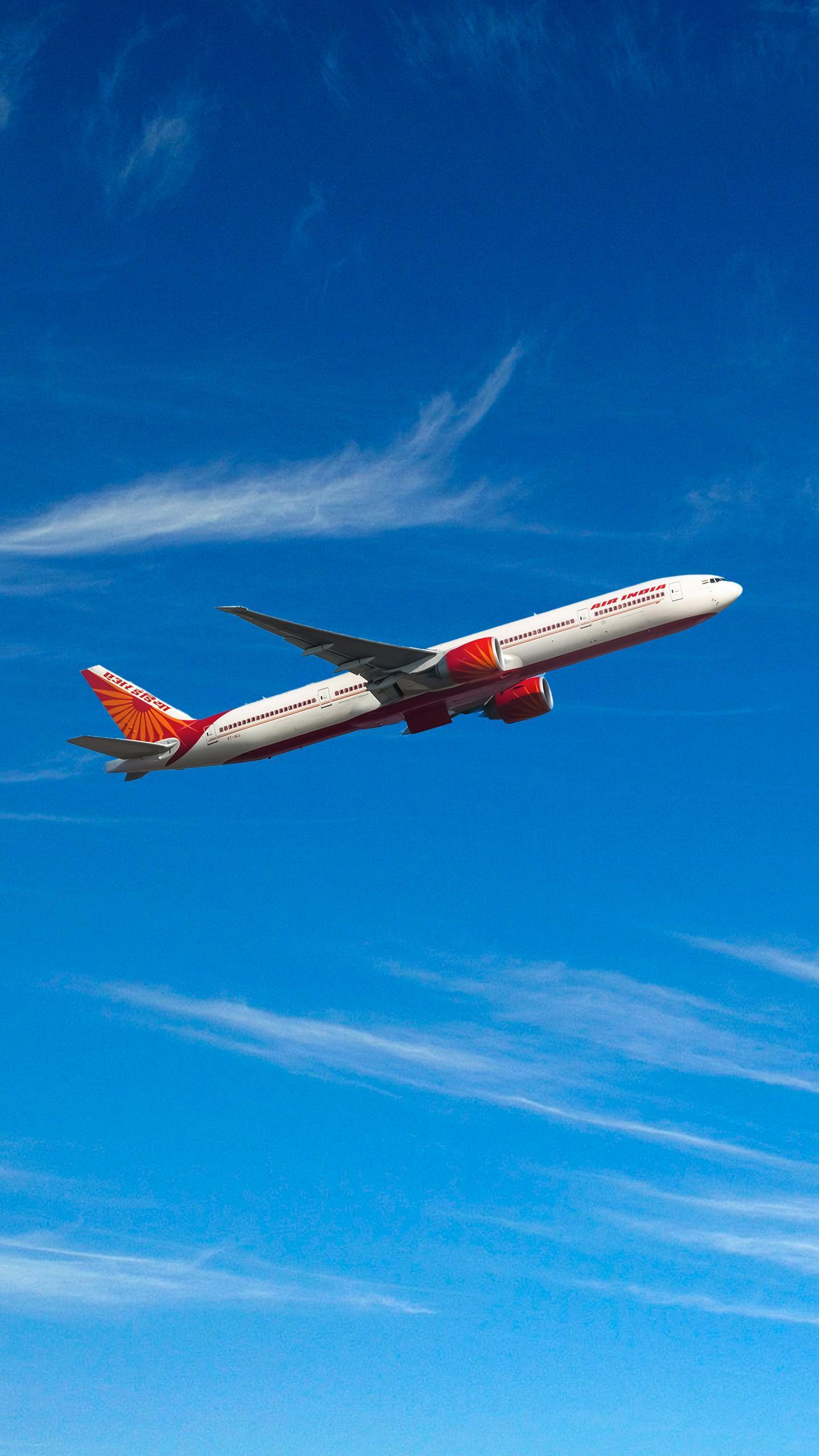
Air India on Wednesday announced that it will increase fuel surcharges in a phased manner due to the crisis in West Asia, which has driven up oil prices.
Saying it regrets taking the step, the airline said the new rate slab will be implemented in three phases. Air India said that the measure is necessary to keep operations running, adding that they are "unavoidable."
"Absent such fuel surcharges, it is likely that some flights would be unable to cover operating costs and would have to be cancelled," it said.
For flights to the Middle East, the fuel surcharge will be set at $10. For routes to Africa, it will increase by $30 to $90, while flights to Southeast Asia will see a $20 rise, bringing the surcharge to $60.
Air India said the surcharges will be reviewed regularly and adjusted depending on how the situation develops.
Meanwhile, Air India Express, the Tata Group–run airline’s low-cost subsidiary, will not impose any fuel surcharge on its flights for the time being, offering some relief to passengers.
In a statement, the airline said, "Since early March 2026, aviation turbine fuel (ATF), which accounts for nearly 40 per cent of an airline's operating costs, has seen significant price escalation due to supply interruptions. In India, this pressure is amplified by high excise duty and VAT on ATF in major metro cities such as Delhi and Mumbai, magnifying cost the impact and placing substantial strain on airline operating economics."
Jet fuel has long been one of the most volatile input costs for airlines. Since India produces only limited amounts of crude oil domestically, carriers remain highly exposed to fluctuations in global oil prices.
The Iran–US conflict in the Middle East has also disrupted natural gas supplies worldwide. The Strait of Hormuz has remained part of the conflict zone for more than two weeks, leaving over 750 cargo ships stranded at major ports in the region.
India meets about 50 per cent of its natural gas demand through imports, with roughly 20 per cent of those imports coming from Qatar.
Saying it regrets taking the step, the airline said the new rate slab will be implemented in three phases. Air India said that the measure is necessary to keep operations running, adding that they are "unavoidable."
"Absent such fuel surcharges, it is likely that some flights would be unable to cover operating costs and would have to be cancelled," it said.
What are the new rates?
For flights to the Middle East, the fuel surcharge will be set at $10. For routes to Africa, it will increase by $30 to $90, while flights to Southeast Asia will see a $20 rise, bringing the surcharge to $60.
Air India said the surcharges will be reviewed regularly and adjusted depending on how the situation develops.
Meanwhile, Air India Express, the Tata Group–run airline’s low-cost subsidiary, will not impose any fuel surcharge on its flights for the time being, offering some relief to passengers.
In a statement, the airline said, "Since early March 2026, aviation turbine fuel (ATF), which accounts for nearly 40 per cent of an airline's operating costs, has seen significant price escalation due to supply interruptions. In India, this pressure is amplified by high excise duty and VAT on ATF in major metro cities such as Delhi and Mumbai, magnifying cost the impact and placing substantial strain on airline operating economics."
Jet fuel has long been one of the most volatile input costs for airlines. Since India produces only limited amounts of crude oil domestically, carriers remain highly exposed to fluctuations in global oil prices.
The Iran–US conflict in the Middle East has also disrupted natural gas supplies worldwide. The Strait of Hormuz has remained part of the conflict zone for more than two weeks, leaving over 750 cargo ships stranded at major ports in the region.
India meets about 50 per cent of its natural gas demand through imports, with roughly 20 per cent of those imports coming from Qatar.